UC HEALTH LINE: Collaborative Programs Help Parents, Children Manage Divorce

Now help is available through a growing number of collaborative law programs designed to address divorce-related conflict and family issues outside the courtroom in a holistic manner.
The programs involve teams of lawyers who work directly with couples to address legal and financial needs in a cooperative and collaborative manner. More and more, they include mental health professionals who can help parents manage their emotions and keep their needs and those of their children in perspective.
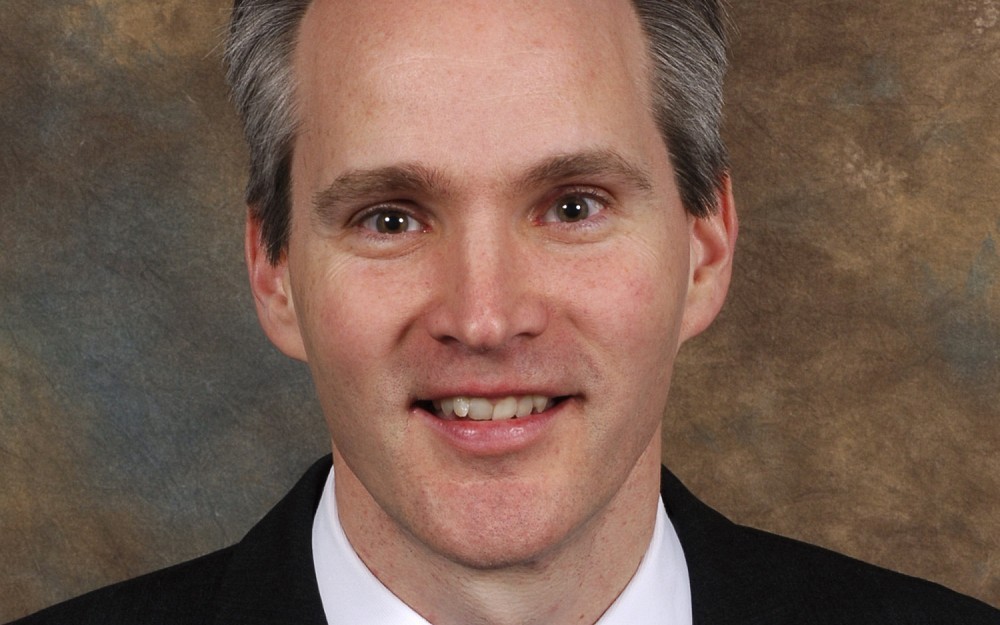
Pete Dillon, PhD, and Patricia Herman, PhD, both of UCs department of psychiatry, are part of the Cincinnati Academy of Collaborative Professionals, offering counseling before, during and after divorce. They emphasize that children should never feel or be in the middle of parental conflict.
Parents who do the most damage to children during their divorce tend to get this confused, says Dillon. They never say to themselves, I dont care how much this hurts the kids, I need to vent about my ex. Instead, they convince themselves that the children are better off if they know how mean or untrustworthy the other parent is.
Dillon says parents dont have to be great friends after divorce, and they shouldnt necessarily strive to be. While both parties need good advice from attorneys, avoiding court is best.
Instead of trying to be friends, Dillon says, parents should think of their divorce as a business partnership. For example, they could schedule monthly lunch meetings to discuss the business of school, medical issues and expenses, among other things.
Many times, says Herman, clients are referred to them by collaborative law attorneys. But sometimes they identify people who might benefit from collaborative law.
The people we counsel are not always aware of this divorce litigation alternative, says Herman Were able to tell them more about it so they can decide if its the best option for them.
They seek to enlighten other physicians and health care providers about the collaborative law process so they can inform their patients.
So far, say Dillon and Herman, the addition of mental health experts to collaborative law programs has been successful in other cities. And although the cost of collaborative law is comparable to a litigated divorce, the process can be much more time-efficient.
And the emotional benefits are invaluable, says Dillon. Healing really begins at the beginning of the process, not once the divorce is final.
For more information, call (513) 475-8710 or visit www.collaborativelaw.com.
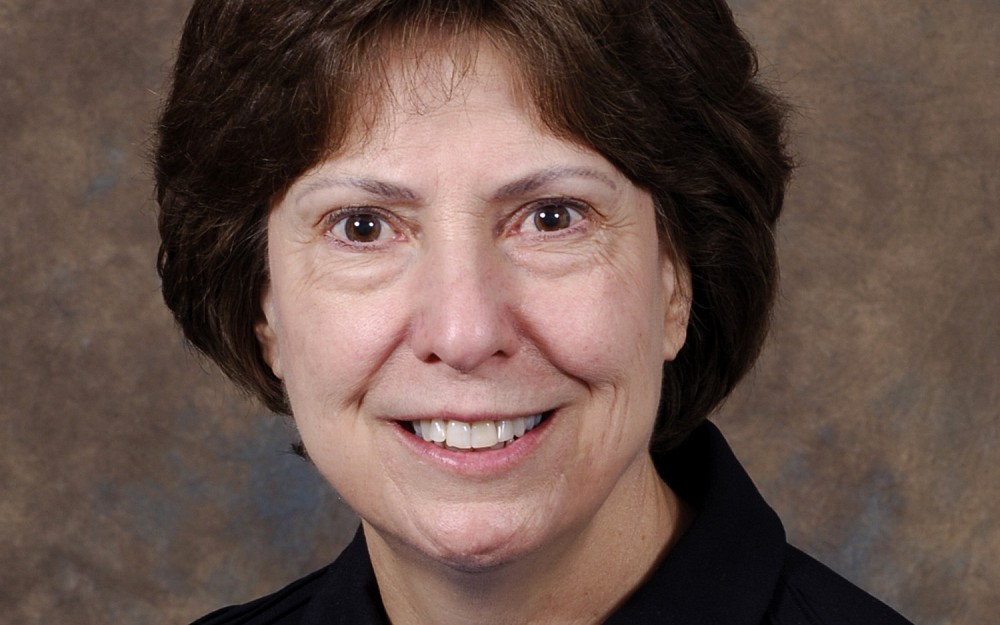
Patricia Herman, PhD
Tags
Related Stories
UC radiation oncologist speaks with Local 12 news about clinical trial for head and neck cancer treatment
August 10, 2026

Dr. Sara Medek, a UC radiation oncology professor, speaks with Local 12 news about a new clinical trial aimed at reducing radiation in certain areas while still treating cancer effectively but with fewer painful side effects.
Cancer Center director charts future based on collaboration, AI
August 10, 2026

David Gius, MD, PhD, was featured in a Cincinnati Business Courier article and The Cancer Letter’s “The Directors" podcast discussing his priorities and goals as he recently took the helm as director of the University of Cincinnati Cancer Center.
Bidirectional link between oral, kidney health calls for patient education, access
August 4, 2026

Despite growing awareness of the connection between oral health and chronic health conditions, patient awareness and access to dental care remain limited, according to University of Cincinnati experts who recently spoke with Healio | Nephrology News & Issues.