Knocking Out Cell Receptor May Help Block Fat Deposits in Tissues, Prevent Weight Gain

CincinnatiUniversity of Cincinnati (UC) pathologists have identified a new molecular target that one day may help scientists develop drugs to reduce fat transport to adipocytes (fat cells) in the body and prevent obesity and related disorders, like diabetes.
Detailed in the Oct. 18 online edition and the November 2007 print issue of the Journal of Clinical Investigation, the findings about a specific cell receptor, known as the adipocyte LDL receptor-related protein 1 (LRP1), provide important clues about the underlying biological mechanisms that control fat transport in the body.
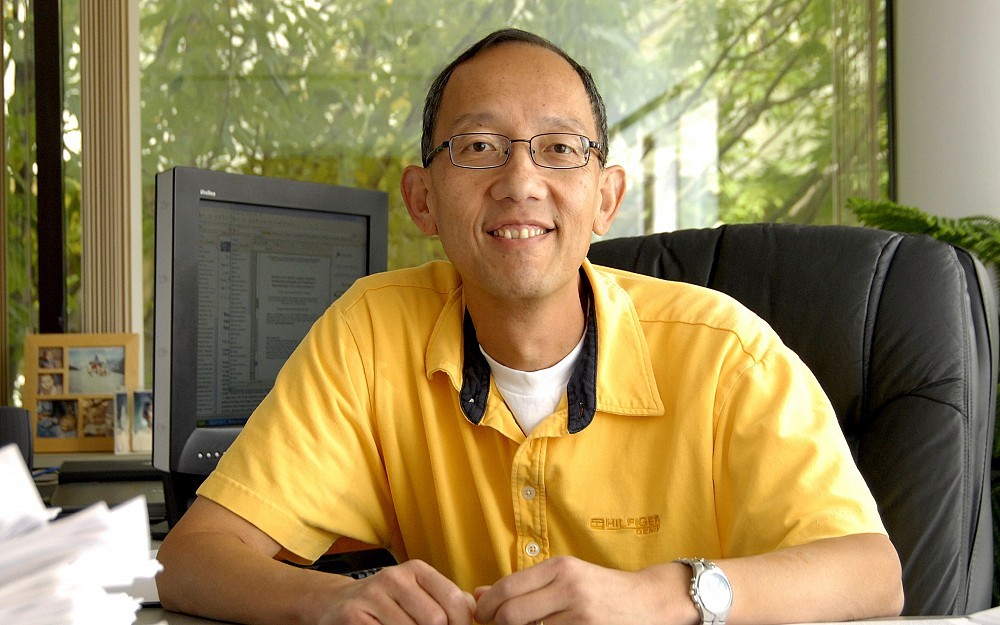
Using genetically altered mice, David Hui, PhD, and his team demonstrated that knocking out the LRP1 in fat cells has a direct impact on how many lipids (fats and fat-like substances) are transferred and deposited to different tissues. Hui says the experimental mice gained less weight, stored less fat, tolerated glucose better and expended more energy (due to increased muscle activity) when compared with a control group.
This receptor is expressed in numerous tissues throughout the bodyincluding the heart, muscles, liver and vascular wallbut its specific functions in the different tissues are still relatively unknown, says Hui, corresponding author of the study and professor of pathology and laboratory medicine at UC. Our study has shown that this molecule directly impacts the rate of fat transport in the body, so with further study it could be a new target for drugs aimed at controlling obesity.
For the study, two independent groups of LPR1-knockout mice were developed: one studied by Hui and his team at UC, the second monitored by collaborator and co-senior author Joachim Herz, PhD, at the University of Texas Southwestern Medical Center.
Researchers discovered that when the LRP1 receptor was active, adipocytes absorbed more fat and triggered a series of cell-signaling activities that caused the body to increase overall fat storage. Although both groups of mice were fed the same low-fat diet, the LRP1 knockout mice stored less fat and experienced no significant weight gain.
This shows that LRP1 is a critical regulator of lipid absorption in fat cells. Functional disruption leads to fewer lipids being absorbed into the cells and transported throughout the body, explains Susanna Hofmann, first author of the study and pathology research instructor at UC. Preventing these interactions in our model prevented the onset of obesity and diabetes.
Because the genetically altered mice had smaller fat stores to provide warmth, muscular activity naturally increased to raise body temperature and may have also contributed to the lack of weight gain, Hui adds.
Prevailing scientific knowledge says that dietary factorsprimarily consumption of triglyceride-rich foods such as fried foodscontribute to obesity and diabetes. When energy intake surpasses energy expenditure, excess calories are deposited as fat in adipose tissue and cause people to gain weight.
According to Centers for Disease Control and Prevention, up to 33 percent of American adults between the age of 20 and 74 are overweight or obese, primarily due to chronic consumption of diets high in fats and carbohydrates and a lack of exercise. This has led to increased rates of Type 2 diabetes, coronary artery disease and other health complications.
Coauthors of this National Institutes of Health-funded study include UCs Todd Greer, Erin Grant, Lauren Wancata, Andrew Thomas, Joshua Basford, Dean Gilham, Matthias Tschop and Diego Perez-Tilve. Li Zhou of the University of Texas Southwestern Medical Center also participated in this research.
Tags
Related Stories
UC radiation oncologist speaks with Local 12 news about clinical trial for head and neck cancer treatment
August 10, 2026

Dr. Sara Medek, a UC radiation oncology professor, speaks with Local 12 news about a new clinical trial aimed at reducing radiation in certain areas while still treating cancer effectively but with fewer painful side effects.
Cancer Center director charts future based on collaboration, AI
August 10, 2026

David Gius, MD, PhD, was featured in a Cincinnati Business Courier article and The Cancer Letter’s “The Directors" podcast discussing his priorities and goals as he recently took the helm as director of the University of Cincinnati Cancer Center.
Bidirectional link between oral, kidney health calls for patient education, access
August 4, 2026

Despite growing awareness of the connection between oral health and chronic health conditions, patient awareness and access to dental care remain limited, according to University of Cincinnati experts who recently spoke with Healio | Nephrology News & Issues.