UC HEALTH LINE: Does What You Eat Affect Your Fertility?

CINCINNATIInfertility affects one in seven couples and sometimes the cause can not be medically explained. Could something as simple as what a woman eats increase her chances of becoming pregnant?
Currently, there isnt scientific evidence that clearly demonstrates a womans diet affects fertility, says University of Cincinnati (UC) infertility specialist Michael Thomas, MD.
Researchers did recently release dietary guidelines based on information they collected from surveys of women trying to get pregnant, Thomas says, but what was missing from the study is that it was not tested on infertile women.
Its hard to say whether specific dietary guidelines can truly help a women get pregnant unless they are tested on infertile women, he says.
Thomas notes, however, that there are research-based dietary guidelines that help keep people generally healthy.
Regardless if a woman is trying to get pregnant or not, everyone can follow these basic dietary guidelines for good health, says Thomas.
The guidelines include:
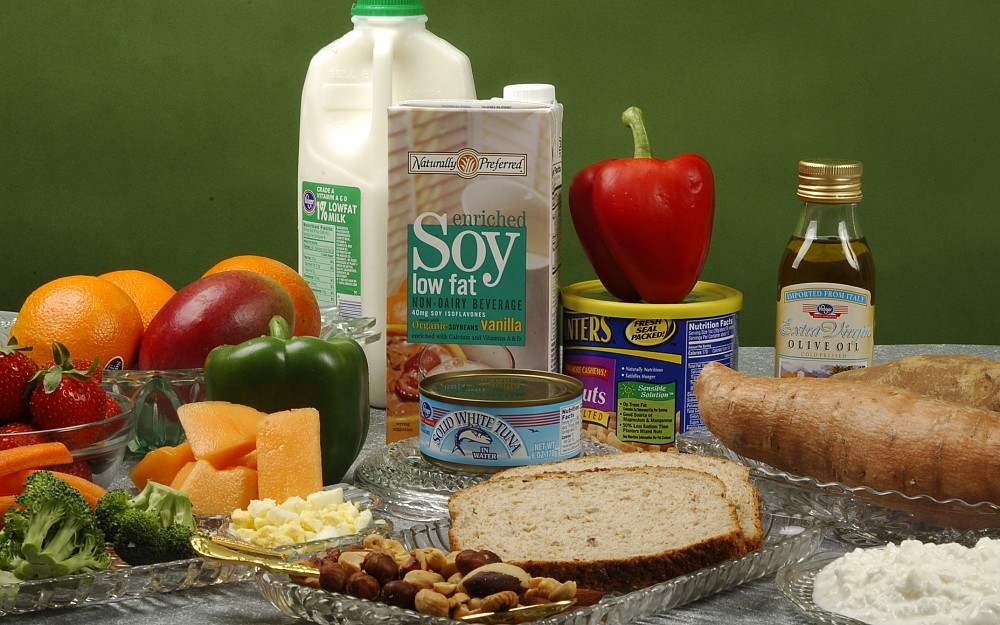
- Eat a diet high in vegetables and fruitsthey contain vitamins, minerals and antioxidants. Go for colormore brightly colored fruits and vegetables (like blueberries, red peppers and spinach) have more nutrients packed inside.
- Eat complex carbohydrates, which take longer to digest, instead of refined carbs. Think whole grains, beans, vegetables and whole fruits, not white bread, white rice or potatoes.
- Take a multivitamin. If you are trying to become pregnant, look for a multivitamin that has at least 400 micrograms of folic acid. This vitamin protects babies from neural tube birth defects such as spina bifida.
- Get at least 30 minutes of moderate-intensity exercise a day. Exercise helps build muscle and strengthens bones.
For more detailed dietary guidelines for general good health, Thomas recommends using the United States Department of Agricultures food pyramid.

Michael Thomas, MD, is a fertility expert and contraceptive researcher.

Michael Thomas, MD, specializes in reproductive endocrinology and infertility.
Tags
Related Stories
UC radiation oncologist speaks with Local 12 news about clinical trial for head and neck cancer treatment
August 10, 2026

Dr. Sara Medek, a UC radiation oncology professor, speaks with Local 12 news about a new clinical trial aimed at reducing radiation in certain areas while still treating cancer effectively but with fewer painful side effects.
Cancer Center director charts future based on collaboration, AI
August 10, 2026

David Gius, MD, PhD, was featured in a Cincinnati Business Courier article and The Cancer Letter’s “The Directors" podcast discussing his priorities and goals as he recently took the helm as director of the University of Cincinnati Cancer Center.
Bidirectional link between oral, kidney health calls for patient education, access
August 4, 2026

Despite growing awareness of the connection between oral health and chronic health conditions, patient awareness and access to dental care remain limited, according to University of Cincinnati experts who recently spoke with Healio | Nephrology News & Issues.