UC HEALTH LINE: Gum Disease Can Lead to an Unhealthy Heart

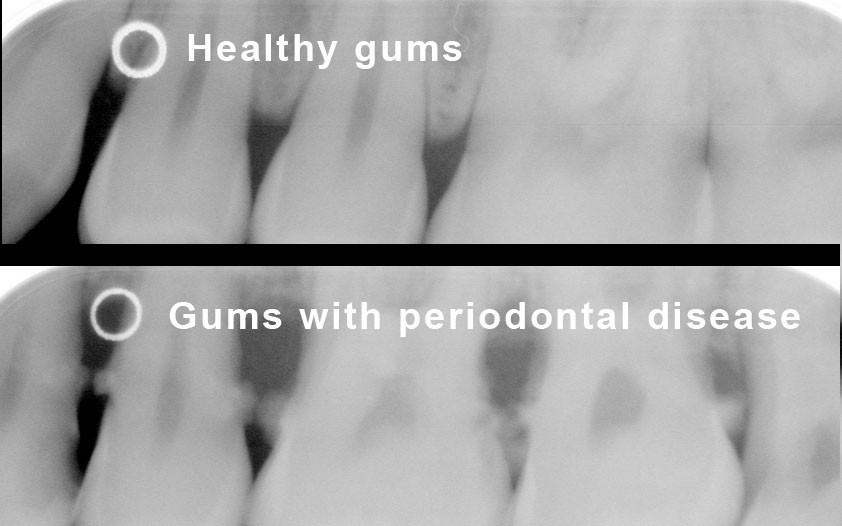
But this advice may contribute more to your health than a mouth full of cavity-free teeth, according to cardiologists at the University of Cincinnati (UC). Neal Weintraub, MD, director of the cardiovascular disease division at UC, says there is research proving a connection between gum disease and cardiovascular disease. "This information is relatively recent and less well established when compared with other known risk factors for heart disease such as high blood pressure and high cholesterol, he says. Gum, or periodontal, disease is a collection of inflammatory diseases affecting the tissues that surround and support the teeth. Periodontal disease involves progressive loss of the bone around teeth which may lead to loosening and eventual loss of teeth if untreated. It is caused by bacteria that adhere to and grow on tooth surfaces, particularly in areas under the gum line. Weintraub says that these bacteria can gain access to the bloodstream, triggering inflammation in the body. "Like with any illness, your body starts to react, says Weintraub. "When you get the flu, you get a fever, your white blood cell count goes up, etc. With periodontal disease, the level of local inflammation is much less severe and is usually not high enough to cause these systemic symptoms. "However, the chronic, low level of inflammation may be enough to bother the blood vessels and help trigger vascular disease. In this case, the low level of inflammation is sensed by white blood cells present in atherosclerotic, or hardened, blood vessels, which in turn produce a variety of factors that may worsen the disease process. In addition, there is some evidence that periodontal bacteria can attach to the fatty plaques in blood vessels, amplifying the inflammatory process, which can lead to heart attack or stroke. This mechanism is similar to periodontal bacteria attaching to heart valves, which can lead to a serious infection of the heart lining known as endocarditis. Heart disease is caused by the thickening of the walls of the coronary arteries. CRP is a blood test that detects the level of inflammation in the body. But Weintraub says it isnt just bacteria in the mouth that can hurt your heart. Simple illnesses such as a cold or the flu can significantly increase the risk of heart attacks and stroke in susceptible people. "During the course of acute respiratory tract infections in elderly patients, the risk of suffering a heart attack is up to four-fold higher than usual, Weintraub says, noting that he encourages his patients to get an annual flu shot. He says that although the flu vaccine was not as effective this year, due to problems with formulation, people should not disregard its ability to prevent infection. "The flu vaccine has and will continue to save many lives in the future, he says. "There are many illnesses that may seem unrelated but that truly impact the function and health of the heart, he continues. "The best resolution is to be aware of your health risks and to take the proper precautions to ensure healthy living.
Weintraub says that patients with periodontal disease typically have elevated C-reactive protein (CRP) levels, an independent risk predictor of cardiovascular disease.
In addition, he advises them to pay attention to suspicious symptoms that may signal heart disease, such as chest tightness or excessive shortness of breath, occurring during respiratory track infections.

Neal Weintraub, MD, director of the cardiovascular diseases division
Tags
Related Stories
UC radiation oncologist speaks with Local 12 news about clinical trial for head and neck cancer treatment
August 10, 2026

Dr. Sara Medek, a UC radiation oncology professor, speaks with Local 12 news about a new clinical trial aimed at reducing radiation in certain areas while still treating cancer effectively but with fewer painful side effects.
Cancer Center director charts future based on collaboration, AI
August 10, 2026

David Gius, MD, PhD, was featured in a Cincinnati Business Courier article and The Cancer Letter’s “The Directors" podcast discussing his priorities and goals as he recently took the helm as director of the University of Cincinnati Cancer Center.
Bidirectional link between oral, kidney health calls for patient education, access
August 4, 2026

Despite growing awareness of the connection between oral health and chronic health conditions, patient awareness and access to dental care remain limited, according to University of Cincinnati experts who recently spoke with Healio | Nephrology News & Issues.