UC HEALTH LINE: Sun's Rays Can Be Beneficial

But while the suns rays can be dangerous without proper skin protection, University of Cincinnati (UC) physician Nelson Watts, MD, says the sun has some benefits, too.
Small doses of sunlight can help trigger vitamin D synthesis in the skin, says
Vitamin D is a fat-soluble vitamin found in some foods and can be made in your body after exposure to ultraviolet rays from the sun. It helps the body maintain normal blood levels of calcium and phosphorus and promotes calcium absorption to help form and maintain strong bones.
Watts, director of UCs Bone Health and
But how much vitamin D do you need?
· From birth to age 50, people should get 200 international units (IU) of vitamin D a day. You can get 200 IU, for example, from a can of tuna or two 8-ounce glasses of milk.
· Adults ages 51 to 69 require 400 IU daily, and those over 70 require 600 IU.
·
· To get the maximum benefit of vitamin D from the suns rays,
For people like me, who get up before sunup and put on sunblock first thing, a supplement of vitamin D is usually required, says
Its possible to get too much vitamin D.

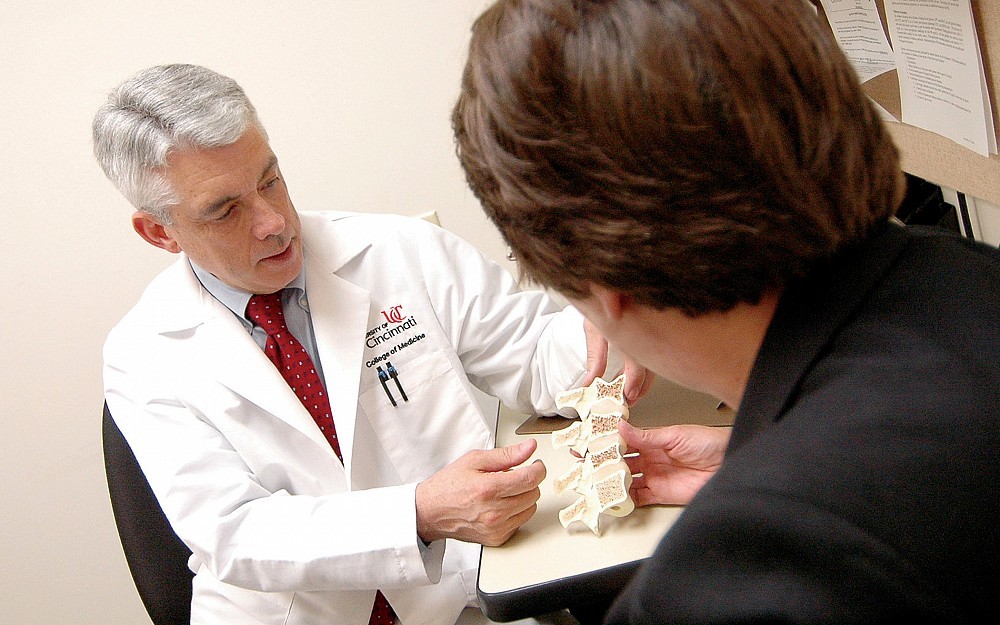
Nelson Watts, MD, specializes in osteoporosis.
Tags
Related Stories
UC radiation oncologist speaks with Local 12 news about clinical trial for head and neck cancer treatment
August 10, 2026

Dr. Sara Medek, a UC radiation oncology professor, speaks with Local 12 news about a new clinical trial aimed at reducing radiation in certain areas while still treating cancer effectively but with fewer painful side effects.
Cancer Center director charts future based on collaboration, AI
August 10, 2026

David Gius, MD, PhD, was featured in a Cincinnati Business Courier article and The Cancer Letter’s “The Directors" podcast discussing his priorities and goals as he recently took the helm as director of the University of Cincinnati Cancer Center.
Bidirectional link between oral, kidney health calls for patient education, access
August 4, 2026

Despite growing awareness of the connection between oral health and chronic health conditions, patient awareness and access to dental care remain limited, according to University of Cincinnati experts who recently spoke with Healio | Nephrology News & Issues.