UC HEALTH LINE: Remembering ABCs Could Help Identify Skin Cancer Warning Signs

Lana King, a nurse practitioner with the University of Cincinnati (UC) dermatology department, says there is a simple way to remember how to check for the warning signs of dangerous moles: Follow the ABCDE guidelines.
Recommended by the
- AsymmetryOne side of the mole does not match the other
- BorderThe moles border is ragged, blurred or irregular
- ColorColoration is not the same throughout the mole; for example, the mole may have shades of tan, brown, black, blue or white
- DiameterMoles larger than a pencil eraser should be checked
- ElevationMost moles are flush with the skin, so elevation is a warning sign
Moles occur when melanocytes, the skin cells responsible for skin pigmentation and color, grow in a cluster versus spreading evenly throughout the skin. These dark brown or black spots normally appear during the first 20 years of life and can darken during pregnancy or puberty and with sun exposure.
Moles are sometimes more of a cosmetic concern than a medical one, says King, who regularly performs skin cancer checks through the UC Physicians dermatology clinics. Moles that look different than other existing moles or appear after age 20 are the ones that should cause medical concern.
King says people should have their moles checked regularlyparticularly if there is a difference in the moles coloration, height, size or shape as it could be a sign of cancer. Bleeding, oozing, itchiness, scaling and tenderness in the mole are also clear warning signs that something may be wrong.
People should pay attention to their skin and have changes checked by a dermatologist or dermatology professional as soon as possible, she adds. Skin cancer is a serious problem in the
There are three types of skin cancer: melanoma, an aggressive form that grows in the melanocytes, and non-melanoma basal and squamous cell cancers, both of which occur on the outer layer of the skin.
According to the American Cancer Society, more than 1 million people are diagnosed with sun-related non-melanoma skin cancers.
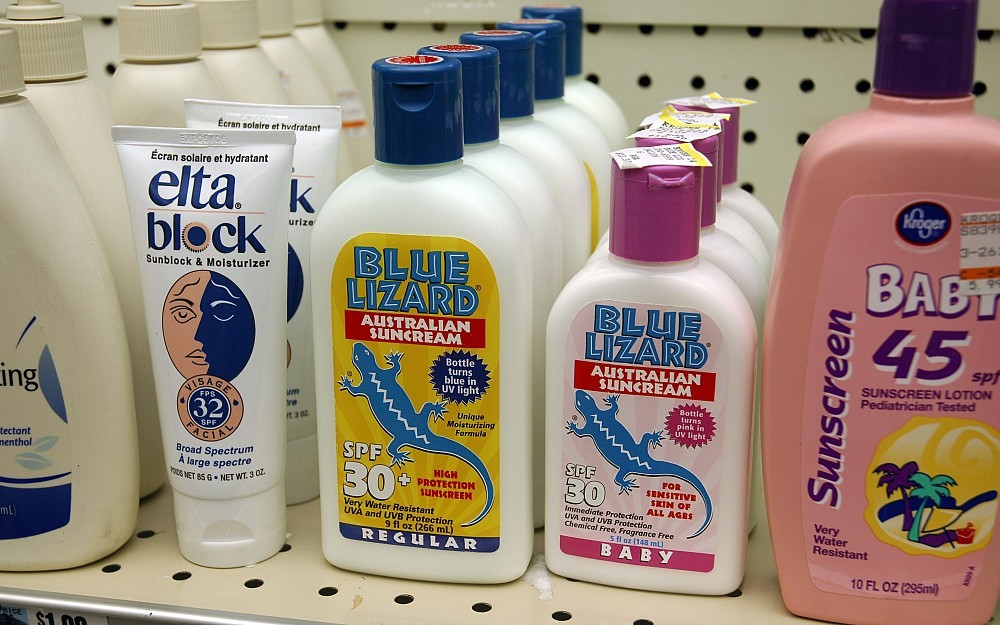
The best thing a person can do is wear sunscreen every time you are exposed to the sunwhether it is for half an hour or all dayand engrain those smart sun-safety habits into your family as well, King adds.
UC dermatologists recommend using a sunscreen with a sun protection factor (SPF) of 15 to 30, applied every two to three hours any time youre spending time outsideeven on overcast days. Other good sun-safety habits include:
- Avoiding the sun between 10 a.m. and 4 p.m., when its rays are most intense.
- Wearing protective clothing thats comfortable, but not see-through. The suns rays can penetrate clothing.
- Wearing a hat that shades your face, ears and neck while youre walking outside, driving in your car or sitting by a window. These areas are constantly exposed to the sun, so they merit extra protection.
- Buying sunglasses that protect from UV radiation. Many can effectively filter out 99 percent of harmful UV rays.
For appointments with a UC dermatologist, call (513) 475-7630. UC nurse practitioners also offer skin cancer checks, which can be scheduled through the same number.
Dermatology nurse practitioners like King have completed advanced training and are qualified to diagnose and treat skin conditions, perform procedures and write prescriptions. If a patient has a serious, rare or difficult to treat condition, he or she will often be referred to the dermatologist for follow-up care.
For more information on skin cancer and moles, visit www.netwellness.org, a collaborative health-information Web site staffed by
Tags
Related Stories
UC expert weighs in on current MASH treatment approaches
June 5, 2026

As MedCentral recently reported, pending broader pharmacologic approvals for metabolic dysfunction-associated steatohepatitis (MASH), lifestyle modifications remain the go-to intervention.
At least two weather patterns increase headaches, UC study suggests
June 4, 2026
University of Cincinnati physicians and collaborators identified two specific weather patterns that increase headache and migraine risk and found the preventive medication fremanezumab (Ajovy) can reduce weather‑associated headaches. The findings will be presented at the American Headache Society Annual Scientific Meeting in Orlando.
UC researcher secures $3.3M grant to study microplastics’ impact on heart
June 2, 2026
The National Institute of Environmental Health Sciences awarded a $3.3M grant to University of Cincinnati researcher Hong‑Sheng Wang, PhD, to study how microplastics and nanoplastics affect cardiovascular health.