UC HEALTH LINE: Decision to 'Reconstruct' Personal, Emotional for Breast Cancer Survivors

Many patientsespecially young survivorsare frustrated by the appearance of their breasts after cancer surgery but find the idea of a permanent prosthesis (implants) unappealing, explains
I always encourage my patients to think seriously about how much surgery they can handle, he adds. Reconstruction is another major surgery that requires recovery time and carries some risks.
According to American Society of Plastic Surgeons statistics, more than 106,000 women chose to have breast reconstruction last yeara 25 percent increase from 2000.
Reconstruction techniques have advanced, allowing specially trained surgeons to do muscle-sparing reconstructive surgery using the patients own tissue which, according to
Using the patients own tissue allows us to create a more natural breastboth in appearance and feeling, says
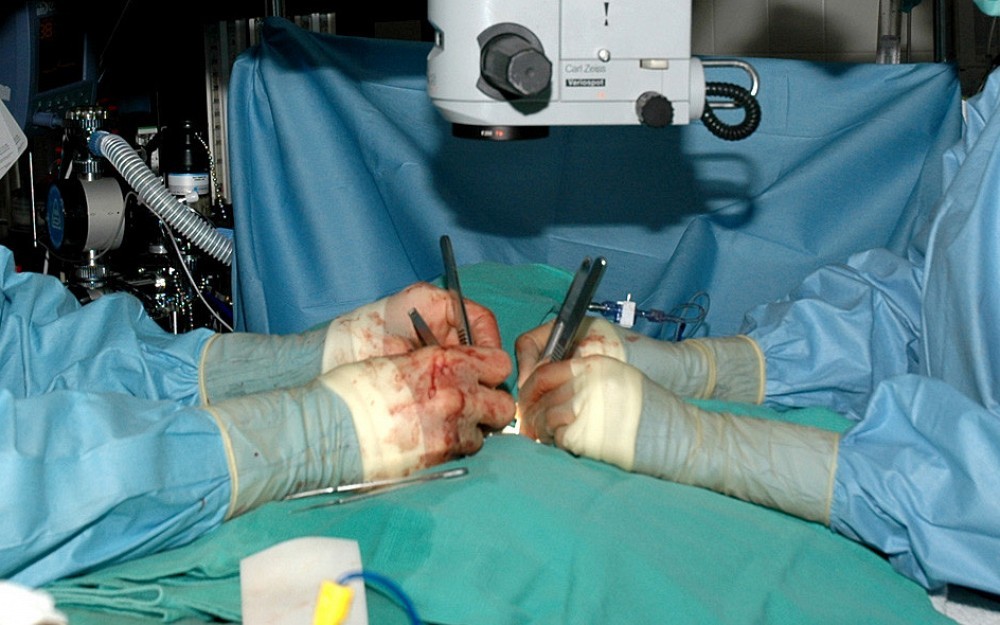
He specializes in a microsurgical reconstruction procedure known as the DIEP (deep inferior epigastric perforator) where he creates a new breast using the patients own tissue and fat. During the procedure,
Traditional breast reconstruction uses TRAM (transverse rectus abdominis muscle) flaps where entire pieces of muscle, skin and fat are moved up from the lower stomach into the chest cavity to form a breast. The procedure can lead to abdominal hernias, loss of abdominal muscle control and fat necrosis, a condition where the skin continues to live but the underlying fat dies and forms a firm mass. The masses, in turn, lead to cancer scares and more biopsies.
The DIEP flap procedure spares the muscle, reducing the risk for complications associated with TRAM flap surgery, improving the tissues blood supply and retaining abdominal muscles. The result is a more natural breast, both in feeling and appearance.
- Implants are much safer than in the past, but require maintenance. When you get breast implants, it is a lifetime commitment. Because an implant is recognized by the immune system as foreign, the body may try to reject it and lead to a higher risk of infection. Women who choose implants should have them regularly checked by a plastic surgeon.
- No type of reconstruction will restore your breast to its precancerous state. With microsurgical reconstruction, some patients may benefit from partial sensation in the breast, but this will not restore sensual arousal from stimulation.
- Muscle-sparing reconstruction is not guaranteed to work. Although microsurgical reconstruction is preferable in terms of look and feel, there is still a risk that the revascularization will not be successful and the harvested tissue could die.
- If you do choose to reconstruct, most insurance plans will cover the cost of surgery. The 1998 Federal Breast Reconstruction Law guarantees certain medical coverage rights to breast cancer patients who opt to have reconstructive surgery. Contact your insurance provider for more information.
For more information on breast reconstruction options at UC, visit www.cosmeticsurgeryuc.com. Appointments with

Plastic surgeon Christopher Gordon, MD, discusses the pros and cons of breast implants with a potential patient.
Tags
Related Stories
UC radiation oncologist speaks with Local 12 news about clinical trial for head and neck cancer treatment
August 10, 2026

Dr. Sara Medek, a UC radiation oncology professor, speaks with Local 12 news about a new clinical trial aimed at reducing radiation in certain areas while still treating cancer effectively but with fewer painful side effects.
Cancer Center director charts future based on collaboration, AI
August 10, 2026

David Gius, MD, PhD, was featured in a Cincinnati Business Courier article and The Cancer Letter’s “The Directors" podcast discussing his priorities and goals as he recently took the helm as director of the University of Cincinnati Cancer Center.
Bidirectional link between oral, kidney health calls for patient education, access
August 4, 2026

Despite growing awareness of the connection between oral health and chronic health conditions, patient awareness and access to dental care remain limited, according to University of Cincinnati experts who recently spoke with Healio | Nephrology News & Issues.