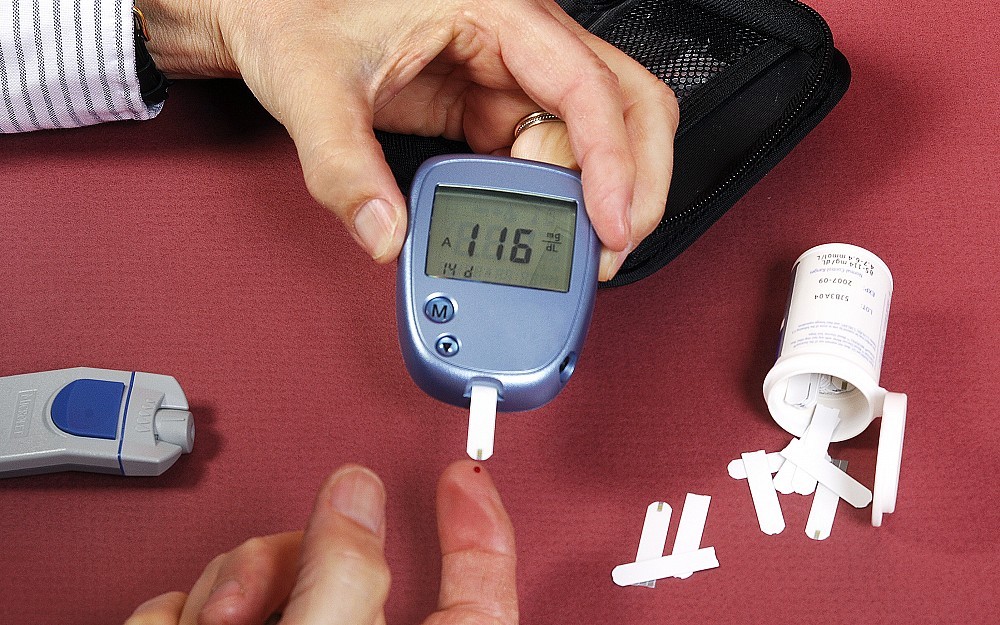
UC HEALTH LINE: Get the Facts on Diabetes Meds

University of Cincinnati (UC) diabetologist Barbara Ramlo-Halsted, MD, recommends talking with your physician before emptying your medicine cabinets.
News reports of adverse events and black-box warnings can cause alarm, but medications are often a useful tool for people managing their type 2 diabetes, says Ramlo-Halsted. And stopping use of a medicine without first consulting a physician can lead to unwanted complications.
Type 2 diabetes results from the bodys inability to properly use insulina hormone that converts sugar and other foods into energy within the body. If left unmanaged, diabetes can lead to vision loss, kidney failure, heart attack, stroke and nerve or blood vessel damage.
Some people are able to manage their diabetes through diet and exercise alone, but many need medications to improve the bodys ability to use the insulin that is produced, promote increased insulin production and/or reduce blood sugar.
Ramlo-Halsted recommends learning as much as you can about your diabetes and the medications you use to control it.
Understanding those medications and their potential side effects will allow you to be more knowledgeable about your own disease and can give you clues as to when, if ever, you need to seek medical attention, says Ramlo-Halsted.
The American Diabetes Association estimates that more than 23 million Americans have diabeteswith nearly 6 million of those cases yet to be diagnosed.
For more information about diabetes, visit www.netwellness.org, a collaborative health-information Web site staffed by
To schedule an appointment at UCs diabetes center, call (513) 475-8200.
Tags
Related Stories
UC radiation oncologist speaks with Local 12 news about clinical trial for head and neck cancer treatment
August 10, 2026

Dr. Sara Medek, a UC radiation oncology professor, speaks with Local 12 news about a new clinical trial aimed at reducing radiation in certain areas while still treating cancer effectively but with fewer painful side effects.
Cancer Center director charts future based on collaboration, AI
August 10, 2026

David Gius, MD, PhD, was featured in a Cincinnati Business Courier article and The Cancer Letter’s “The Directors" podcast discussing his priorities and goals as he recently took the helm as director of the University of Cincinnati Cancer Center.
Bidirectional link between oral, kidney health calls for patient education, access
August 4, 2026

Despite growing awareness of the connection between oral health and chronic health conditions, patient awareness and access to dental care remain limited, according to University of Cincinnati experts who recently spoke with Healio | Nephrology News & Issues.