UC HEALTH LINE: Patients Should Use Caution at Medical Spas

But in the quest to find bodily perfection, some people fall prey to fast-fix procedures that set high expectations for an even higher price tag.
Many of these newer procedures advertised for eliminating unwanted fat or eliminating cellulite are not scientifically proven to work or have lasting effects, says W. John Kitzmiller, MD, chief of plastic at UC and surgeon with University Hospital. Patients should focus on getting the best treatment available rather than pursuing expensive quick fixes that leave them frustrated with results and out of money.
People need to have a realistic understanding of what to expect from these new treatments. If the results sound too good to be true, they probably are, he adds.
According to the American Society for Aesthetic Plastic Surgery (ASAPS), Americans spent more than $13 billion on cosmetic procedures in 2007. More than half that total was for nonsurgical procedures.
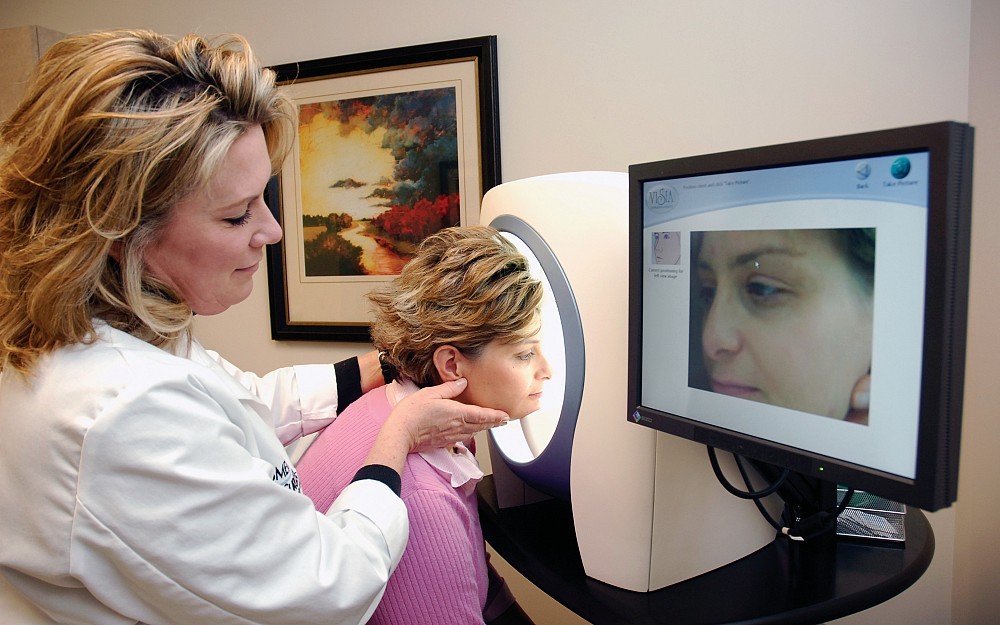
This growth has resulted in a large number of medi-spas popping up across the country offering an assortment of procedures including deep peel facials, hair removal, pharmaceutical injections (Botox, skin fillers) and other medical procedures designed to eradicate wrinkles, pigmentation problems and stubborn fat deposits.
No national standards exist to quantify or regulate what constitutes such a facility, says Kitzmiller, a board-certified cosmetic and plastic surgeon who sees patients at the University Pointe Medical Campus in
Kitzmiller recommends considering the following factors, detailed by the ASAPS, before choosing a cosmetic surgery procedure:
· Check the facilitys accreditationit is a measure of quality and safety.
Cosmetic surgery should be performed in a hospital, surgical center or office-based outpatient medical facility. Although problems are rare with noninvasive cosmetic procedures, these facilities have the medical personnel available to address problems with treatment if they occur.
· Seek out board-certified physicians.
Board-certification is the best indicator of a physicians medical or surgical training. If treatment occurs in a facility outside of a professional medical setting, ask for the name and credentials of the physician providing oversight and when they are available for consultations before having any injectable, deep peel or laser treatment.
· Understand exactly what will happen during your treatment and what to expect afterward.
Consulting with your doctor prior to surgery is an essential opportunity to ask questions about both the benefits and risks of any given procedure. This should also include a thorough review of your medical history to heed off any potential complications or unnecessary risks.
For more information on the safety of medi-spas, visit www.surgery.org.
For appointments with Kitzmiller and the other board-certified plastic and cosmetic surgeons at UC, call (513) 475-8881.

John Kitzmiller, MD, chief of plastic, reconstructive and hand surgery at UC.
Tags
Related Stories
UC radiation oncologist speaks with Local 12 news about clinical trial for head and neck cancer treatment
August 10, 2026

Dr. Sara Medek, a UC radiation oncology professor, speaks with Local 12 news about a new clinical trial aimed at reducing radiation in certain areas while still treating cancer effectively but with fewer painful side effects.
Cancer Center director charts future based on collaboration, AI
August 10, 2026

David Gius, MD, PhD, was featured in a Cincinnati Business Courier article and The Cancer Letter’s “The Directors" podcast discussing his priorities and goals as he recently took the helm as director of the University of Cincinnati Cancer Center.
Bidirectional link between oral, kidney health calls for patient education, access
August 4, 2026

Despite growing awareness of the connection between oral health and chronic health conditions, patient awareness and access to dental care remain limited, according to University of Cincinnati experts who recently spoke with Healio | Nephrology News & Issues.