UC HEALTH LINE: Simple Lifestyle Changes Can Help Prevent Painful Kidney Stones

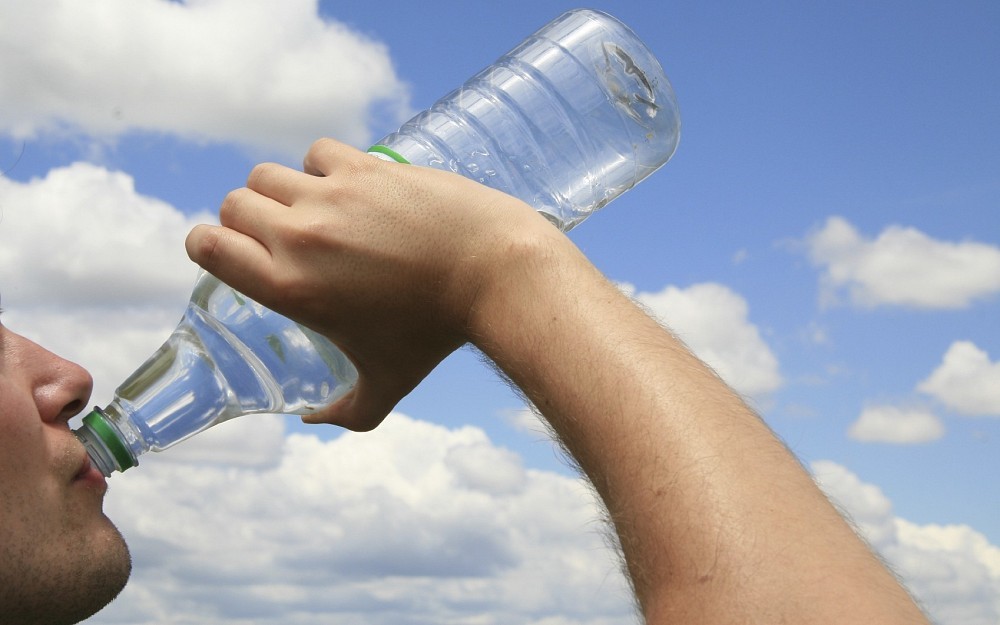
The more water you drink, the more diluted your urine becomes so harmful chemicals and salts such as calcium dont have time to crystallize and are instead removed from the body via urination, explains Krishnanath Gaitonde, MD, a UC assistant professor of surgery and urologist with University Hospital.
Kidneys are small, crescent-shaped organs that filter blood and remove waste products from the body via urine. Stones develop when crystals separate from the urine and build up inside the kidney. Left untreated, they can eventually cause blockages and prevent urine from passing.
In general, people should drink enough fluids, the majority of that being water, to produce about two liters of urine per day, says Gaitonde. You should increase your intake when doing activities that may cause sweating, such as exercising or working in hot areas to avoid dehydration.
While doctors agree that certain foods may promote stone development, Gaitonde says there is no one food that causes a person to get kidney stones. Proper hydration and a balanced diet are the only universal precautions physicians recommend.
People with a family history of stone disease are at an increased risk to develop kidney stones, and once you develop a stone, you are more likely to get them in the future. Chronic urinary tract infections can also make people more susceptible to developing stones, says Gaitonde.
Researchers are investigating whether specific dietary and lifestyle factorssuch as obesity, sodium intake, high-protein diets or caffeinated and carbonated beveragescan increase a persons risk, but so far the evidence has been inconclusive.
There is no magic solution for preventing kidney stones, so the best advice is increasing fluid intakeparticularly waterand maintaining a balanced diet filled with nutritious grains, fruits and vegetables, Gaitonde says. People who form stones regularly or have increased risk of stone formation may require 24-hour urine collection and blood tests to identify metabolic abnormalities. The results of this test can help in recommending dietary modifications and medical therapy to decrease the risk of stone formation, but may not always be conclusive.
Kidney stones are more common in adult men than any other population group; however, doctors have seen a disturbing increase in kidney stone disease both locally and nationally among children. Pramod Reddy, MD, says the reasons are consistent with adults: improper hydration teamed with a lack of exercise and diets filled with processed food.
Many kids have started supplementing sports drinks for water. This can be especially harmful to kids who are inactive because the excess salt and calcium is excreted in the urine and can result in stone formation and kidney injury says Reddy, a pediatric urologist with Cincinnati Childrens Hospital Medical Center and associate professor of surgery at UC.
In addition to sports drinks, carbonated beveragessuch as sodacan mobilize calcium from growing bones and cause excess calcium to enter the urine, which is a risk factor for stones.
Reddy adds that kids dont live in a vacuum, so parents should follow the same guidelines they give their kids: carbonated and sport drinks in moderation, eating healthful foods and exercising regularly. He stresses that the healthiest liquid for people to be drinking is water.
For more information on kidney stone disease, visit www.netwellness.org, a collaborative health-information Web site staffed by
Adult urology appointments can be made through UC Physicians by calling (513) 475-7450 (University Pointe, West Chester) or (513) 475-8787 (

Krishnanath Gaitonde, MD, (left) and colleagues in the operating room.

Krishnanath Gaitonde, MD, specializes in treating urological disease and cancers using minimally invasive surgery and robotic technology.

Pramod Reddy, MD, specializes in pediatric urology.
Tags
Related Stories
UC radiation oncologist speaks with Local 12 news about clinical trial for head and neck cancer treatment
August 10, 2026

Dr. Sara Medek, a UC radiation oncology professor, speaks with Local 12 news about a new clinical trial aimed at reducing radiation in certain areas while still treating cancer effectively but with fewer painful side effects.
Cancer Center director charts future based on collaboration, AI
August 10, 2026

David Gius, MD, PhD, was featured in a Cincinnati Business Courier article and The Cancer Letter’s “The Directors" podcast discussing his priorities and goals as he recently took the helm as director of the University of Cincinnati Cancer Center.
Bidirectional link between oral, kidney health calls for patient education, access
August 4, 2026

Despite growing awareness of the connection between oral health and chronic health conditions, patient awareness and access to dental care remain limited, according to University of Cincinnati experts who recently spoke with Healio | Nephrology News & Issues.