Smokers With Stroke in Family More Likely to Have Stroke

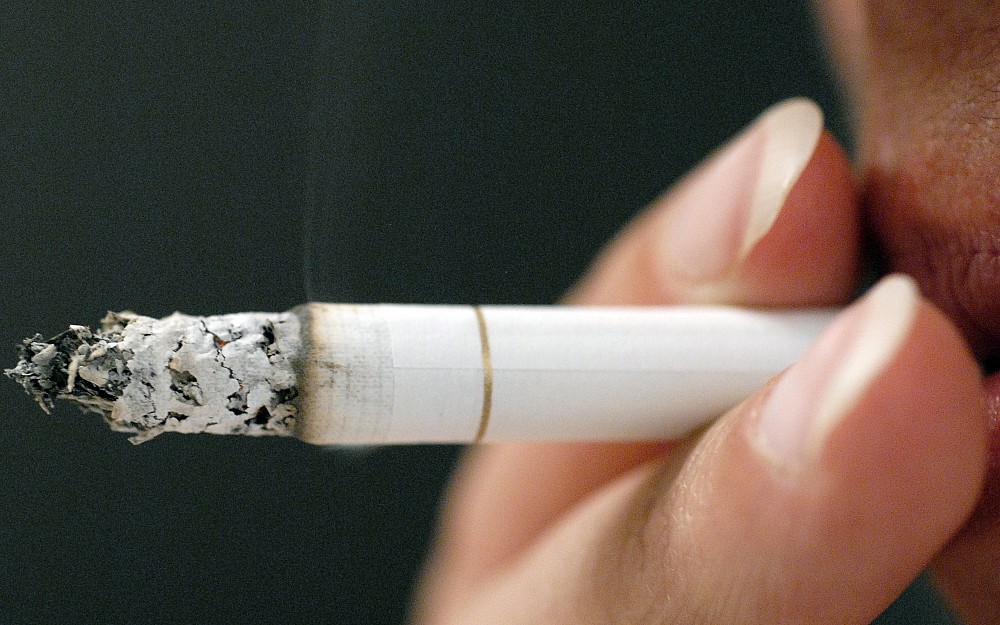
CINCINNATIPeople who are smokers and have a family history of brain aneurysm appear to be significantly more likely to suffer a stroke from a brain aneurysm themselves, according to a new study by University of Cincinnati researchers.
The research is published in the Dec. 31, 2008, online issue of Neurology, the medical journal of the American Academy of Neurology (AAN), and will appear in the Jan. 6, 2009, print issue. Study author Daniel Woo, MD, is an associate professor in UCs neurology department and an AAN member.
Smoking and family history are known independent risk factors for brain aneurysm, but the research indicates that they may interact to further increase that risk at a rate higher than the sum of the individual risks, Woo says.
While all people should be advised to quit smoking, our findings suggest that there is an interaction so that if you smoke and have a family history of aneurysms, you are at an extremely high risk of suffering a stroke from a ruptured brain aneurysm, he adds.
A ruptured brain aneurysm, known as subarachnoid hemorrhage, is one of the bleeding types of strokes and is deadly in about 35 to 40 percent of patients.
In the study, the researchers looked at 339 people who suffered a stroke from a brain aneurysm and 1,016 people who had not had a stroke due to an aneurysm. Current smokers made up half of the group that had a stroke. The other half had never smoked or had smoked in the past.
The research found that people who smoked and also had a family history of stroke were more than six times more likely to suffer a stroke than those who did not smoke and did not have a family history of stroke or brain aneurysm. The study also found that people with a family history of stroke could cut their risk by more than half by quitting smoking.
The results were the same regardless of high blood pressure, diabetes, alcohol use, body mass index and education level.
The study was funded by a grant from the National Institute of Neurological Disorders and Stroke, a component of the National Institutes of Health.
Members of the research team in addition to Woo were Joseph Broderick, MD, Matthew Flaherty, MD, Brett Kissela, MD, Dawn Kleindorfer, MD, Charles Moomaw, PhD, and Mary Haverbusch, RN, of UCs neurology department; Ranjan Deka, PhD, and Padmini Sekar of UCs environmental health department; and Jane Khoury, PhD, of Cincinnati Childrens Hospital Medical CenterCenter for Epidemiology and Biostatistics.
Tags
Related Stories
UC radiation oncologist speaks with Local 12 news about clinical trial for head and neck cancer treatment
August 10, 2026

Dr. Sara Medek, a UC radiation oncology professor, speaks with Local 12 news about a new clinical trial aimed at reducing radiation in certain areas while still treating cancer effectively but with fewer painful side effects.
Cancer Center director charts future based on collaboration, AI
August 10, 2026

David Gius, MD, PhD, was featured in a Cincinnati Business Courier article and The Cancer Letter’s “The Directors" podcast discussing his priorities and goals as he recently took the helm as director of the University of Cincinnati Cancer Center.
Bidirectional link between oral, kidney health calls for patient education, access
August 4, 2026

Despite growing awareness of the connection between oral health and chronic health conditions, patient awareness and access to dental care remain limited, according to University of Cincinnati experts who recently spoke with Healio | Nephrology News & Issues.