Elderly More Likely to Qualify for Stroke Drug, Study Shows

CINCINNATIIschemic stroke patients aged 80 and over are more likely to qualify for the clot-busting drug rt-PA than the general population, new research from the University of Cincinnati (UC) shows.
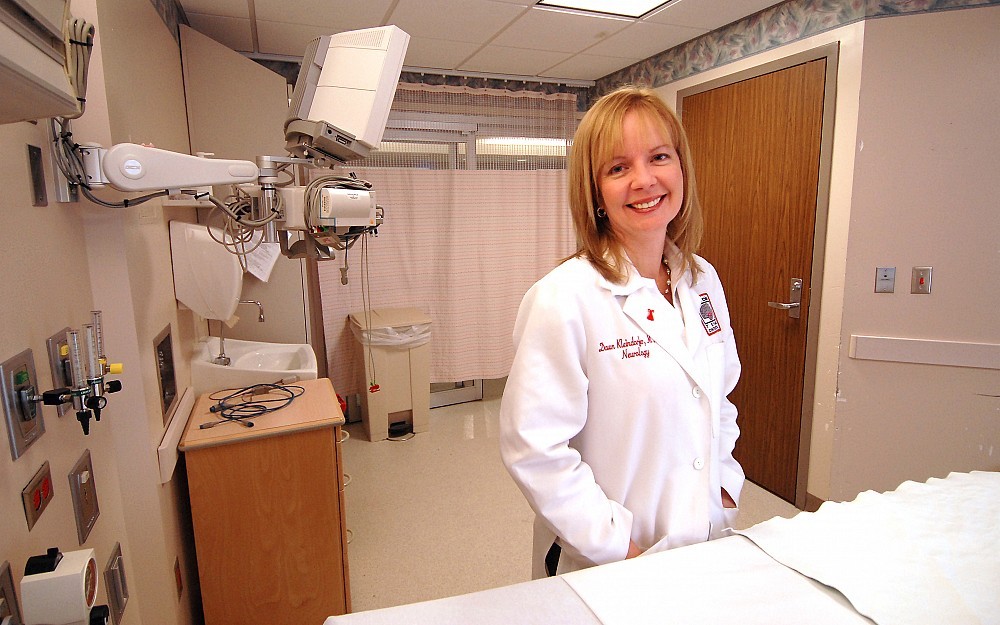
Dawn Kleindorfer, MD, an associate professor in UCs department of neurology and member of the UC Neuroscience Institute at University Hospital, is presenting the research Wednesday, Feb. 24, at the American Stroke Associations International Stroke Conference 2010 in San Antonio.
Approximately 750,000 strokes occur in the United States annually, of which 85 percent are ischemic strokesin which a blood clot blocks circulation to the brain. (The other 15 percent are hemorrhagic strokes, which occur when a weakened blood vessel ruptures.)
Recombinant tissue plasminogen activator (rt-PA) is the only FDA-approved drug therapy for acute ischemic stroke. However, it must be administered within three hours of stroke onset. Because many ischemic stroke patients do not make it to the hospital within that three-hour window, or have other exclusions that keep them from receiving rt-PA, only about 3 to 4 percent of them receive it.
"In the original studies for rt-PA, there was no upper age limit, Kleindorfer says. "But since then, many studies have excluded those over 80, even though we know that 30 to 40 percent of ischemic strokes happen to people over 80.
Kleindorfer says one rationale for excluding patients over 80 from studies is that they wouldnt qualify for rt-PA treatment anyway because they have so many other medical problems, such as high blood pressure or impaired coagulation.
To test that hypothesis, Kleindorfer and her study team looked at data from the Greater Cincinnati/Northern Kentucky Stroke Study Laboratory, comprising cases from hospitals, clinics, coroners offices, nursing homes and physician offices from a five-county region that is representative of the United States for age, percentage of African-American residents, median income and educational level.
"We found that as patients got older, they were morenot lesslikely to be eligible to receive rt-PA, Kleindorfer says.
Specifically, the researchers found, 9.6 percent of ischemic stroke patients aged 85 and over were eligible for rt-PA, compared with 8.1 percent aged 65-74 and 8.9 percent aged 75-84. Of the total adult population studied, 8.0 percent (142 of 1,774) qualified for rt-PA.
The percentage of eligible patients actually treated with rt-PA, however, dropped from 66.7 for ages 65-74 to 48.9 for ages 75-84 and 34.5 for ages 85 and over. "So there was some bias there as far as treatment of the extreme elderly, Kleindorfer says.
Kleindorfer notes that the single largest exclusion for receiving rt-PA remains time from symptom onset to presentation at an emergency department for treatment, with 77.2 percent of the patients in her study not making it within the three-hour window.
"We need more scientific study on ways to change public behavior and encourage early arrival for treatment, she says, adding that continued education efforts on the warning signs of stroke are important.
Kleindorfer has been a leader in stroke education, publicizing the FAST method for teaching stroke warning signs and plan of action (Facial or Arm weakness, slurred Speech and Time to call 911).
Tags
Related Stories
UC radiation oncologist speaks with Local 12 news about clinical trial for head and neck cancer treatment
August 10, 2026

Dr. Sara Medek, a UC radiation oncology professor, speaks with Local 12 news about a new clinical trial aimed at reducing radiation in certain areas while still treating cancer effectively but with fewer painful side effects.
Cancer Center director charts future based on collaboration, AI
August 10, 2026

David Gius, MD, PhD, was featured in a Cincinnati Business Courier article and The Cancer Letter’s “The Directors" podcast discussing his priorities and goals as he recently took the helm as director of the University of Cincinnati Cancer Center.
Bidirectional link between oral, kidney health calls for patient education, access
August 4, 2026

Despite growing awareness of the connection between oral health and chronic health conditions, patient awareness and access to dental care remain limited, according to University of Cincinnati experts who recently spoke with Healio | Nephrology News & Issues.