Study Reveals Need to Retain More Black Women in Clinical Trials

CINCINNATIResults from a national clinical trial show that while women do about the same as men when taking an FDA-approved medication used for the treatment of HIV, African-American women did more poorly than white and Hispanic women and were more likely to discontinue treatment early.
These findings, published in the Sept. 21 edition of the Annals of Internal Medicine, highlight a need for more efforts to retain women, especially women of color, in clinical trials.
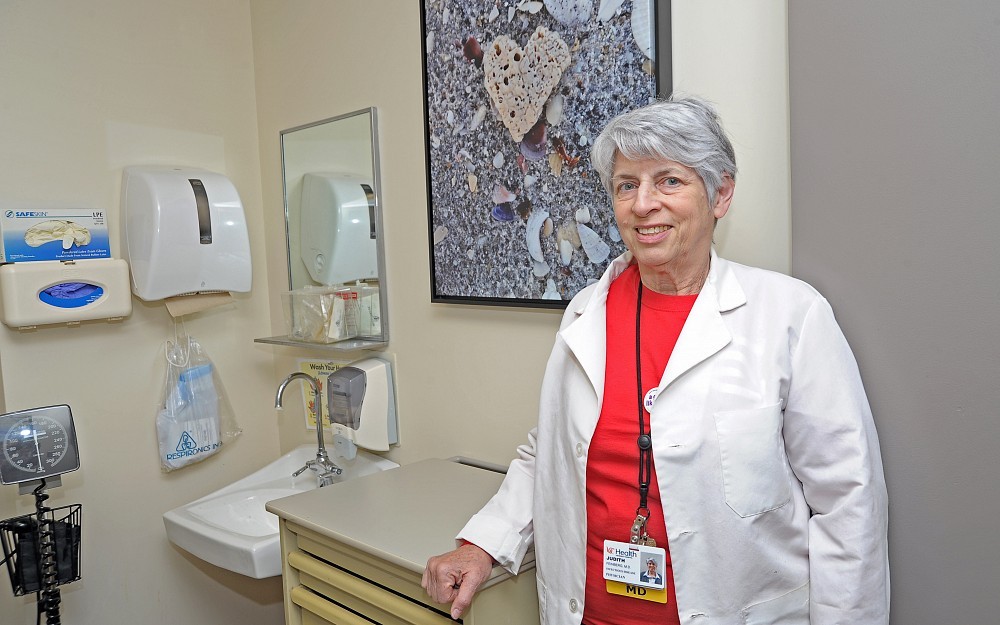
Judith Feinberg, MD, professor of infectious diseases, UC Health physician and point investigator for the local study site that was involved in the studys design, says this trial, known as the Gender, Race and Clinical Experience (GRACE) trial, was primarily conducted to expand knowledge of how women and minorities respond to darunavir/ritonavir (known as Prezista) after prior unsuccessful treatment for HIV.
"Women are the fastest-growing group becoming HIV infected; however, they remain underrepresented in HIV clinical trials, she says. "This trial was designed to assess gender-based differences in treatment effectiveness and to evaluate the incidence of adverse effects that can affect a persons willingness to continue therapy.
The study was conducted at 65 sites in the United States, Puerto Rico and Canada. Sites were selected to correspond with the geographic distribution of women with HIV. A total of 287 women and 142 men were involveda 3 to 1 ratiowith an emphasis on enrollment of racial and ethnic minorities.
Part of the studys design included special efforts to make it attractive and accessible to women, including a special logo and newsletter for participants, access to transportation and child care when needed and the inclusion of local social and educational events, such as programs about HIV conducted over dinners.
Patients received 600 milligrams (mg) of darunavir and 100 mg of ritonavir twice daily in addition to an investigator-selected background treatment regimen. Medication response and adverse effects were assessed and measured over the course of 48 weeks.
"Sixty-seven percent of study participants were women; 84 percent of those were black or Hispanic, says Feinberg. "A higher proportion of women32.8 percentversus men23.2 percentdiscontinued the study early, driven by reasons other than adverse effects to the treatment, such as family or job constraints.
"Treatment response at 48 weeks was about the same among those who remained in the trial for the entire duration50.9 percent for women and 58.5 percent for men.
Feinberg says these results reflect the challenges in recruiting and retaining women in clinical trials and highlight barriers to continuing medical care for women, which is problematic in studies of other chronic diseases in adults.
"GRACE demonstrates that it is possible to enroll a sufficient number of women into HIV treatment trials and may serve as a platform for designing future studies to obtain accurate information on treatment decisions for diverse patient populations, she says. "However, the high discontinuation rate highlights the need for additional efforts to retain womenespecially African-American womenin studies.
"We must find ways to educate women on the importance of participating in clinical trials and continue to help them overcome obstacles in order to prolong participation and gather sound scientific data on if and how women may differ from men in their response to treatment for HIV and other chronic diseases.
This study was funded by Tibotec Therapeutics, a division of Centocor Ortho Biotech Products, L.P. Feinberg was a study investigator and has received honoraria for speaking and consulting with the sponsor.

Judith Feinberg, MD, Professor and Director of the AIDS Clinical Trials Unit, Associate Chair for Faculty Development, Infectious Diseases Division, Internal Medicine
Tags
Related Stories
UC radiation oncologist speaks with Local 12 news about clinical trial for head and neck cancer treatment
August 10, 2026

Dr. Sara Medek, a UC radiation oncology professor, speaks with Local 12 news about a new clinical trial aimed at reducing radiation in certain areas while still treating cancer effectively but with fewer painful side effects.
Cancer Center director charts future based on collaboration, AI
August 10, 2026

David Gius, MD, PhD, was featured in a Cincinnati Business Courier article and The Cancer Letter’s “The Directors" podcast discussing his priorities and goals as he recently took the helm as director of the University of Cincinnati Cancer Center.
Bidirectional link between oral, kidney health calls for patient education, access
August 4, 2026

Despite growing awareness of the connection between oral health and chronic health conditions, patient awareness and access to dental care remain limited, according to University of Cincinnati experts who recently spoke with Healio | Nephrology News & Issues.