Outpatient Treatment Just as Safe for Jaw Fractures, Study Finds

CINCINNATINew research by UC oral and maxillofacial surgeons suggests that treating isolated lower jaw fractures on an outpatient basis has the same outcome and significantly lowers health care costs.
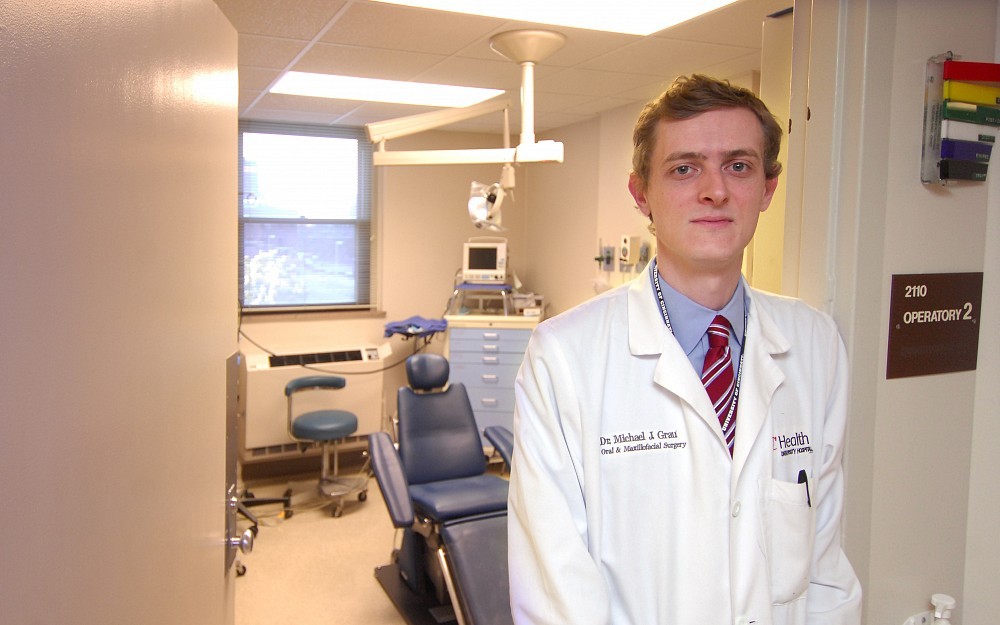
Michael Grau, DMD, is presenting his abstract, titled "Safety and cost-efficiency in treating mandibular fractures non-emergently at the 2010 meeting of the American Association of Oral and Maxillofacial Surgeons (AAOMS), Sept. 27-Oct. 2 in Chicago.
To conduct his research, Grau examined 440 cases of lower jaw fractures, all treated by the UC division of oral and maxillofacial surgery between July 2004 and June 2009.
He divided patients into groups based on how soon they received care after their injury (0 to 72 hours, three to seven days and seven days plus) and then evaluated the cases for the presence of complications requiring a return trip to the operating room.
"A complication could be anything from an infection that requires surgical draining to a removal of infected hardware or a fracture that didnt heal properly, says Grau. Anything that could be treated with a minor outpatient visit to the doctor was not counted as a complication.
"The main thing we were looking at was the complication rate in relation to how quickly they were treated after their initial injury, looking for any differences between patients treated immediately and those treated days after, he says.
What they found was little to no difference in complication rate among groupsmeaning that jaw fracture patients can be treated on a non-emergency or outpatient basis without increasing the risk of further complications.
Its an important finding for both patients and hospitals.
Admitting patients into the hospital immediately after injury does not always guarantee faster treatment, says Deepak Krishnan, DDS, assistant professor of surgery and residency program director.
"Depending on the time of their injury and admittance, sometimes patients can wait several hours, sometimes days to get into surgery, he says. "That causes a great deal of stress for the patient. You cant eat or drink anything before surgeryand often the surgery will be delayed if surgeons are called to more urgent cases.
Sending the patients home with adequate pain coverage and antibiotics allows them to avoid the stress of a hospital stay and return to receive scheduled treatment at a location convenient to them.
It also reduces costs for health care providers.
"Theres no nursing cost for an overnight hospital stay, theres no cost for treatment of hospital stay-associated complications.
The cost was dramatically improved with no difference in outcome, says Krishnan. "Were trying to be careful with how we spend our medical dollars and were concerned about care for people.
Krishnan further notes that the cases studied were at UC Health University Hospital, a Level I trauma center: "So we are seeing the worst of the worst cases, the ones that could potentially have all of the possible complications. Weve shown in five years of experience that outpatient care is a very acceptable way of treating them, without any adverse effects on the outcomes.
Oral and maxillofacial surgery researchers will also present three other abstracts at the AAOMS conference, including work on trends in antibiotic usage about facial trauma providers, cleft lip/palate surgery and treatment of cysts in the orofacial region.
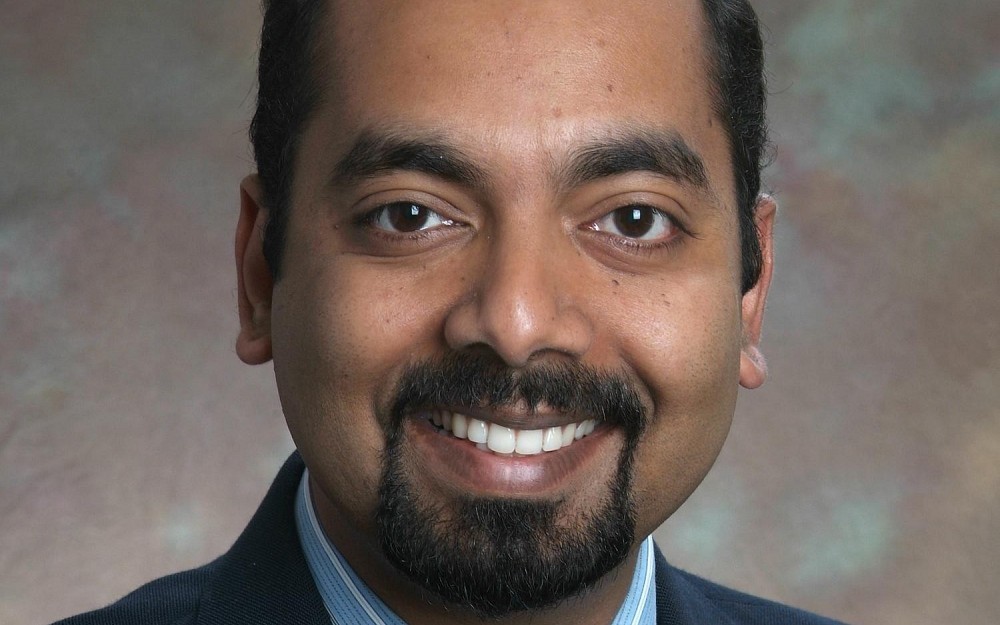
Deepak Krishnan, DDS, specializes in oral and maxiofacial surgery.
Tags
Related Stories
UC radiation oncologist speaks with Local 12 news about clinical trial for head and neck cancer treatment
August 10, 2026

Dr. Sara Medek, a UC radiation oncology professor, speaks with Local 12 news about a new clinical trial aimed at reducing radiation in certain areas while still treating cancer effectively but with fewer painful side effects.
Cancer Center director charts future based on collaboration, AI
August 10, 2026

David Gius, MD, PhD, was featured in a Cincinnati Business Courier article and The Cancer Letter’s “The Directors" podcast discussing his priorities and goals as he recently took the helm as director of the University of Cincinnati Cancer Center.
Bidirectional link between oral, kidney health calls for patient education, access
August 4, 2026

Despite growing awareness of the connection between oral health and chronic health conditions, patient awareness and access to dental care remain limited, according to University of Cincinnati experts who recently spoke with Healio | Nephrology News & Issues.