$2 Million Grant Targets Environmental Pathogens Linked to Chronic Lung Disease

CincinnatiA $2 million grant from the National Institute for Occupational Safety and Health will support University of Cincinnati (UC) research to determine the link between environmental pathogens and lung disease in the workplace.
Led by Jagjit Yadav, PhD, this ongoing environmental health research study seeks to determine what specific mycobacteria (microscopic pathogens) and their antigens are linked to work-induced hypersensitivity pneumonitis, a pulmonary disease that leads to chronic inflammation of the lungs.
The immune-mediated disease is caused by the inhalation of microscopic substances, which trigger the bodys immune system leading to coughing as well as shortness of breath, chills, headaches and fatigue. The specific mycobacteria antigens causing this disease, however, remain to be determined.
"One of the problems with hypersensitivity pneumonitis is that it is difficult to diagnose clinically and there are no specific lab tests to aid in diagnosis, explains Yadav, associate professor of environmental health at the UC College of Medicine. "Unless the patient is seeing a physician who is knowledgeable about occupational pulmonary medicine, hypersensitivity pneumonitis is often mistaken as asthma or bacterial pneumonia or some other lung condition. Left untreated, it can cause irreversible scarring on the lung.
Yadav estimates that more than 1 million machine workers are exposed to potentially harmful machining fluids on a regular basis in the workplace.
Fluids used in many machining operationscutting, metal grinding and coolingoften harbor harmful microorganisms, including mycobacteria. Once released into the air, these contaminants are inhaled by workers and can cause an inflammatory response in susceptible individuals.
UCs study will focus on identifying the role of unique mycobacteria strains and their antigens associated with metal working fluids used in machining industries.
In previous work funded by NIOSH, Yadav and his colleagues identified unique strains of two mycobacteria species from machining fluids associated with hypersensitivity pneumonitisM. immunogenum and M. chelonae. More research is needed, however, to identify the key antigens from these strains that lead to human disease.
"Once these critical antigens are identified, we will have potential targets for novel immunodiagnostic strategies and possibly future therapeutic or vaccine development options, explains Yadav.
Yadav and his colleagues will analyze the molecular and cellular profile of hypersensitivity pneumonitis in both experimental lab models and human patients in an effort to hone in on a biological marker that could provide important clues on how to better diagnose the disease.
Collaborators in the study include James Lockey, MD, and Paul Succop, PhD, of UC, Bill Eshenbacher, MD, of the Cincinnati Veterans Affairs Medical Center, Charles Pue, MD, of the Sleep and Breathing Research Institute in Columbus, Ohio, and Kenneth Rosenman, MD, of Michigan State University.

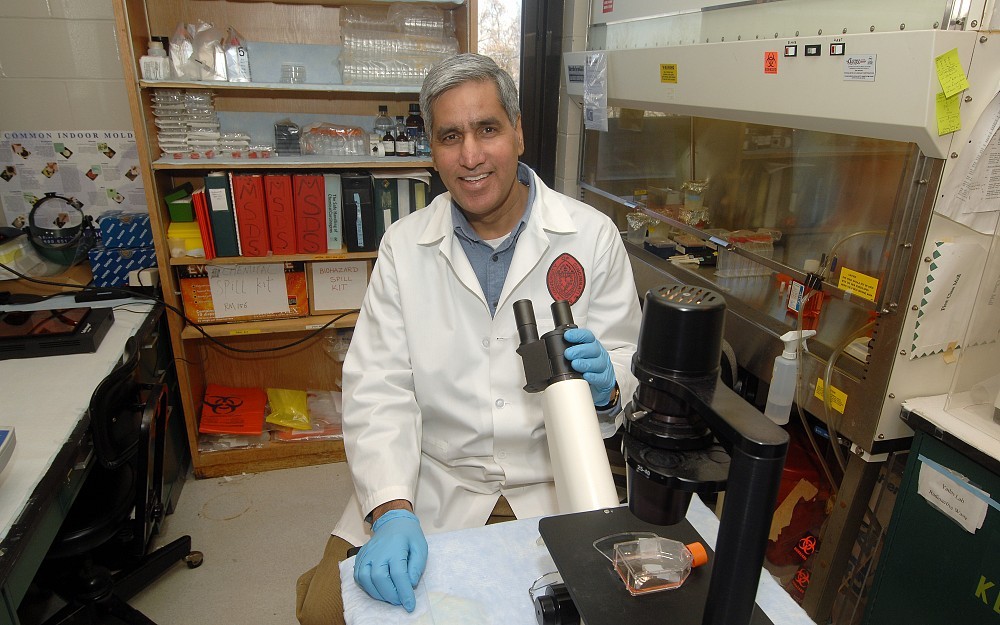
Jagjit Yadav, PhD performs step one of mycobacterial antigen profiling

Jagjit Yadav, PhD, and Shalini Bhatnagar perform step two of the antigen profiling by two-dimensional gel electrophoresis

Jagjit Yadav, PhD, and Shalini Bhatnagar perform step two of antigen profiling by two-dimensional gel electrophoresis
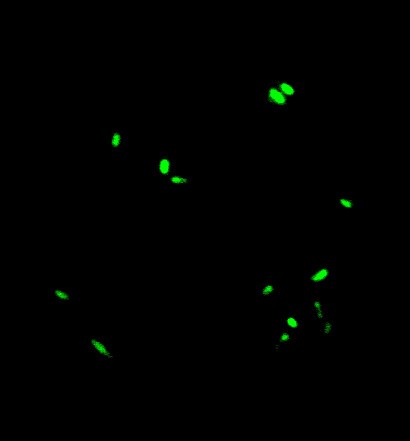
Mycobacteria strain M. immunogenum
Related Stories
UC radiation oncologist speaks with Local 12 news about clinical trial for head and neck cancer treatment
August 10, 2026

Dr. Sara Medek, a UC radiation oncology professor, speaks with Local 12 news about a new clinical trial aimed at reducing radiation in certain areas while still treating cancer effectively but with fewer painful side effects.
Cancer Center director charts future based on collaboration, AI
August 10, 2026

David Gius, MD, PhD, was featured in a Cincinnati Business Courier article and The Cancer Letter’s “The Directors" podcast discussing his priorities and goals as he recently took the helm as director of the University of Cincinnati Cancer Center.
UC graduates cross finish line at commencement
August 7, 2026
The University of Cincinnati recognized 2,125 graduates in two ceremonies at summer commencement Friday on campus at Fifth Third Arena.