Med Students Meet Their Match

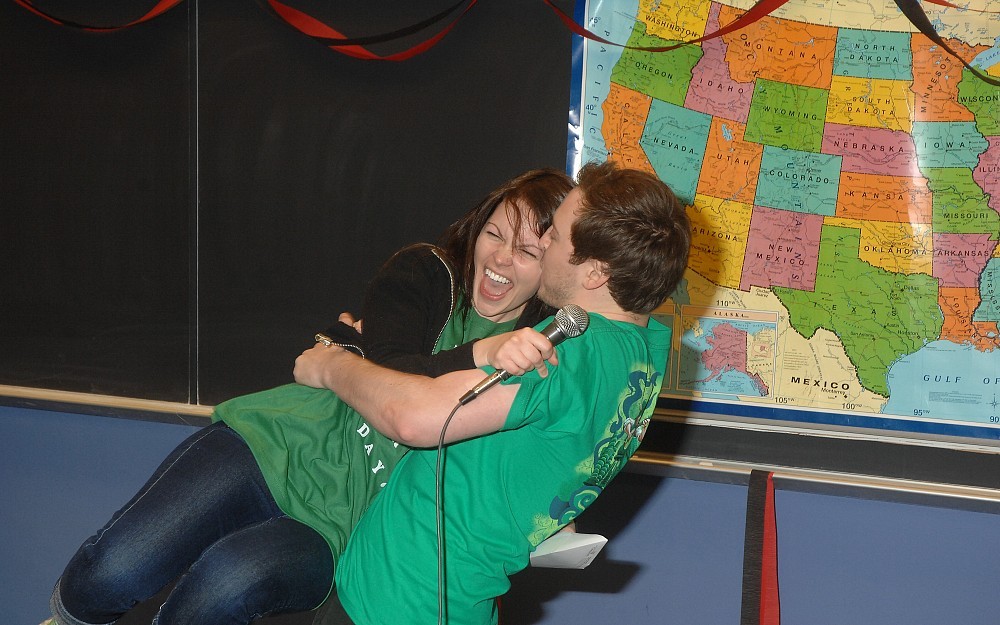
CINCINNATIUCs graduating medical students got a peek into their future Thursday during the annual Match Day celebration. This event is when students find out where theyve matched for residencythe next stage in their medical careers.
Of the 156 graduating medical students, 53 (34 percent) will remain in the Tristate for their residency positions, with 20 students matching at UC Health University Hospital and nine at Cincinnati Childrens Hospital Medical Center. Two students will go to St. Elizabeth Medical Center in Edgewood, Ky., nine to Jewish Hospital, 11 to Christ Hospital and two to Good Samaritan Hospital.
Nearly half of the students will remain in Ohio.
The most popular specialties among UC students were internal medicine, pediatrics, surgery and family medicine.
According to the National Residency Matching Program (NRMP), the organization responsible for keeping the match organized and fair, 2011 was once again a year of growth for matches in family medicine residencies. Get details on the national match.
To learn more about residency matching, visit www.nrmp.org.
Get complete results for UC's grads.
Tags
Related Stories
UC radiation oncologist speaks with Local 12 news about clinical trial for head and neck cancer treatment
August 10, 2026

Dr. Sara Medek, a UC radiation oncology professor, speaks with Local 12 news about a new clinical trial aimed at reducing radiation in certain areas while still treating cancer effectively but with fewer painful side effects.
Cancer Center director charts future based on collaboration, AI
August 10, 2026

David Gius, MD, PhD, was featured in a Cincinnati Business Courier article and The Cancer Letter’s “The Directors" podcast discussing his priorities and goals as he recently took the helm as director of the University of Cincinnati Cancer Center.
Bidirectional link between oral, kidney health calls for patient education, access
August 4, 2026

Despite growing awareness of the connection between oral health and chronic health conditions, patient awareness and access to dental care remain limited, according to University of Cincinnati experts who recently spoke with Healio | Nephrology News & Issues.