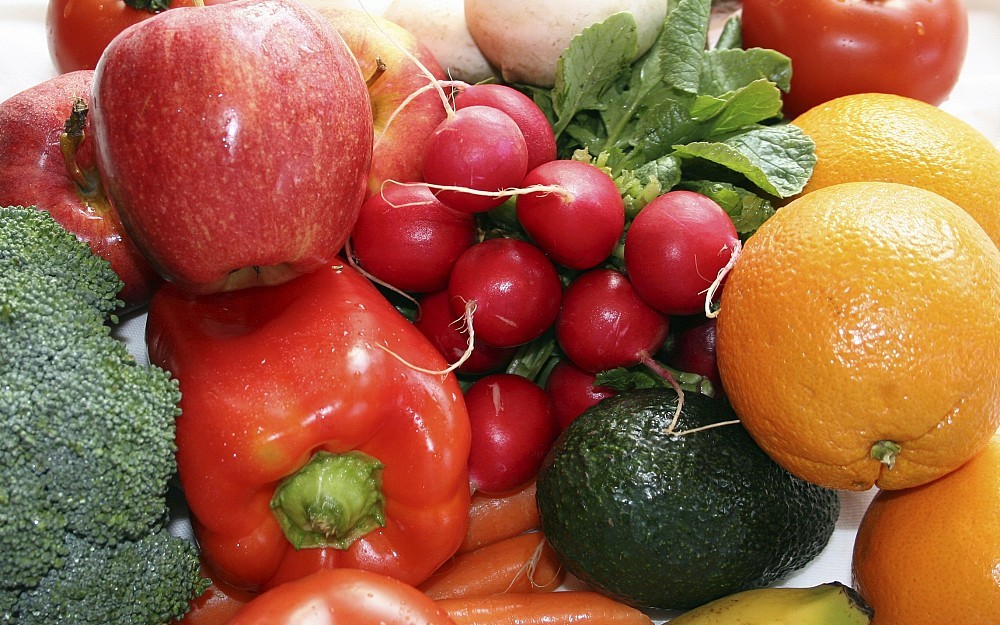
UC HEALTH LINE: Fruit, Vegetables Require Food Safety Techniques, Too

CINCINNATIWeve heard the same food tips for years: Defrost your steak in the fridge, not the counter. Dont cross-contaminate utensils handling raw meat with cooked meat. Keep your cold foods cold and your hot foods hot.
While cooks should follow those precautions when handling meat and dairy, there are important food safety tips to know when handling fruits and vegetables, too. UC associate professor of nutrition sciences Rebecca Smith, a registered dietitian, says our healthy fruits and vegetables come with the same food safety concerns as meat and dairy.
"In fact, says Smith, "because of a strong focus on the prevention of food-borne illness in meat especially, many of the recent major outbreaks of food-borne illness have been in produce, such as lettuce, strawberries, alfalfa sprouts and peppers.
This week's recall of papayas linked to a Salmonella outbreak in 23 states is an example of the most common cause of food-borne illness in produce, when fruits and vegetables are contaminated with bacteria, parasites or viruses.
For information about large-scale produce recalls, consumers should pay attention to the Food and Drug Administration and the news. At home, Smith says, they need to remember to wash all fruits and vegetables under running water before consuming.
Skins and peels, even if you arent eating them, should also get a turn under the faucetand if they are tough enough, under the scrub brush.
"For example, citrus fruits and melons should be washed before peeling or cutting, because the microorganisms can be transmitted from a knife or your hands if you're cutting or peeling fruit to the inside, says Smith.
While it will reduce your exposure to pesticides, she says the organic label on your produce does not reduce your exposure to dirt or bacteria.
"Organic produced has the same likelihood of being contaminated by organisms causing these illnesses as non-organic products, she says. "The major difference between organic and non-organic produce is that organic produce is grown without pesticides. Pesticides can be a risk, but they don't cause food-borne illness as it is traditionally defined.
Because they arent exposed to traditional pesticides, some organic or local produce can arrive with extra visitors from the farm. But small pests, as long as they are outside the food, are OK, says Smithjust remove the bugs and wash the food well.
Antibacterial soaps or dish detergents arent recommended for fruits and vegetables, because residues can remain on the produce. The FDA hasnt yet evaluated the safety of those residues or standardized the effectiveness of commercial cleaning solutions for produce.
Smith says it shouldnt be surprising that harmful bacteria can appear in produce as well as meat and dairy. She says the majority of all foods contain some protein, which is necessary for the growth of most of the organisms responsible for causing food-borne illness. Bacteria also thrive in moist environments, found in the high-water contents of fruit and vegetables.
Thats why prewashed and bagged salads should also be washed before consuming. Although they are kept refrigerated during transport and in the supermarket, Smith says the bags provide a moist environment where bacteria can grow.
"If the bagged salad is not held below 40 degrees F, the bacteria will multiply even in a refrigerated environment, she says.
Healthy people generally recover from food-borne illness within a few days, but susceptible populations like young children, the elderly and individuals with compromised immune systems or chronic disease can suffer long-term effects.
Symptoms from food poisoning can range from an upset stomach to diarrhea, fever, vomiting, abdominal cramps and dehydration. Call your doctor if you experience these symptoms for more than a day for adults, or call your local poison control center to get more information.
Tags
Related Stories
Heavy social media use linked to depression
August 31, 2026

U.S. News and World Report, Yahoo! News, MSN, USA Today and other national media highlight a new study by the University of Cincinnati and Northwestern University that found a correlation between heavy social media use and depression in adults.
On-site training in Speech & Hearing Clinic sets UC’s programs apart
August 27, 2026
At the University of Cincinnati’s Speech & Hearing Clinic, Doctor of Audiology and Speech-Language Pathology graduate students gain real-world experience while providing free speech and hearing services to the community.
Funding expands UC research into weight gain side effects of bipolar medication
August 26, 2026
University of Cincinnati researchers have been approved for funding by the Patient-Centered Outcomes Research Institute (PCORI) to expand the implementation of healthy lifestyle interventions and metformin prescription to help manage weight gain in overweight or obese youth taking second-generation antipsychotic medications.