UC HEALTH LINE: Low-Fat Milk Is Good, but Some Sun Is an Option for Vitamin D

CINCINNATIWith obesity on the rise, nutritional issues have been taken on by public and governmental officials.
In January, the U.S. Department of Agriculture announced a federally funded, five-year plan to improve cafeteria food and reduce childhood obesity.
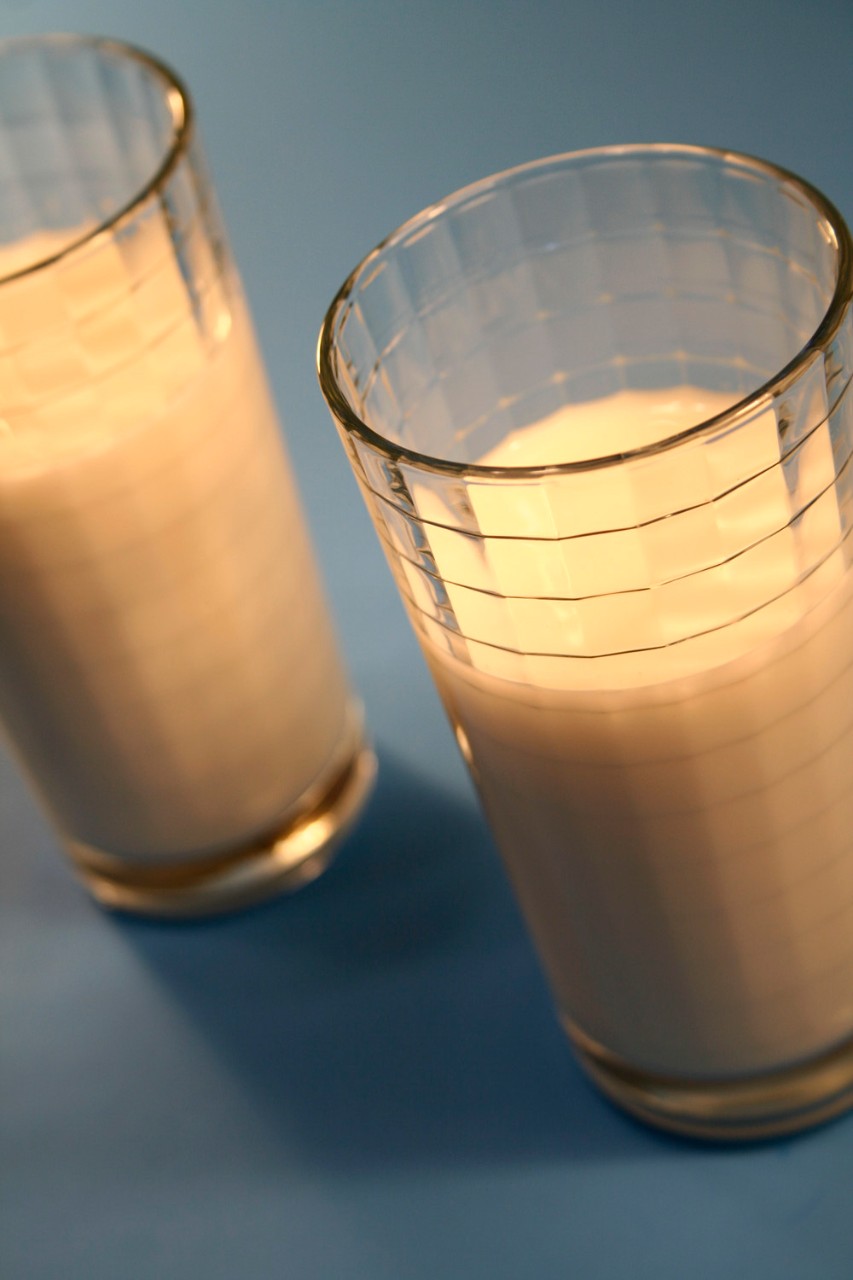
The new guidelines guarantee more fruits, veggies and whole grains on the lunch table; in addition, full-fat milk is off the menu, meaning kids will choose from low-fat or fat-free.
Lauri Erway Nandyal, MD, UC Health primary care physician who sees patients in Wyoming, says this is a good change in order to keep children eating healthier, lower-fat foods, but warns that, whether milk is part of a persons daily intake or not, vitamin D is necessary for healthy bones and bodies.
"Most kids dont do green vegetables, which are a source of calcium, so milk is the best option for vitamins and calcium, she says, adding that white milk is best, omitting the added sugar in chocolate or flavored milks, which may be as unhealthy as soda. "Nutrition in school is so important because some children arent getting the message about healthy eating at home.
"Schools should be held to higher standards and not reinforce poor eating choices.
But even with milk and veggies on the table, Nandyal says vitamin D is not available through many other food sources.
"We cant expect one or two cartons of milk to do the trick, she says. "Its a fatty fish-based product, so we can eat fish, but we also need to see vitamin D deficiency as less of a nutritional issue and more of a skin issue.
Nandyal explains that our bodies are designed to manufacture vitamin D through our skin and cautious exposure to sun is important, being careful to avoid burning.
"There are vitamin D supplements, which are often necessary in addition to the little we can get from our diets, but in my opinion, we need more public consensus about what amount of sun exposure is safe and necessary to get the amount of vitamin D that we need, she says, adding that during the winter months, the need for supplementation is important, since sun exposure is not feasible.
"Were trying to level the playing field, but saying that the same amount of sun exposure will produce sufficient vitamin D for everyone is untrue.
"No one should spend excess amounts of time in the sun, but depending on the amount of melanin in the skin and the amount of skin a person is willing to show, the amount of vitamin D able to be manufactured differs.
She adds that in an effort to be "colorblind, the same recommendations for sunscreen to pale people are often made for people of color.
"African-Americans are well pigmented and dont need to be slathered in the highest level SPF, she says. "Im not saying that sun screen should not be used; however, Im saying that we do need some sort of sun exposure to be healthy and receive some of the vitamin D that we need, and that it isnt a one-size-fits-all kind of solution.
"In fact, someone with a dark complexion needs about four times the amount of sun exposure to someone who has fairer skin.
And when it comes to the schoolyard, Nandyal says that in addition to milk, educators should try to hold outdoor PE classes, to allow some of that natural vitamin D absorption.
"There shouldnt be an expectation that milk will solve vitamin D deficiencies, she says. "In fact, milk isnt a natural source of vitamin D either. However, I think the nutrition push in schools is fantastic, and Im glad to see these efforts under way.
"I tell my patients to not think of food as fuel, but instead to think of it as datainformation being used to tell your body how to process and fix problems. We want to be sure that were putting in the right datathrough our mouths or our skinto achieve the best possible health.
Tags
Related Stories
UC radiation oncologist speaks with Local 12 news about clinical trial for head and neck cancer treatment
August 10, 2026

Dr. Sara Medek, a UC radiation oncology professor, speaks with Local 12 news about a new clinical trial aimed at reducing radiation in certain areas while still treating cancer effectively but with fewer painful side effects.
Cancer Center director charts future based on collaboration, AI
August 10, 2026

David Gius, MD, PhD, was featured in a Cincinnati Business Courier article and The Cancer Letter’s “The Directors" podcast discussing his priorities and goals as he recently took the helm as director of the University of Cincinnati Cancer Center.
Bidirectional link between oral, kidney health calls for patient education, access
August 4, 2026

Despite growing awareness of the connection between oral health and chronic health conditions, patient awareness and access to dental care remain limited, according to University of Cincinnati experts who recently spoke with Healio | Nephrology News & Issues.