Clark Works to Reduce Global Health Threat of Lead

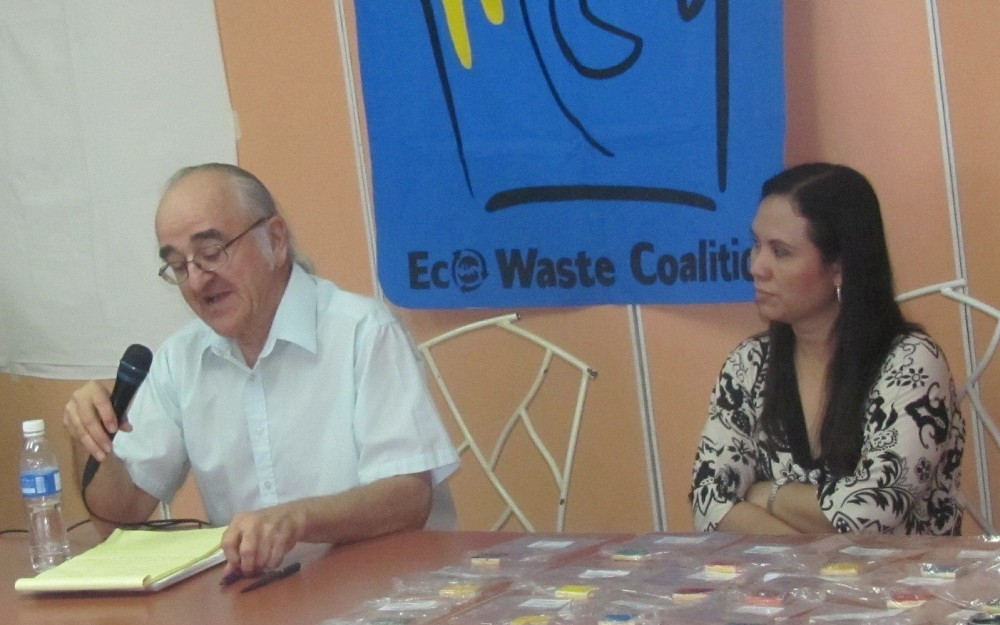
Scott Clark, PhD, recently traveled to the Philippines for the EcoWaste Coalition partners meeting to provide scientific support for the IPEN Asia Lead Elimination Project, an effort to introduce a global ban on the addition of lead to household decorative paints and in consumer products, such as toys, in Asian countries. The EcoWaste Coalition is a public interest network of community, church, school, environmental and health groups pursuing sustainable solutions to waste, climate change and chemical issues facing the Philippines and the world. Although lead content in paint has been restricted in the United States since 1978, Clarks research has shown that consumer paints containing dangerous levels of lead are still available in major countries, including the Philippines, on three continents. For more information, visit ecowastecoalition.org.
Tags
Related Stories
UC radiation oncologist speaks with Local 12 news about clinical trial for head and neck cancer treatment
August 10, 2026

Dr. Sara Medek, a UC radiation oncology professor, speaks with Local 12 news about a new clinical trial aimed at reducing radiation in certain areas while still treating cancer effectively but with fewer painful side effects.
Cancer Center director charts future based on collaboration, AI
August 10, 2026

David Gius, MD, PhD, was featured in a Cincinnati Business Courier article and The Cancer Letter’s “The Directors" podcast discussing his priorities and goals as he recently took the helm as director of the University of Cincinnati Cancer Center.
Bidirectional link between oral, kidney health calls for patient education, access
August 4, 2026

Despite growing awareness of the connection between oral health and chronic health conditions, patient awareness and access to dental care remain limited, according to University of Cincinnati experts who recently spoke with Healio | Nephrology News & Issues.