Sanghvi Memorial Lectureship Educates on the Mind-Body Interface in Health Care

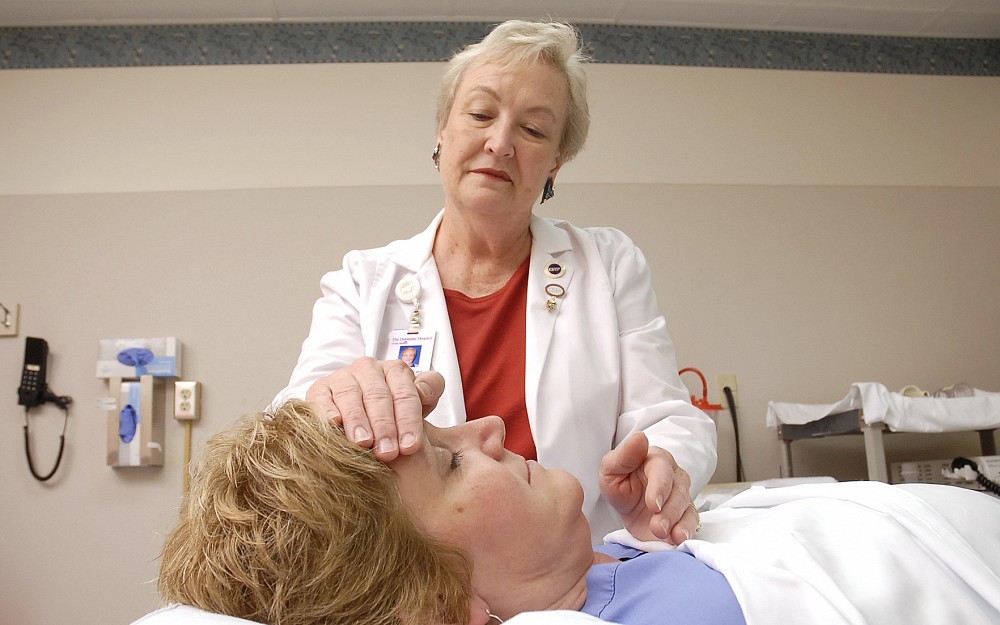
CINCINNATIThrough a gift from University of Cincinnati cardiologist Vijay Sanghvi, MD, and his daughters, UC has created an annual endowed lectureship with the goal of exposing health care professionals and interested community members to the importance and benefit of complementary medicine.
The lectureshi is titled "The Dr. Khushman V. Sanghvi Memorial Lectureship on the Mind-Body Interface in Health and Healing.
Sanghvi, an adjunct professor in the division of cardiovascular diseases at UC, provided the department of family and community medicine with seed funding to launch this lecture series in dedication to his wife, Khushman Sanghvi, also a physician, who lost her battle with cancer.
"She strongly believed in the interface between the mind and bodythe power of the mind to influence the body, he says, adding that she used complementary techniques throughout her treatment. "The mind has healing powers, but the question is how can we integrate and leverage the natural processes that our mind and body possess into traditional medical practices?
"As physicians, were not widely exposed to integrative and complementary practicesonly medicine and surgeryand we often dont have time to educate ourselves on these applications. If we can hear from these experts on how to use and understand these practices, we can educate ourselves and enhance our patients experiences and ultimately be more effective at what we do.
Sian Cotton, PhD, associate professor in the department of family and community medicine, faculty director of the lectureship and an outcomes researcher who has studied the benefits of complementary and integrative medicine, says there is a need for this type of education in medicine to improve the way future physicians practice and care for themselves.
"Conventional medicine focuses on pharmaceuticals and surgical applications to help patients, but complementary and alternative medicine practices, like relaxation or meditation, stress management techniques, healthy nutrition and lifestyle and other methods, have been shown to help both chronic and acute conditions. In medical school, students are not introduced to these concepts as a way to enhance treatment and improve overall wellness.
"This lectureship will help to bring awareness to the evidence for these integrative medicine techniques and will feature the latest practices and research to inform and also to improve patient and physician wellness.
"Were hopeful that this lecture series, possible because of Dr. Sanghvis gracious gift, will expose our community and our institution to a new and growing side of medicineone focused on prevention and wellness and on using all modalities to enhance health and well-being, Cotton continues. "Many patients are using these techniques anyway to cope with conditions.
"As medical practitioners, we need to be aware of the evidence behind these techniques and learn ways to incorporate them into our practice and into our own lives for best possible outcomes. Were excited for this opportunity to educate and learn more about integrative medicine here at UC and UC Health.
Tags
Related Stories
UC radiation oncologist speaks with Local 12 news about clinical trial for head and neck cancer treatment
August 10, 2026

Dr. Sara Medek, a UC radiation oncology professor, speaks with Local 12 news about a new clinical trial aimed at reducing radiation in certain areas while still treating cancer effectively but with fewer painful side effects.
Cancer Center director charts future based on collaboration, AI
August 10, 2026

David Gius, MD, PhD, was featured in a Cincinnati Business Courier article and The Cancer Letter’s “The Directors" podcast discussing his priorities and goals as he recently took the helm as director of the University of Cincinnati Cancer Center.
Bidirectional link between oral, kidney health calls for patient education, access
August 4, 2026

Despite growing awareness of the connection between oral health and chronic health conditions, patient awareness and access to dental care remain limited, according to University of Cincinnati experts who recently spoke with Healio | Nephrology News & Issues.