Free Skin Exams Available at Melanoma Awareness Event

CINCINNATIThe UC Cancer Institute will host a melanoma awareness reception on Wednesday, May 30, 2012, to educate the public about the deadly form of cancer. Free skin exams will be available to attendees.
According to the National Cancer Institute, more than 70,000 Americans are diagnosed with melanoma each year and an additional 1 million are diagnosed with non-melanoma skin cancer. Estimates suggest that up to 50 percent of Americans who live to age 65 will develop non-melanoma skin cancer at least once. Less than 2 percent will develop melanoma.
UC Health melanoma specialists will be onsite at the May 30 event to answer questions and share information about melanoma risks and warning signs. Melanoma survivors will also share their experiences with the disease.
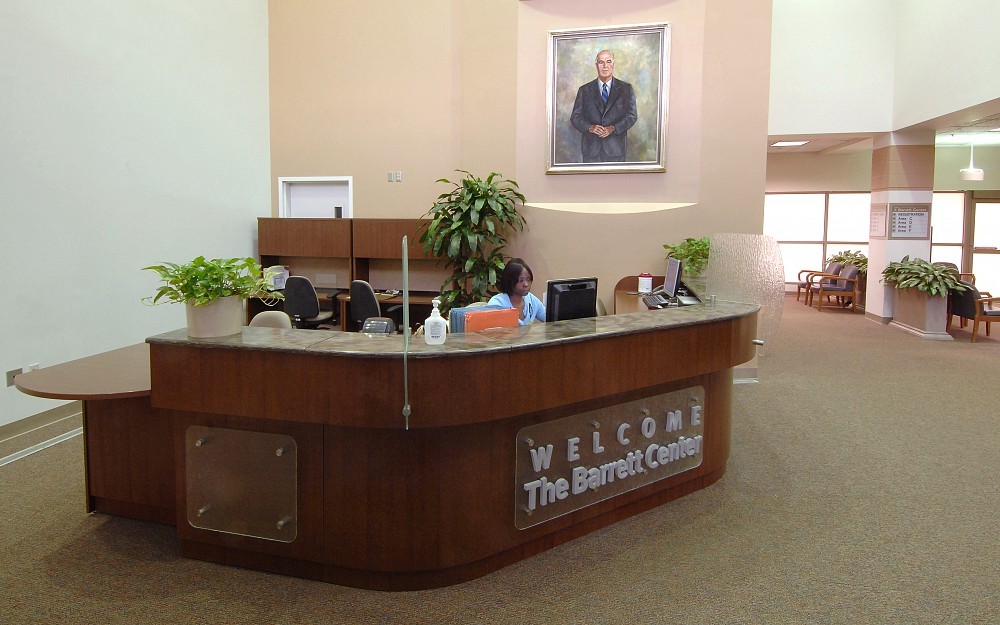
The event will occur at the UC Health Barrett Center, 234 Goodman St., in the second floor lobby from 6 to 7:30 p.m. Light refreshments will be provided and complimentary parking is available. For more information, call 513-584-8900.
To learn more about the UC Health melanoma care team, visit cancer.uc.edu.
Tags
Related Stories
UC radiation oncologist speaks with Local 12 news about clinical trial for head and neck cancer treatment
August 10, 2026

Dr. Sara Medek, a UC radiation oncology professor, speaks with Local 12 news about a new clinical trial aimed at reducing radiation in certain areas while still treating cancer effectively but with fewer painful side effects.
Cancer Center director charts future based on collaboration, AI
August 10, 2026

David Gius, MD, PhD, was featured in a Cincinnati Business Courier article and The Cancer Letter’s “The Directors" podcast discussing his priorities and goals as he recently took the helm as director of the University of Cincinnati Cancer Center.
Bidirectional link between oral, kidney health calls for patient education, access
August 4, 2026

Despite growing awareness of the connection between oral health and chronic health conditions, patient awareness and access to dental care remain limited, according to University of Cincinnati experts who recently spoke with Healio | Nephrology News & Issues.