Infants Exposed to Specific Molds Have Higher Asthma Risk

CINCINNATIIn the United States, one in 10 children suffers from asthma but the potential environmental factors contributing to the disease are not well known. Cincinnati-based researchers now report new evidence that exposure to three types of mold during infancy may have a direct link to asthma development during childhood.
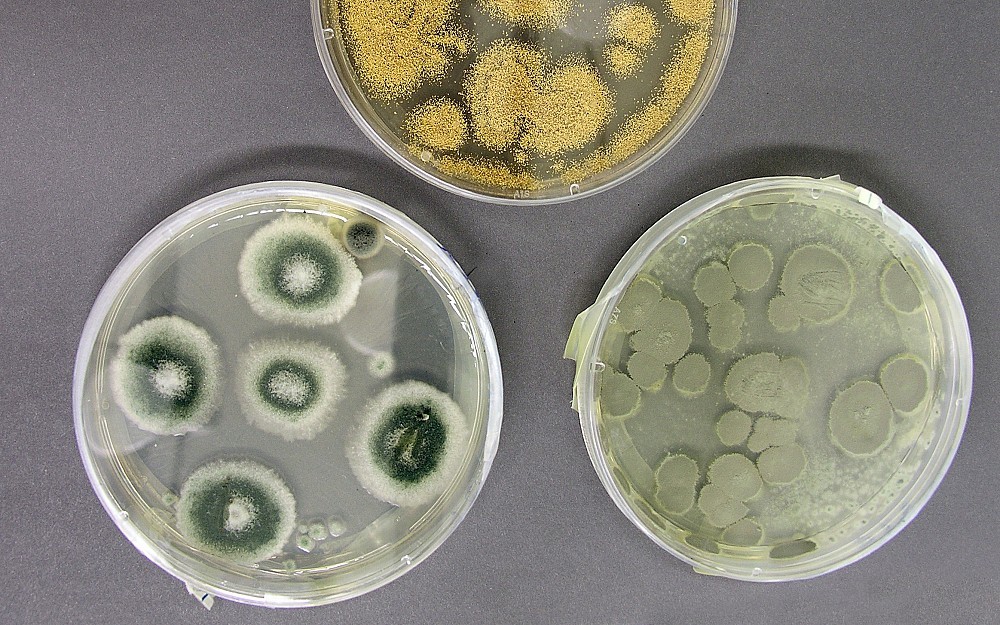
These forms of moldAspergillus ochraceus, Aspergillus unguis and Penicillium variabileare typically found growing in water-damaged homes, putting a spotlight on the importance of mold remediation for public health.
Lead author Tiina Reponen, PhD, and colleagues report these findings in the August 2012 issue of the Journal of Allergy and Clinical Immunology, the official scientific publication of the American Academy of Allergy, Asthma and Immunology.
In a long-term population study of nearly 300 infants,, researchers from the University of Cincinnati (UC), U.S. Environmental Protection Agency (EPA) and Cincinnati Childrens Hospital Medical Center assessed allergy development and the respiratory health of children annually for the first four years of life then again at age 7an early age for objective diagnosis of asthma in children. The team also monitored home allergens and mold. All infants enrolled in the study were born to at least one parent with allergies.
They found that 25 percent of children whose parents had allergies were asthmatic by age 7. Among the multiple indoor contaminants assessed, only mold exposure during infancy emerged as a risk factor for asthma at age 7.
"Previous scientific studies have linked mold to worsening asthma symptoms, but the relevant mold species and their concentrations were unknown, making it difficult for public health officials to develop tools to effectively address the underlying source of the problem, explains Reponen, who is a professor in the UC College of Medicines environmental health department.
The UC-based team used the environmental relative moldiness index (ERMI), a DNA-based mold level analysis tool, to determine that exposure to Aspergillus ochraceus, Aspergillus unguis and Penicillium variabile was linked to asthma development in the high-risk study population. The ERMI tool was developed by the EPA to combine analysis results of 36 different types of mold into one index that describes a homes cumulative mold burden.
"This is strong evidence that indoor mold contributed to asthma development and this stresses the urgent need for remediating water damage in homes, particularly in lower income, urban areas where this is a common issue, says Reponen. "Therapeutics for asthma may be more efficient if targeted toward specific mold species.
Children included in this study were part of the Cincinnati Childhood Allergy and Air Pollution Study (CCAAPS), a long-term population-based study of more than 700 children from the Greater Cincinnati area. CCAAPS looked at the effects of environmental particles on childhood respiratory health and allergy development. Participants were identified during infancy as at high risk to develop allergies based on family medical history
Co-authors of the studywhich was partially funded by the U.S. Department of Housing and Urban Development and National Institute of Environmental Health Sciencesinclude UC environmental faculty members James Lockey, MD, David Bernstein, MD, Linda Levin, PhD, Sergey Grinshpun, PhD, Manuel Villareal, MD, Shu Zheng, PhD, and Grace LeMasters, PhD, principal investigator of CCAAPS. Stephen Vesper, PhD, of the EPA, and GurjitKhurana Hershey, MD, PhD, Patrick Ryan, PhD, of Cincinnati Childrens Hospital Medical Center, also contributed to this study.

Tiina Reponen, PhD, is a professor of environmental health in UC's division of occupational health and hygeine.
Related Stories
On-site training in Speech & Hearing Clinic sets UC’s programs apart
August 27, 2026
At the University of Cincinnati’s Speech & Hearing Clinic, Doctor of Audiology and Speech-Language Pathology graduate students gain real-world experience while providing free speech and hearing services to the community.
Designing with cancer patients' needs in focus
August 27, 2026
Kristina Shin is designing garments that prioritize the comfort, function and confidence of breast cancer patients, addressing a need often overlooked by traditional fashion.
UC, NKU renew longstanding partnership supporting Army ROTC cadets
August 26, 2026
The University of Cincinnati Army ROTC and Northern Kentucky University (NKU) have renewed a longstanding partnership that supports students preparing to become Army officers and leaders in their communities. The universities formalized the renewed agreement during a signing event Aug. 11 at NKU.