UC Leading First Multicenter Trial Studying Steroid and CNI Immunosuppression Withdrawal Post-Transplant

CINCINNATIThe University of Cincinnati will lead a $5.2 million national trial studying removal of both corticosteroids and common immunosuppression treatments from the post-transplant drug regimen for kidney transplant patients.
The Belatacept Early Steroid withdrawal Trial (BEST) seeks to determine if a belatacept-based regimen for post-transplant patients can prevent organ rejection without the harmful side effects posed by corticosteroids and calcineurin inhibitor (CNI) immunosuppressants. Belatacept is a modified version of the drug abatacept, which is used to treat rheumatoid arthritis.
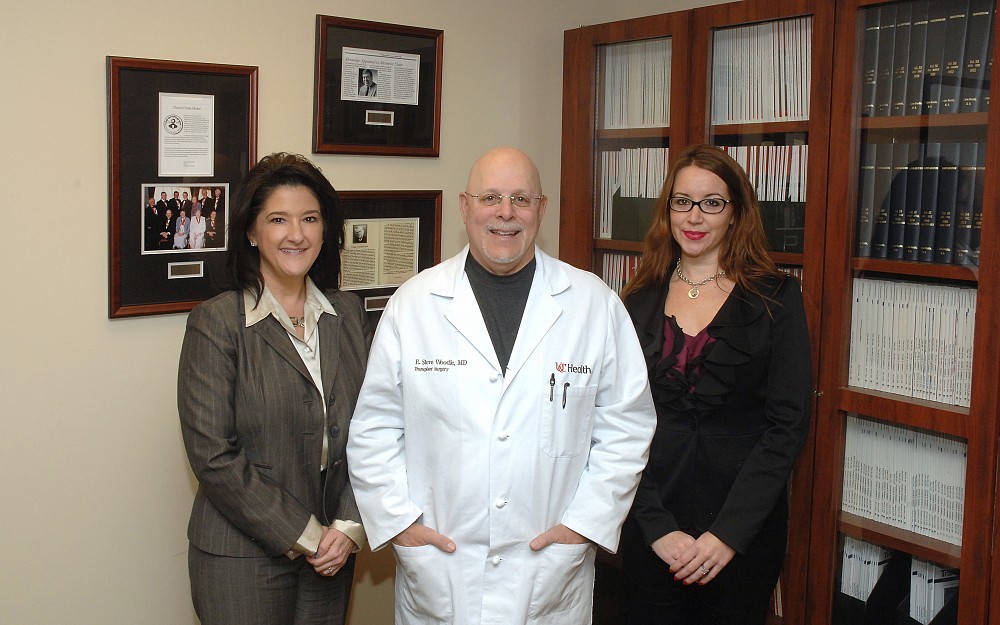
Led by principal investigator and director of UCs division of transplantation E. Steve Woodle, MD, the $5.2 million trial will be carried out at four other transplant centers across the country: University of Wisconsin, University of Minnesota, California Pacific Medical Center and the Christ Hospital in Cincinnati.
The BEST study is the first large, multicenter trial to remove both corticosteroids and CNIs from a patients drug regimen after kidney transplantation. Both drugs place patients at an increased risk of cardiovascular disease, high blood pressure, high cholesterol and diabetes. Additionally, CNIs have shown toxicity to transplanted kidneys.
"Cardiovascular events like stroke and heart attacks are the top cause of death for both the general population and transplant patients, says Woodle, who also serves as William A. Altemeier Chair in the UC Department of Surgery. "Weve previously demonstrated that early steroid withdrawal results in reduced cardiovascular events and increased graft survival in transplant patients.
Rita Alloway, PharmD, research professor of medicine and director of transplant clinical research within the UC Department of Internal Medicine, will direct the coordinating center for the trial. She says belatacept was approved by the Food and Drug Administration in 2011 for prevention of rejection in kidney transplant patientsthe first FDA-approved drug to replace CNIs like tacrolimus and cyclosporine.
"This trial is a major step forward in immunosuppression because it provides a means to avoid many of the toxicities of the CNI drugs, particularly kidney toxicity, high blood pressure, and hyperlipidemia, says Alloway.
Adele Shields, PharmD, associate research professor of surgery with clinical practice at the Christ Hospital, has specialized in quantitating the impact of long-term immunosuppression on cardiac risk factors and cardiac events.
"An important feature of the belatacept-based treatment regimen is that it provides an opportunity to greatly minimize cardiovascular risk in the long term, she says. "By avoiding both CNIs and corticosteroids, this trial provides an opportunity to substantially impact long-term patient survival following kidney transplantation.
The trial seeks to enroll 315 new kidney transplant patients across all centers. Enrollment will begin December 2012.
This study is funded by Bristol Myers Squibb. The IND is held by Woodle, however research support for study conduct is provided by Bristol Myers Squib (BMS), manufacturer of belatacept. Woodle and other investigators report no financial interest in BMS. Woodle has previously received consulting compensation from BMS and Genzyme, manufacturer of Thymoglobulin.
Tags
Related Stories
UC radiation oncologist speaks with Local 12 news about clinical trial for head and neck cancer treatment
August 10, 2026

Dr. Sara Medek, a UC radiation oncology professor, speaks with Local 12 news about a new clinical trial aimed at reducing radiation in certain areas while still treating cancer effectively but with fewer painful side effects.
Cancer Center director charts future based on collaboration, AI
August 10, 2026

David Gius, MD, PhD, was featured in a Cincinnati Business Courier article and The Cancer Letter’s “The Directors" podcast discussing his priorities and goals as he recently took the helm as director of the University of Cincinnati Cancer Center.
Bidirectional link between oral, kidney health calls for patient education, access
August 4, 2026

Despite growing awareness of the connection between oral health and chronic health conditions, patient awareness and access to dental care remain limited, according to University of Cincinnati experts who recently spoke with Healio | Nephrology News & Issues.