HIV Testing Program Receives Grant to Partner With Community Organizations, Increase Testing

CINCINNATIThe University of Cincinnati (UC) HIV Early Intervention Program (EIP) has received a new Ohio Department of Health grant to greatly expand its HIV testing program by partnering with 10 community-based nonprofits.
The new "EIP-Community Testing Network aims to link community organizations and social networks to perform 1,000 HIV tests focusing on African-American youth and MSM (men who have sex with men) of any race in Hamilton County.
The grant, for $140,000 for 15 months, will pay for UCs EIP to integrate counselor-based testing into 10 community-based organizations throughout the region.
The EIP program has signed eight community nonprofit organizations so far, including Lighthouse Youth Services, St. Josephs Orphanage, Talbert House, Drop Inn Center, Freestore Foodbank, Central Community Health Board, Our Daily Bread, and St. Vincent de Paul.
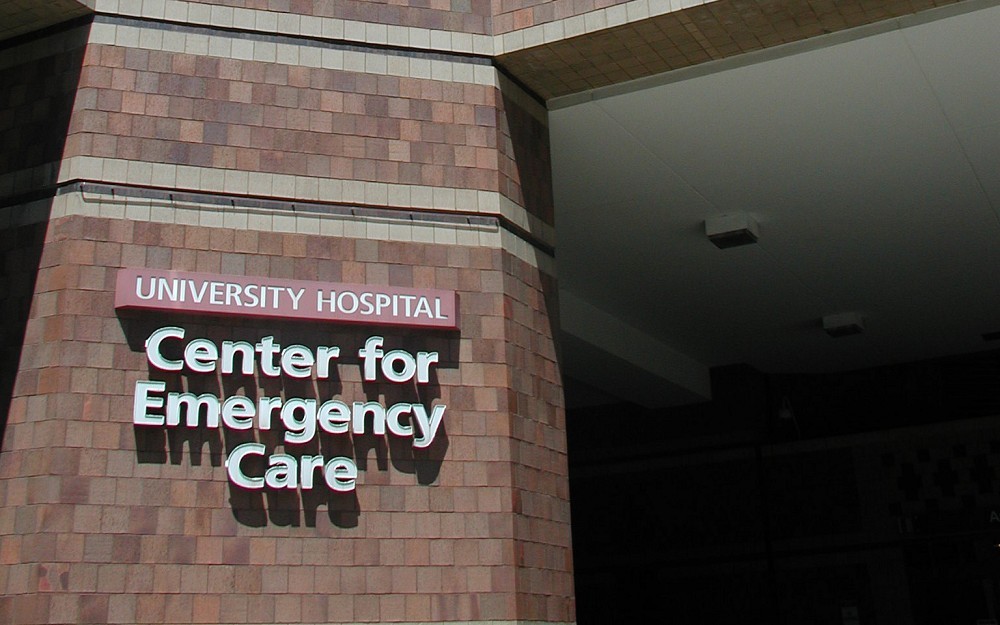
"These organizations serve various needs for Cincinnatis young African-American populationbehavioral health needs, substance abuse counseling, food shelters and social outlets, says Andrew Ruffner, director of the Early Intervention Program, based within UC Health University Hospitals Center for Emergency Care. "By partnering with them, we can reach patients who may not be seen in the emergency department and engage the staff of our community partners in HIV prevention to make referrals into the testing program. Focusing attention on these populations will ultimately have the largest impact on regional transmission rates over the long term.
Nationally, the Centers for Disease Control reports HIV infections among young, African-American MSM grew 48 percent from 2006 to 2009the only group to experience a statistically significant increase in new infections.
"There is a particular need in our community for the services offered through UCs EIPCommunity Testing Network, says Roland Kocsis, director of Lighthouse on Highland, a youth shelter and resource center that also performs street outreach for homeless young people. "It will help meet the needs of the high-risk young people who we see every day, including those who are experiencing sexual abuse, assault or exploitation, GLBT youth, and youth experiencing mental, behavioral or substance use difficulties. We feel this new collaborative will provide the type of outreach and support necessary to link these individuals to timely and high-quality care.
In addition to placing an Ohio Department of Health-certified EIP counselor at each network center, organization staff will be trained to refer patients to the EIP counselor for HIV counseling and testing services.
"Organizations have gone out into the community to provide HIV testing for years, says Ruffner. "The difference with this grant is that were training staff in these community organizations to engage in risk-reduction messaging to their clients and to refer them to testing when they are at a high risk for the disease.
The grant also includes a social network aspectMSM tested by an EIP network counselor have the option to participate in a peer referral program, utilizing their existing social networks to reach partners or peers who may not have been tested for HIV.
"One of the biggest difficulties in reaching out to young MSMs, is that they may not identify as gay, says Ruffner, "so theres not a central place or existing community where you can reach them.
The EIP-Community Testing Network program will be run using a database developed by University of Cincinnati Information Technology (UCIT) for tracking clients testing history, the relationship among testers and managing their linkage to care.
As part of the grant, the Central Community Health Board will assist with staff training at the testing sites, training organization staff on how to engage with clients and discuss HIV testing with risk reduction.
Local agency IV-CHARIS will assist with testing and counseling. The partner organizations also will form an advisory council to continuously renew the programs efforts and outcomes.
Tags
Related Stories
UC study shows lack of awareness for lung cancer screenings across country
August 21, 2026
University of Cincinnati Cancer Center researchers have published a study in the American Journal of Surgery that found only 15% of eligible American adults have discussed lung cancer screening with their doctors.This research emphasizes the need to spread awareness and better educate the public about screening through low-dose computed tomography.
UC radiation oncologist speaks with Local 12 news about clinical trial for head and neck cancer treatment
August 10, 2026

Dr. Sara Medek, a UC radiation oncology professor, speaks with Local 12 news about a new clinical trial aimed at reducing radiation in certain areas while still treating cancer effectively but with fewer painful side effects.
Cancer Center director charts future based on collaboration, AI
August 10, 2026

David Gius, MD, PhD, was featured in a Cincinnati Business Courier article and The Cancer Letter’s “The Directors" podcast discussing his priorities and goals as he recently took the helm as director of the University of Cincinnati Cancer Center.