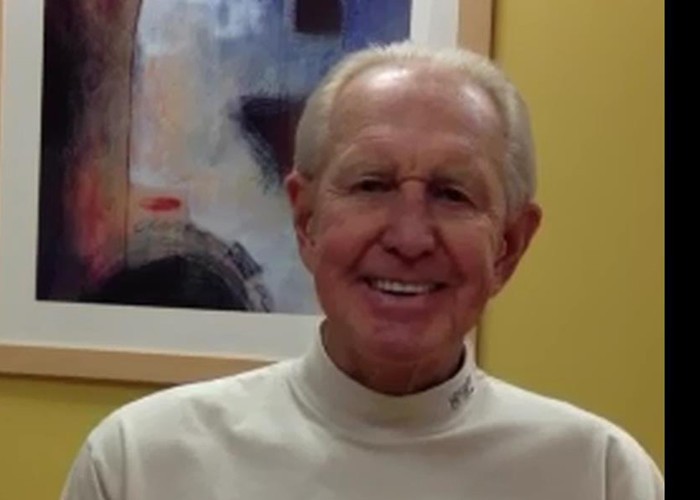
Infectious Diseases Experts Help Former Bearcats Basketball Star Overcome MRSA

To sports lovers or true Cincinnatians, Connie Dierking is a known name.
Dierking, 76, played basketball for the UC Bearcats from 1954 through 1958 and then went on to play professionally for the Cincinnati Royals and other teams.
However, all of those years of running the court took a toll on his knees, and about three years ago, he needed replacementsa common procedure.
"After the surgery, I had pain in one knee, and they thought they could go in with a scope and see what the problem was, he says, adding that doctors reopened the incision but didnt see any problems. "I began to feel like I was recovering, but about 10 days later, I started feeling terrible. I had a high fever and just felt completely out of it.
Dierking went to the emergency room and was admitted to the hospital where doctors found the problem: methicillin-resistant
Staphylococcus aureus
, or MRSA.
MRSA is a "staph germ that does not get better with the first-line antibiotics that usually cure staph infections. Once the staph germ enters the body, it can spread to bones, joints, the blood or any organ.
"It was quite alarming, but they suggested I see Dr. (Carl) Fichtenbaum, who treated me immediately and got me on the road to recovery, Dierking says. "Hes got a great demeanor, and in addition to being a good doctor, he became my friend through this process.
Fichtenbaum, MD, a professor in the division of infectious diseases at UC and a UC Health infectious diseases expert, says post-operative infections are not uncommon with most being minor and easy to treat.
"Whenever you make an incision in the skin there is always a chance of infection, says Madhuri Sopirala, MD, associate professor of infectious diseases and director of infection control at University of Cincinnati Medical Center who is working on a research project with surgeons to reduce the chance of infection after an operation.
"This is a part of what we do in infectious diseases: work with surgeons to cure infections after operations and develop ways to prevent them, Fichtenbaum continues. "Connie had knee pain, got surgery and then got an infection. We figured it out, got him on the right treatment, and now, hes doing pretty good.
Dierking says he received daily injections with high-strength antibiotics for several months then took some orally. Now, he continues his active life, working at Aimia and golfing when he gets a chance. "It was hard to stay out of the sun during my treatment, he says, adding that a side effect of antibiotics is increased sun sensitivity. "I am a sun worshipper.
"It was a scary, terrible thing to endure, but I always knew I was in the right hands, he says. "They still keep an eye on me because when you have prosthesis, MRSA can lay dormant for years, so I must have follow-up visits, but I dont mindits always great to see the physicians and team who helped me so much.
"Dr. Fichtenbaum related to me in a way that made me feel right at home. Im thankful for his kindness, and I am forever grateful for the care I received at UC Health.
*Connie Dierking passed away in December 2013 at the age of 77. More information available at

Carl Fichtenbaum, MD, with a patient.
Tags
Related Stories
UC radiation oncologist speaks with Local 12 news about clinical trial for head and neck cancer treatment
August 10, 2026

Dr. Sara Medek, a UC radiation oncology professor, speaks with Local 12 news about a new clinical trial aimed at reducing radiation in certain areas while still treating cancer effectively but with fewer painful side effects.
Cancer Center director charts future based on collaboration, AI
August 10, 2026

David Gius, MD, PhD, was featured in a Cincinnati Business Courier article and The Cancer Letter’s “The Directors" podcast discussing his priorities and goals as he recently took the helm as director of the University of Cincinnati Cancer Center.
Bidirectional link between oral, kidney health calls for patient education, access
August 4, 2026

Despite growing awareness of the connection between oral health and chronic health conditions, patient awareness and access to dental care remain limited, according to University of Cincinnati experts who recently spoke with Healio | Nephrology News & Issues.