HEALTH LINE: Animal Bites Need Prompt Attention

CINCINNATIIn March 2013, the subject of rabies gained national attention when a Maryland man died after contracting rabies from his kidney donoran incident so unlikely that donors are not routinely screened for the virus.
"It wasnt on anyones radar because rabies is so rare in the United States, says Rebecca Lee, PhD, an assistant professor at the University of Cincinnati College of Nursing and a public health clinical nurse specialist. "All potential organ donors in the United States are screened and tested to identify any potential risk for infectious disease. In this case, no exposure to rabies had been reported.
Rabies is rare, Lee says, because over the last century the way in which people contract rabies in the United States has changed, due to the implementation of public health disease prevention measures. Prior to 1960, she says, the majority of rabies cases in the US were caused by domestic animal bites, mostly from dogs. The number of human cases began to reduce greatly, she says, when animal control measures, such as leash laws and having household pets vaccinated for rabies, were instituted.
"Its not like it was when I was a child, when we were scared of catching rabies from our neighbors dog, she says.
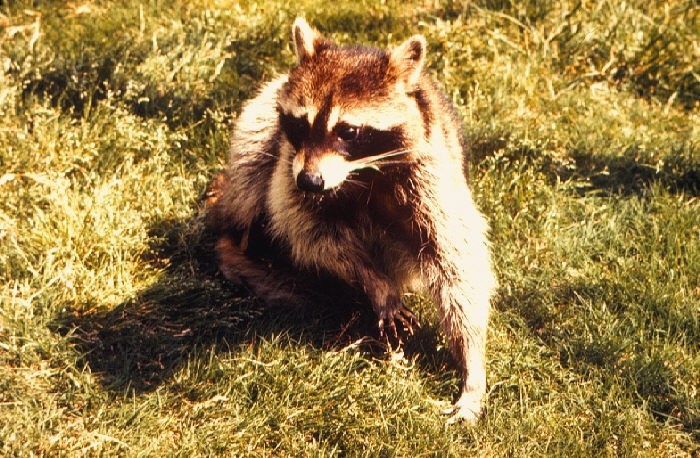
According to the Centers for Disease Control and Prevention, the number of rabies-related human deaths in the United States has declined from more than 100 annually at the turn of the century to one or two per year, with the principal rabies hosts being wildlife, carnivorous mammals like skunks, raccoons and bats. Transmission is most often from animal to human through saliva and usually occurs through a bite, but the virus can be transmitted through a scratch or scrape.
Where there are human fatalities associated with rabies in the U.S., its most often attributed to people who were unaware of their exposure or those who fail to seek timely medical assistance. Although the numbers of people in the U.S. who are exposed to rabies is very low, and rabies is 100 percent preventable with a series of inoculations after exposure, its better to be safe than sorry when it comes to animal bites, says Lee.
"You need to look at yourself and your risk profile. Rabies can be treated if you recognize it early on, Lee says, pointing to symptoms that on their own might mean you have the common flu bug, but when associated with an animal bite could point to rabies: fever, headache, and lethargy. These symptoms can arise early after the bite, or take months to develop, but if the disease is allowed to develop the symptoms also advance: pain at the bite site, hallucinations, strong tightening in the throat or paralysis. The later stages, she says, are almost always associated with certain death. "Thats why you dont want to take any chances with an animal bite have it evaluated by trained medical professionals.
Some precautions Lee recommends:
Stay away from stray and wild animals, especially those who are displaying unnatural behavior, such as unusual friendliness.
Children are often at greatest risk of rabies exposure, so make sure they understand basic rules for protecting themselves from unfamiliar or wild animals.
Protect your pets by having them vaccinated and feeding them indoors so as not to attract other animals.
If you or a family member is bitten, wash the site thoroughly with soap and water and seek medical attention, either from your doctor or through the emergency department of a nearby hospital.
Know the animal control contact information for your area and report a suspicious acting animal (increased drooling, loss of coordination, a nocturnal animal out in the daytime).
And, if bitten, have no fear of the treatment, Lee says. "Advances in medicine have greatly reduced the number of rabies shots necessary from dozens to a half dozen or less, with administration of the shot in the arm instead of the stomach.
Tags
Related Stories
UC radiation oncologist speaks with Local 12 news about clinical trial for head and neck cancer treatment
August 10, 2026

Dr. Sara Medek, a UC radiation oncology professor, speaks with Local 12 news about a new clinical trial aimed at reducing radiation in certain areas while still treating cancer effectively but with fewer painful side effects.
Cancer Center director charts future based on collaboration, AI
August 10, 2026

David Gius, MD, PhD, was featured in a Cincinnati Business Courier article and The Cancer Letter’s “The Directors" podcast discussing his priorities and goals as he recently took the helm as director of the University of Cincinnati Cancer Center.
UC graduates cross finish line at commencement
August 7, 2026
The University of Cincinnati recognized 2,125 graduates in two ceremonies at summer commencement Friday on campus at Fifth Third Arena.