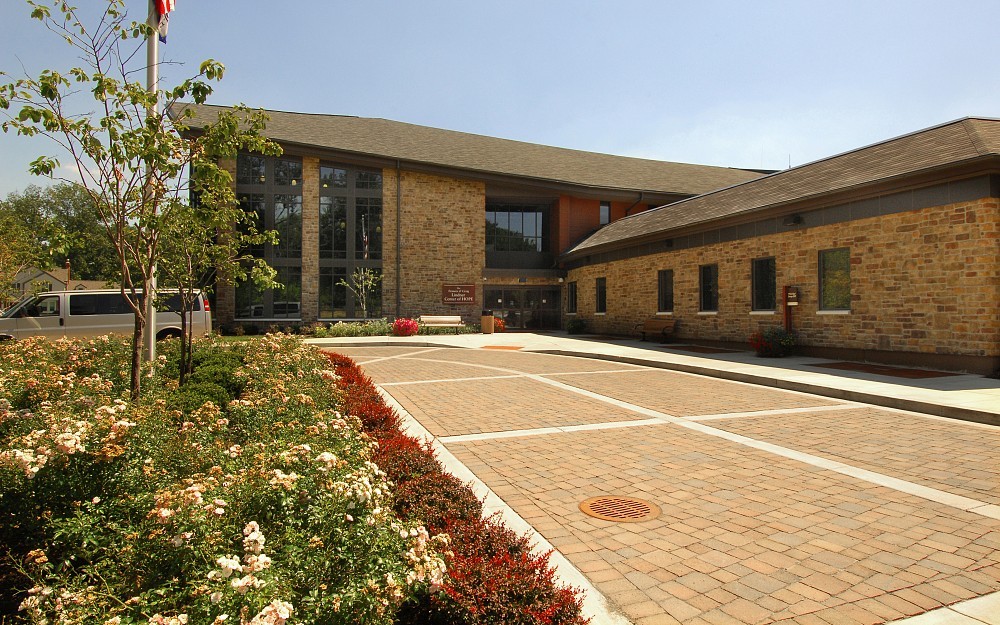
Lindner Center of HOPE Site of Non-Drug Depression Treatment Study

CINCINNATIFor more than 4 million Americans, the symptoms of depression are not relieved by the use of antidepressant medications. This class of depression falls into one of two categories, treatment resistant depression (TRD) or treatment intolerant depression (TID).
The TRD group often tries and fails several different types of medicationseither alone or in combinationwhile the TID group has medication side effects so debilitating that they cannot tolerate the treatment.
For these patients, a new type of treatment is being studied at Lindner Center of HOPE, led by John Hawkins, MD, chief of psychiatry at the center. The technology, called multicoil repetitive transcranial magnetic stimulation (rTMS) or simply TMS, is a non-medication, non-systemic and non-invasive approach to treating depression.
The trial is funded by Cervel Neurotech, Inc., a medical device company based in Redwood City, Calif. The purpose of the study is to determine whether the Cervel Neurotech rTMS device is safe and effective in the treatment of depression in people who do not get better with antidepressant medications or cannot take antidepressant medications.
"TMS offers patients that either do not respond to, or cannot tolerate medication, a new treatment option, Hawkins says. "Our clinic is currently studying a new approach to this technology and we are hopeful that it will provide relief for these patients that have been suffering from depression in some cases for several years.
Lindner Center of HOPE, a mental health center in Mason, Ohio, is a partnership with UC Health. Its clinicians and therapists are members of the faculty of the UC College of Medicines Department of Psychiatry and Behavioral Neuroscience. Hawkins is an adjunct assistant professor in the department.
Depression is thought to occur because of less than optimal chemical activity in the brain. The TMS treatment under study by Hawkins and his team uses multiple magnetic fields, generated by coils placed on a patients scalp, to stimulate specific brain regions both on the surface and in deeper regions of the brain.
This research is important in understanding whether TMS treatment restores normal brain chemical activity, thereby reducing the symptoms of depression. To date, more than 100 patients have been studied using this approach without the occurrence of serious side effects related to the device.
Hawkins reports no financial conflict of interest with Cervel Neurotech.
Related Stories
UC radiation oncologist speaks with Local 12 news about clinical trial for head and neck cancer treatment
August 10, 2026

Dr. Sara Medek, a UC radiation oncology professor, speaks with Local 12 news about a new clinical trial aimed at reducing radiation in certain areas while still treating cancer effectively but with fewer painful side effects.
Cancer Center director charts future based on collaboration, AI
August 10, 2026

David Gius, MD, PhD, was featured in a Cincinnati Business Courier article and The Cancer Letter’s “The Directors" podcast discussing his priorities and goals as he recently took the helm as director of the University of Cincinnati Cancer Center.
UC graduates cross finish line at commencement
August 7, 2026
The University of Cincinnati recognized 2,125 graduates in two ceremonies at summer commencement Friday on campus at Fifth Third Arena.