FDA Awards $2.25M Grant to Study Immunosuppresive Drug in High-Risk Patients

CINCINNATITransplant researchers at the University of Cincinnati (UC) have received a grant from the U.S. Food and Drug Administration to study the safety and efficacy of a generic immunosuppressive drug in high-risk transplant patients.
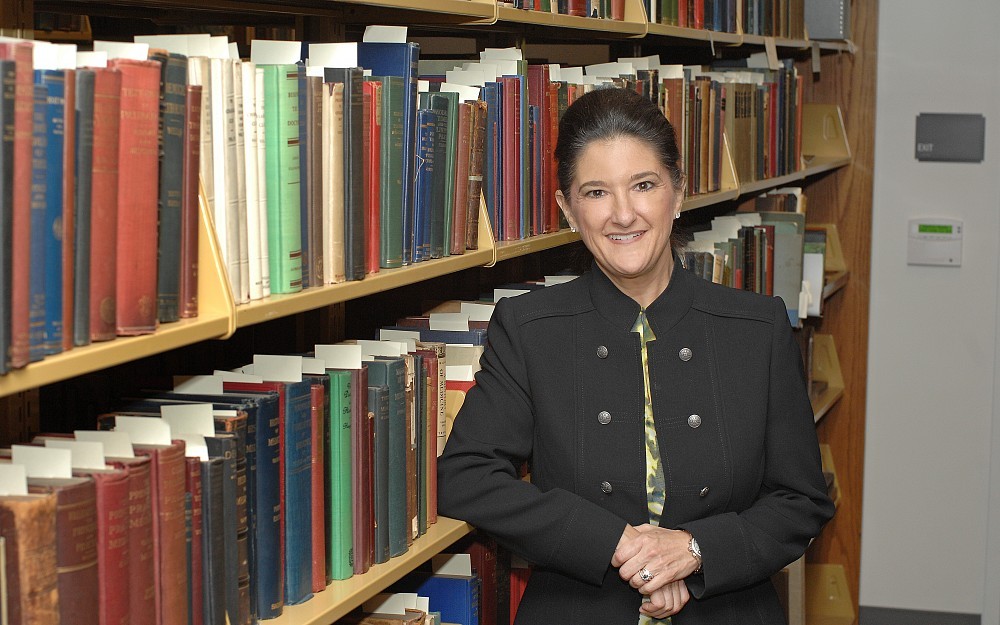
Rita Alloway, PharmD, UC research professor of medicine and director of transplant clinical research within the UC Department of Internal Medicine, received a $2.25 million FDA grant to run two clinical trials studying the effects of immunosuppressant tacrolimus (Prograf and generics) in high-risk transplant patients.
Tacrolimus is a "cornerstone drug in post-transplant immunosuppression, used after transplant to reduce the activity of the patients immune system and lower the risk of rejection. Generic versions were introduced in 2009. Currently Alloway estimates more than 70 percent of transplant patients are dispensed generic tacrolimus.
"The largest concern for clinicians is the switchability between various generics, says Alloway. "When patients receive their prescription, they could be getting medication from different manufacturers each month. Most immunosuppressant drugs require individualized dosing and careful management to ensure the proper blood concentrations are maintainedtoo high exposure to these drugs increases the risk of toxicity, over-immunosuppression and cancer in patents. Too low exposure may lead to rejection of the organ by the patients immune system.
The three-year grant will support retrospective and prospective studies in high-risk transplant recipients who have converted from branded tacrolimus to a generic version.
In the retrospective study, transplant recipients will be assessed one year prior and one year post conversion to the generic, with researchers assessing their tacrolimus dose changes, incidence of rejection, hospital admission, changes in renal function and changes in transplanted organ function.
The prospective study will compare the bioavailability and steady-state pharmacokinetics of six tacrolimus formulations in a six-way cross-over study. This study will compare patients who express the CYP3A5 enzyme and those who do not, as CYP3A5 expressors have been shown to require larger doses of tacrolimus to attain therapeutic blood concentrations.
Preliminary data from Alloways tacrolimus research has suggested a link between CYP3A5 expression and peak tacrolimus levels after dosing in generic tacrolimus formulations.
"This study will analyze an enriched patient population based upon genetic factors which predispose the patient to be high risk and most likely to experience problems with generic switching if problems exist, states Alloway.
In 2012, Alloway received a $2.7 million grant from the FDA to study whether the two most disparate generic versions of tacrolimus are bioequivalent to the branded, or innovator, version of the drug in stable transplant patients.
"The results of these studies should address public concerns regarding the use of generic tacrolimus formulations in transplant recipients and provide the transplant clinician and recipients with objective data to address their concerns, she says.
Tags
Related Stories
UC radiation oncologist speaks with Local 12 news about clinical trial for head and neck cancer treatment
August 10, 2026

Dr. Sara Medek, a UC radiation oncology professor, speaks with Local 12 news about a new clinical trial aimed at reducing radiation in certain areas while still treating cancer effectively but with fewer painful side effects.
Cancer Center director charts future based on collaboration, AI
August 10, 2026

David Gius, MD, PhD, was featured in a Cincinnati Business Courier article and The Cancer Letter’s “The Directors" podcast discussing his priorities and goals as he recently took the helm as director of the University of Cincinnati Cancer Center.
Bidirectional link between oral, kidney health calls for patient education, access
August 4, 2026

Despite growing awareness of the connection between oral health and chronic health conditions, patient awareness and access to dental care remain limited, according to University of Cincinnati experts who recently spoke with Healio | Nephrology News & Issues.