HEALTH LINE: Elderly With Diabetes Need Individualized Treatment

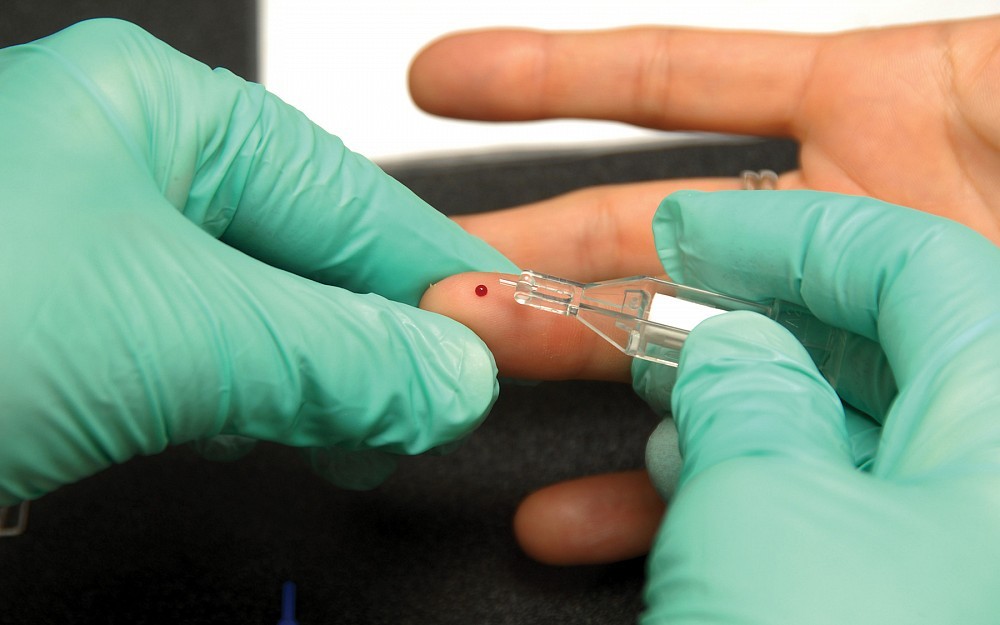
CINCINNATI"Tight control is something we hear a lot about when it comes to diabetes. The practice of tightly controlling blood glucose (blood sugar) levels can help people with diabetes to prevent or slow down the development of many of the diseases complications.
But tight control isnt necessarily for everyone, says UC Health endocrinologist Abid Yaqub, MD, adding that the elderly, especially, may not benefit from the tight control encouraged for younger generations of people with diabetes.
"There are a number of diabetes treatment dos that should be thought through more carefully in older patients with diabetes, says Yaqub, medical director of endocrinology at West Chester Hospital and associate professor of medicine at the University of Cincinnati.
With nearly 11 million people in the U.S. over age 65 with diabetesmore than a quarter of all people in this entire age groupYaqub says consideration of individualized approaches to diabetes care is in order.
"Tight control focuses on keeping blood sugar as close to normal as possible at all times, and studies have shown that patients with a mission of tight control experience a higher incidence of low blood sugar, or hypoglycemia, he says.
Low blood sugar can be a problem for any diabetes patient, Yaqub adds, but in the elderly, it can be particularly problematic.
"Intensive glycemic control in elderly diabetic patients with cardiovascular risk factors has been associated with increased death, Yaqub says. "And severe hypoglycemia can have cardiovascular and neurological consequences more marked in elderly patients.
Additional things to consider when it comes to tight control include:
Falls. Low blood sugar can lead to falls, which can complicate diabetes care and affect an older patients independence.
Medication adherence and "polypharmacy. Because tight control is often achieved through medication, medication adherence can be problematic, as elderly patients often suffer from vision and dexterity problems.
"In addition, elderly patients often take multiple medicationssomething we term polypharmacyso ensuring medications are properly managed becomes extremely important, Yaqub says.
Diet and physical activity. Both are key to blood sugar regulation, but older patients are more likely to suffer from depression, which can contribute to poor eating habits, and constraints on mobility can affect a persons ability to exercise.
The right plan for managing diabetes in older patients, Yaqub says, will depend upon a more personalized approach to setting targets for blood sugar control and designing treatment regimens for achieving these targets.
Tags
Related Stories
UC radiation oncologist speaks with Local 12 news about clinical trial for head and neck cancer treatment
August 10, 2026

Dr. Sara Medek, a UC radiation oncology professor, speaks with Local 12 news about a new clinical trial aimed at reducing radiation in certain areas while still treating cancer effectively but with fewer painful side effects.
Cancer Center director charts future based on collaboration, AI
August 10, 2026

David Gius, MD, PhD, was featured in a Cincinnati Business Courier article and The Cancer Letter’s “The Directors" podcast discussing his priorities and goals as he recently took the helm as director of the University of Cincinnati Cancer Center.
Bidirectional link between oral, kidney health calls for patient education, access
August 4, 2026

Despite growing awareness of the connection between oral health and chronic health conditions, patient awareness and access to dental care remain limited, according to University of Cincinnati experts who recently spoke with Healio | Nephrology News & Issues.