Study Exposes Risk of Nutritional Deficiencies in Obese Teens

CINCINNATI -- A new study exposes the risk of nutritional deficiencies in severely obese teens both those who had weight loss surgery and those who did not.
At least five years after undergoing gastric bypass surgery, teens and young adults maintained significant weight loss but were at risk of nutritional deficiencies, particularly low iron, mild anemia and low vitamin D. The study also found low iron and low vitamin D in severely obese teens who did not undergo weight loss surgery.
Those who didnt have surgery also had low levels of protein in their blood.
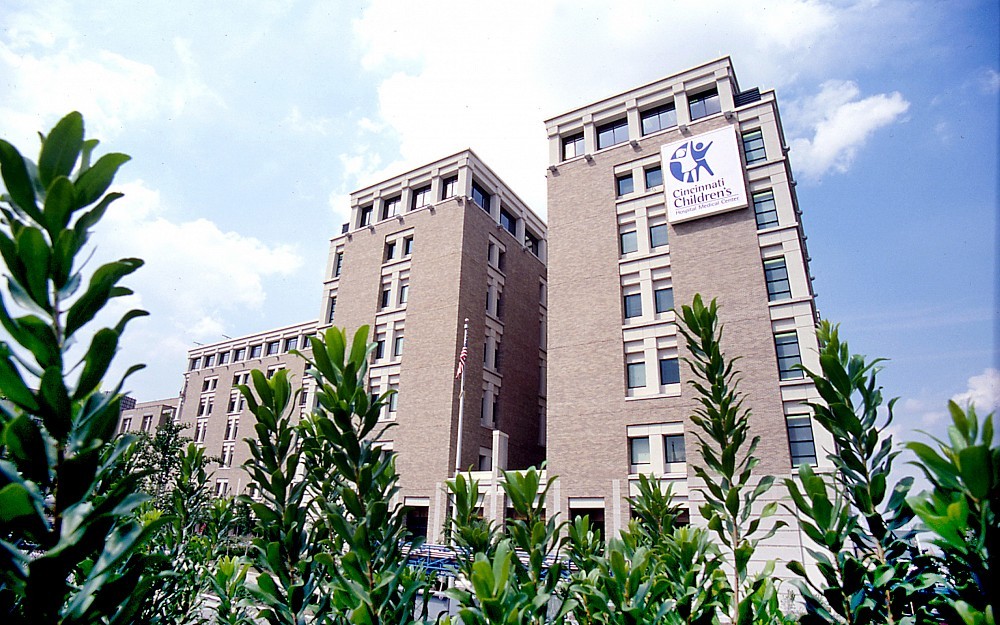
The Cincinnati Childrens Hospital Medical Center study will be presented Sunday, May 4, at the annual meeting of the Pediatric Academic Societies in Vancouver, Canada. The study is believed to be the first study to compare the nutritional status of severely obese teens who did not undergo weight loss surgery to those who did have surgery.
"We knew there were nutritional difficulties in teens who had undergone bariatric surgery, but everyone thought it was primarily the surgery that caused these problems since gastric bypass excludes the portion of the small intestine where many nutrients, especially iron, are most absorbed, says Stavra Xanthakos, MD, medical director of the Surgical Weight Loss Program for Teens at Cincinnati Childrens, a co-author of the study and an associate professor of pediatrics at the University of Cincinnati College of Medicine. "What this shows us is that nutritional deficiencies occur even in teens who dont undergo surgery. Severely obese patients should be screened for nutritional deficiencies, regardless of whether they have undergone weight loss surgery.
The researchers studied 79 obese teens who either received weight loss surgery or were evaluated but did not receive surgery. The patients were evaluated between 2001 and 2007 and contacted to participate in the study between 2011 and 2014.
Eight years on average after surgery, these patients had experienced "durable and significant weight loss, about 28 percent, says Xanthakos. Those who did not receive surgery had not lost weight.
The principal investigator of the study, Thomas Inge, MD, who is surgical director of the Surgical Weight Loss Program for Teens and UC professor of pediatrics, received salary support for the study via a grant from Ethicon Endo-Surgery.
Related Stories
UC expert weighs in on current MASH treatment approaches
June 5, 2026

As MedCentral recently reported, pending broader pharmacologic approvals for metabolic dysfunction-associated steatohepatitis (MASH), lifestyle modifications remain the go-to intervention.
At least two weather patterns increase headaches, UC study suggests
June 4, 2026
University of Cincinnati physicians and collaborators identified two specific weather patterns that increase headache and migraine risk and found the preventive medication fremanezumab (Ajovy) can reduce weather‑associated headaches. The findings will be presented at the American Headache Society Annual Scientific Meeting in Orlando.
UC researcher secures $3.3M grant to study microplastics’ impact on heart
June 2, 2026
The National Institute of Environmental Health Sciences awarded a $3.3M grant to University of Cincinnati researcher Hong‑Sheng Wang, PhD, to study how microplastics and nanoplastics affect cardiovascular health.