Twenty Years of Reproductive Medicine Research at UC

A scientists first federal research grant is tantamount to a first kiss
its something they just dont forget.
"It was the first NIH grant I ever wrote and actually got it. It really was something, Michael Thomas, MD, says of celebrating the 20th anniversary of the 1995 grant proposal which earned UC a place in the National Institutes of Health (NIH) Contraceptive Clinical Trials Network (CCTN). At that time, there were about 20 applicants and nine proposals were funded.
Currently, the CCTN is a network of 19 university-based research centers funded by the Contraceptive Development branch of the National Institute for Child Health and Development (NICHD). It serves to support the development of research in male and female contraception and to conduct clinical trials of new contraceptive drugs and devices.
The initial grant was approved for seven years and has been renewed twice, making it one of the longest running, fully funded NIH-supported research endeavors at UC, says Thomas, who heads UC Health Reproductive Medicine Research (RMR) and is director of the Division of Reproductive Endocrinology and Infertility in the Department of Obstetrics and Gynecology at UC.
UC Health RMR is a stand-alone research facility for conducting outpatient clinical trials specific to womens health. Major areas of research include: gynecology (contraception, menstrual cramps, endometriosis, and vaginal infection), menopause (osteoporosis, libido, vaginal atrophy, hormone replacement therapies) and infertility.
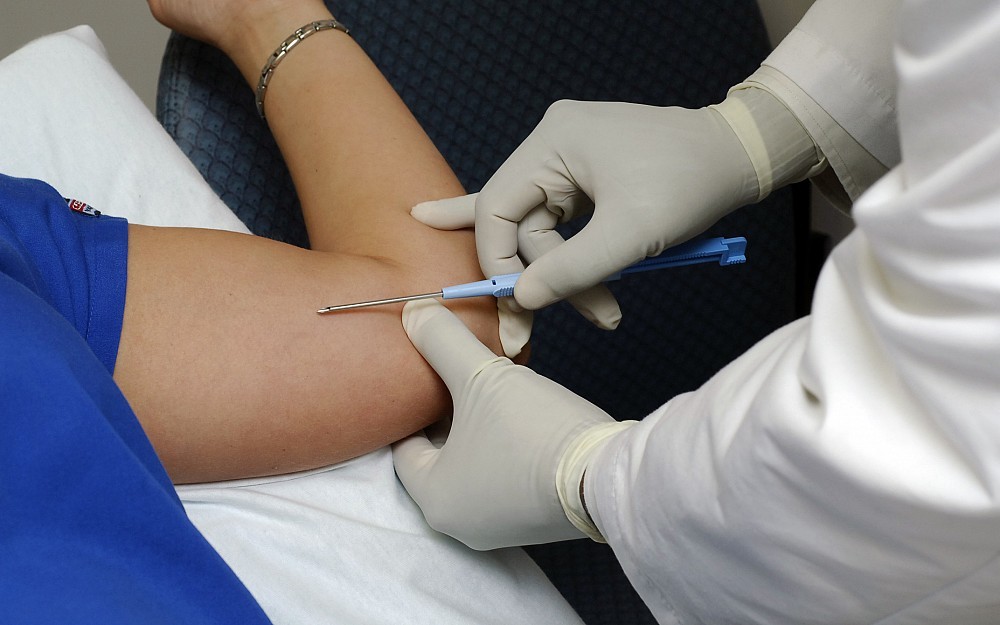
Research projects at the RMR have included studies on male and female condoms, spermicides, intrauterine devices, pills, vaginal rings and contraceptive patches.
Operating within an academic health center, the RMR actively writes and receives grant funding from the NIH. These NIH-supported studies are mechanisms to do large population research, either related to public health issues or as mechanisms for smaller companies who may have sound science but dont have the financial ability to have their products tested.
While NIH contracts with the center bring an estimated $15 million to the university, the centers research is also supported by pharmaceutical and medical device companies.
"There are only a handful of us who do this kind of research. I consider us innovators. Our goal is to develop new and innovative contraceptive agents that a couple can easily use whether it is a daily or long-acting reversible method, Thomas says, adding that thought leaders are envisioning a day when contraceptive medicines and devices may also someday have the secondary purpose of reducing the risk of sexually transmitted diseases and viruses.
"Ive been a researcher and clinician at the University of Cincinnati for 27 years. I dont think most people know that the prescription and over-the-counter products that couples commonly use for birth control were most likely studied here first. Women who participate in our studies understand that they are helping to participate in projects that may benefit women in the future.
Ongoing clinical trials here are open to women ages 18-40 who meet trial criteria. For more information, call 513-584-4100. Also, they can get more information under the Clinical Trials tab at www.researchforwomen.com.

Michael Thomas, MD, is a fertility expert and contraceptive researcher.
Tags
Related Stories
UC radiation oncologist speaks with Local 12 news about clinical trial for head and neck cancer treatment
August 10, 2026

Dr. Sara Medek, a UC radiation oncology professor, speaks with Local 12 news about a new clinical trial aimed at reducing radiation in certain areas while still treating cancer effectively but with fewer painful side effects.
Cancer Center director charts future based on collaboration, AI
August 10, 2026

David Gius, MD, PhD, was featured in a Cincinnati Business Courier article and The Cancer Letter’s “The Directors" podcast discussing his priorities and goals as he recently took the helm as director of the University of Cincinnati Cancer Center.
Bidirectional link between oral, kidney health calls for patient education, access
August 4, 2026

Despite growing awareness of the connection between oral health and chronic health conditions, patient awareness and access to dental care remain limited, according to University of Cincinnati experts who recently spoke with Healio | Nephrology News & Issues.