Free Women's Health Seminar Turns Attention to Aging

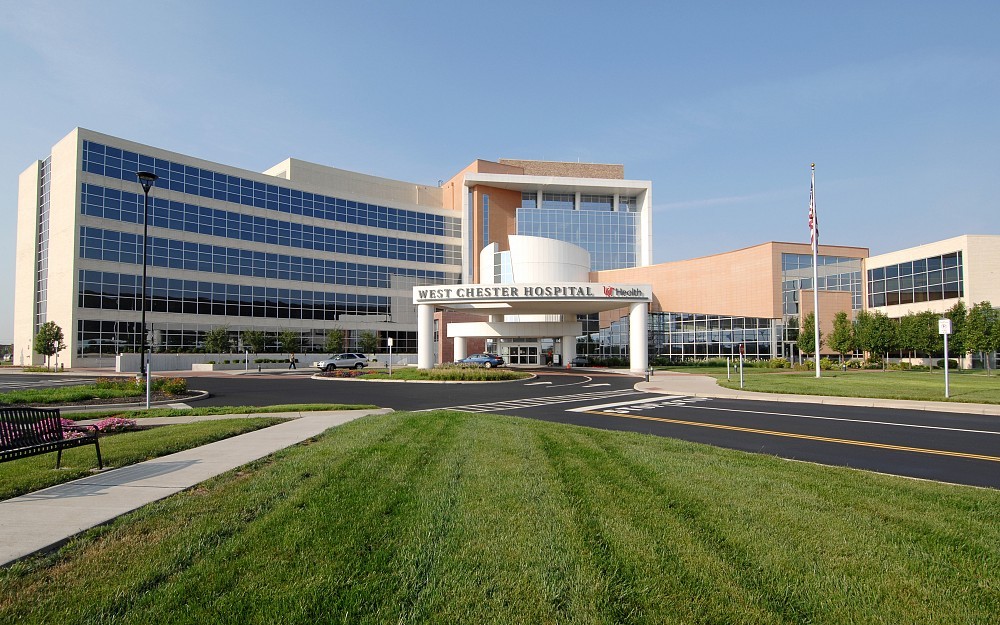
UC Healths West Chester Hospital is offering a free seminar to help women navigate changes to their health as they age. Two sessions will be offered in October.
West Chester Hospital physicians will provide information and answer questions about the specific and unique health challenges faced by aging women, including menopause, timing and frequency of health care visits and maintaining a healthy weight.
Seminar topics include:
Why is menopause so challenging?
What is "perimenopause and what are its signs and symptoms?
Does aging place women at greater risk for developing serious illnesses and conditions?
What are helpful and innovative tips for maintaining an appropriate weight?
WHAT: Free Womens Health Seminar
WHEN: Saturday, Oct. 24, from 9 to 10:30 a.m.
OR
Wednesday, Oct. 28, from 7 to 8:30 p.m.
WHERE: West Chester Hospital, Plaza Conference Room, Level A
7700 University Drive, West Chester, Ohio 45069
Space is limited. Reserve your seat by visiting UCHealth.com/wchevents or by calling 513-298-3000. Light refreshments will be provided.
Tags
Related Stories
UC radiation oncologist speaks with Local 12 news about clinical trial for head and neck cancer treatment
August 10, 2026

Dr. Sara Medek, a UC radiation oncology professor, speaks with Local 12 news about a new clinical trial aimed at reducing radiation in certain areas while still treating cancer effectively but with fewer painful side effects.
Cancer Center director charts future based on collaboration, AI
August 10, 2026

David Gius, MD, PhD, was featured in a Cincinnati Business Courier article and The Cancer Letter’s “The Directors" podcast discussing his priorities and goals as he recently took the helm as director of the University of Cincinnati Cancer Center.
Bidirectional link between oral, kidney health calls for patient education, access
August 4, 2026

Despite growing awareness of the connection between oral health and chronic health conditions, patient awareness and access to dental care remain limited, according to University of Cincinnati experts who recently spoke with Healio | Nephrology News & Issues.