Panic Disorder Symptoms May Be Tied to Acid-Sensing Receptor

Panic disorder is a syndrome characterized by spontaneous and recurrent episodes of incapacitating anxiety. It typically emerges during adolescence or early adulthood and can take an exhausting emotional and physical toll on the body. Physical symptoms can include heart palpitations, sweating and/or chills, trouble breathing and dizziness, nausea and even chest pain.
While significant progress in both diagnosis and treatment has been made with panic disorder, a lot is still not known about what triggers these panic symptoms. There is evidence that a pH inbalance disruption in the body, known as acidosis, can unexpectedly cause the panic attack.
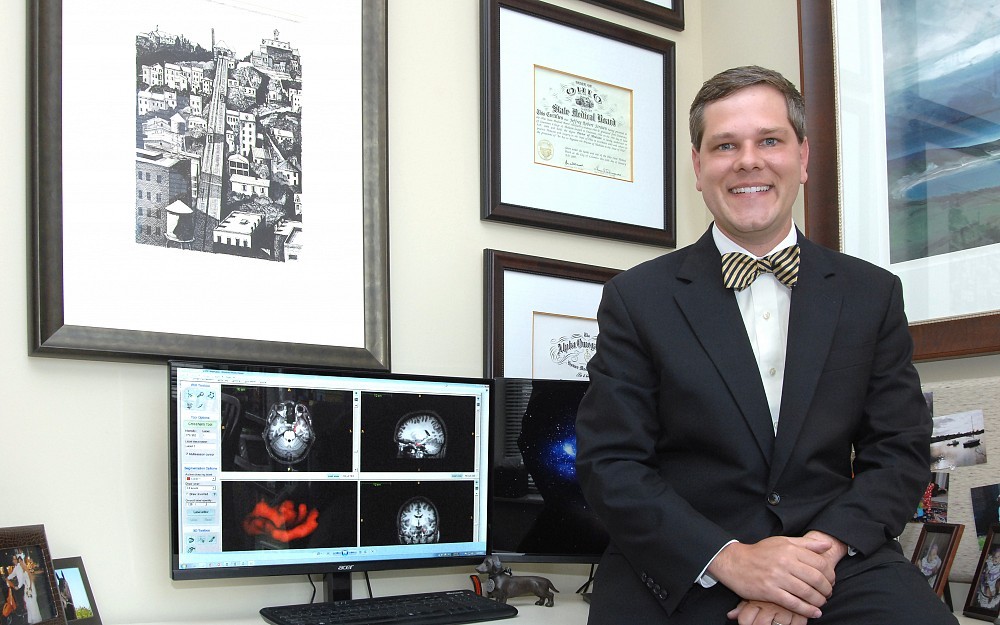
Researchers at the University of Cincinnati (UC) have found that a particular receptor in the bodyacid-sensing T cell death associated gene-8 (TDAG8)may have significant relevance to the physiological response in panic disorder. The research, a collaboration between Jeffrey Strawn, MD, and Renu Sah, PhD, both associate professors in the Department of Psychiatry and Behavioral Neuroscience at the UC College of Medicine, appears online in advance of publication in the journal Brain, Behavior, and Immunity.
The TDAG8 receptor, a pH sensor, was first identified in immune cells of the body where it regulates inflammatory responses. Studies of animal models in Sahs lab identified TDAG8 in immune cells of the brain, called microglia.
"Although we had reported the potential relevance of TDAG8 in panic physiology in the lab, we were uncertain whether the receptor would play a role in panic disorder. It was important for us to validate this in patients with this disorder, says Sah.
Strawn says the UC research team then embarked on a basic science-clinical collaboration, seeking to understand the receptors expression in adolescents and young adults.
"We evaluated the role of this receptor in patients with panic disorder (including adolescents who were close to the onset of panic disorder). We saw a relationship between this receptor and panic disorder symptoms, in addition to differences between patients with panic disorder and healthy individuals, says Strawn, who is also director of the Anxiety Disorders Research program at UC.
The study evaluated blood samples of 15 individuals between the ages 15 to 44 with a diagnosis of panic disorder and 17 healthy control participants. Anxiety symptom severity was also assessed in the study.
The study, though small, strengthened the previous pre-clinical findings.
"This pilot studythe first to evaluate the TDAG8 expression in patients with panic disorderreveals significantly increased levels in patients with panic disorder, relative to their healthy control subjects, says Strawn. "We found an association with TDAG8 and symptom severity, and we observed that there was a relationship between this receptor and treatment response in patients who had been treated with antidepressants.
Strawn says the findings show a direct link between increased TDAG8 expression and severity of panic disorder as well as raise the possibility that patients in treatment may reflect a "remission of TDAG8 expression. "It will be important for additional studies to further explain the functional relevance of TDAG8 and associated inflammatory processes as well as other acid sensors in patients with panic disorder to explore the role of TDAG8 with predicting treatment response, he says.
Sah notes that further research could demonstrate whether altered TDAG8 is a result of a genetic variation or other factors. She also says that in future studies, perhaps drugs targeting TDAG8 or associated inflammatory responses may be developed for panic disorder.
Support for the study was provided by National Institute of Mental Health (NIMH) grants MH106037 (Strawn) and MH093362 (Sah) and VA Merit grant 2I01BX001075-04 (Sah) in addition to a Pilot Translational Research Program grant from the Department of Psychiatry and Behavioral Neuroscience. Support was also provided by NIH postdoctoral training grant T32DK059803.
All authors cite no conflicts of interest.

Renu Sah, PhD, associate professor in the Department of Psychiatry and Behavioral Neuroscience
Related Stories
UC radiation oncologist speaks with Local 12 news about clinical trial for head and neck cancer treatment
August 10, 2026

Dr. Sara Medek, a UC radiation oncology professor, speaks with Local 12 news about a new clinical trial aimed at reducing radiation in certain areas while still treating cancer effectively but with fewer painful side effects.
Cancer Center director charts future based on collaboration, AI
August 10, 2026

David Gius, MD, PhD, was featured in a Cincinnati Business Courier article and The Cancer Letter’s “The Directors" podcast discussing his priorities and goals as he recently took the helm as director of the University of Cincinnati Cancer Center.
UC graduates cross finish line at commencement
August 7, 2026
The University of Cincinnati recognized 2,125 graduates in two ceremonies at summer commencement Friday on campus at Fifth Third Arena.