Your Guide to Fieldwork in the University of Cincinnati’s Bachelor of Social Work Program
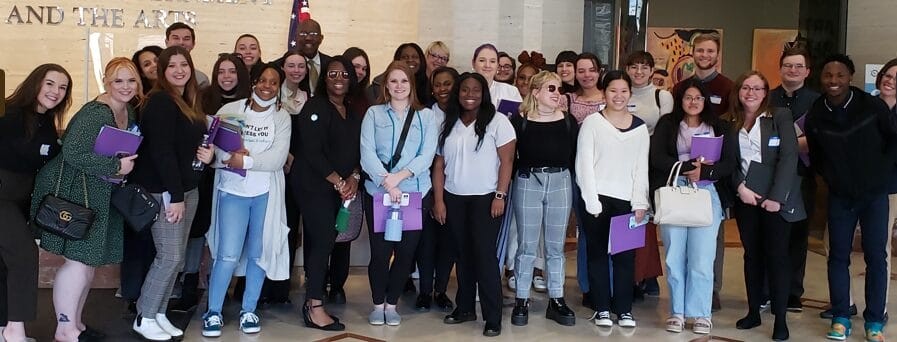
Fieldwork is a cornerstone of social work education, providing students with the hands-on experience necessary to translate theoretical knowledge into practical skills. At the University of Cincinnati (UC), the online Bachelor of Social Work (BSW) program emphasizes the importance of fieldwork, ensuring that students gain real-world experience in various social work settings. This blog post will delve into the fieldwork component of UC's BSW program, highlight examples of previous students' placements, and discuss how these experiences prepare students for successful careers in social work.

Importance of Fieldwork in Social Work Education
Fieldwork is crucial for several reasons:
- Practical Experience: Fieldwork allows students to apply classroom learning in real-world scenarios, enhancing their understanding of social work practices and principles.
- Skill Development: Through field placements, students develop essential skills such as client assessment, case management, and intervention strategies.
- Professional Networking: Field placements offer opportunities to connect with experienced social workers and other professionals, which can be valuable for future job searches and career growth.
- Personal Growth: Working in diverse environments helps students build empathy, resilience, and a deeper understanding of the challenges faced by different populations.
Structure of Fieldwork in UC’s BSW Program
UC's BSW program requires students to complete 12 college credits hours of fieldwork, which takes place during the student’s final year. The fieldwork component is designed to provide high-quality, supervised practice experiences in various social work settings. Field placements are arranged by the School of Social Work in collaboration with the student, ensuring that students have access to diverse opportunities that match their interests and career goals.

Types of Field Placements
In the BSW program at the University of Cincinnati Online, students have the opportunity to dive into hands-on fieldwork that aligns with their interests and career goals. For those still exploring their passions within social work, field placements provide valuable insights and help guide their future professional paths. BSW students can complete their field experience across a wide range of focus areas, such as child welfare, healthcare, or mental health. This flexibility allows students to fulfill their field placement requirements in various settings, including:
- Schools
- Hospice centers
- Healthcare facilities and hospitals
- Substance use treatment centers
- Community service organizations
- Child welfare agencies
- Crisis centers for interpersonal violence
- Mental health organizations
- Justice and correctional centers
These diverse field placement opportunities equip students with real-world experience and prepare them to make meaningful contributions in their future social work careers. Fieldwork is an integral part of the University of Cincinnati’s online Bachelor of Social Work program, providing students with essential real-world experience that prepares them for successful careers in social work. Through diverse placements in community health centers, schools, nonprofit organizations, and mental health facilities, students gain the practical skills and professional insights needed to make a meaningful impact in their communities. For more information about the fieldwork component and the BSW program, visit the University of Cincinnati's Bachelor of Social Work page.
FAQs
1. What is the purpose of fieldwork in the BSW program? Fieldwork provides practical, hands-on experience in social work settings, allowing students to apply theoretical knowledge, develop professional skills, and build networks with experienced social workers. 2. How can students begin to practice social work communication and networking skills prior to social work fieldwork? The School of Social Work encourages students to consider joining the National Association of Social Work as a BSW student member. NASW has over 120,000 members in the United States and has opportunities for BSW student involvement in the community where they live. Example, UC School of Social Work faculty and students annually participate in NASW Advocacy Day at the State of Ohio legislature. Participants learn how to be an effective advocate and about social work policy priorities, relevant bills, and legislative requests.
