Mashable: Can you even meditate without new-age music?
UC's Dr. Rekha Chaudhary weighs in on music's impact on meditation

Swirling synth drones, plucky zither, vibrating gongs, whirring bowls, chirping birds, crashing waves. These sounds have become common backing tracks as a disembodied voice projects from our phones, guiding us to get comfortable and notice our breath.
The rise of meditation apps has kicked off a resurgence of at-home practices heavy on the new-age music and ambient sound. But do you really need music to meditate? And if so, are these nature-inspired tunes with faux-Eastern twists always the best choice when you want to relax?
Dr. Rekha Chaudhary, adjunct associate professor at the UC College of Medicine and UC Health oncologist who is also a member of the UC Center for Intergrative Health and Wellness, provides insight.
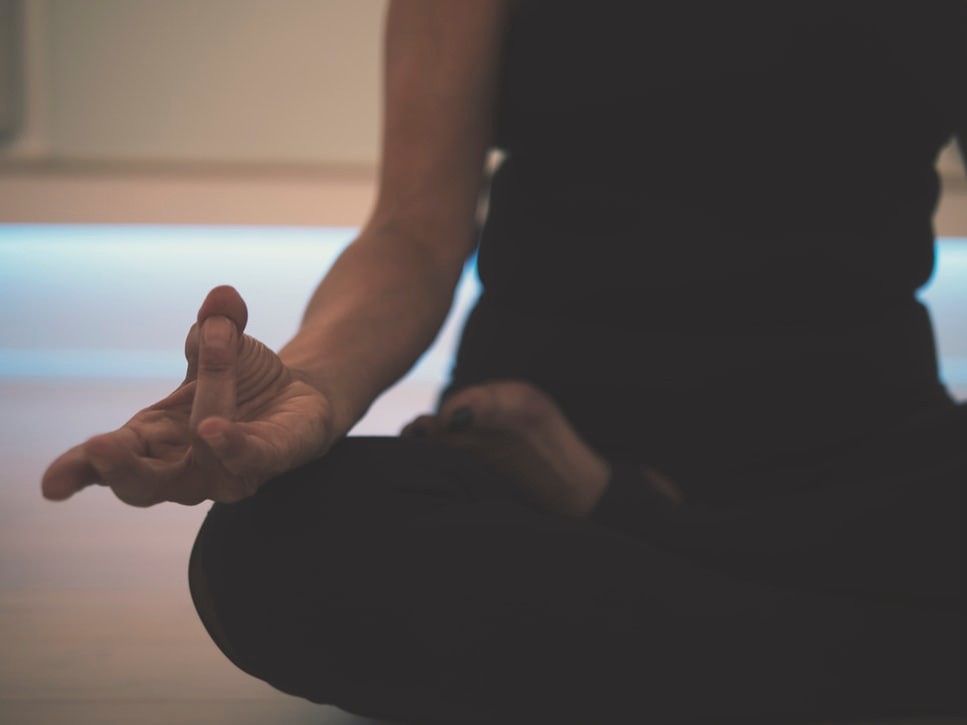
Featured photo courtesy of Unsplash/JD Mason.
Related Stories
President Pinto’s 2nd glow party brings first-year Bearcats together
September 20, 2026
UC President Neville Pinto and team hosted the second annual Bright Beginnings glow party for first-year students
This September, give blood for local patients fighting cancer and sickle cell disease
September 18, 2026
September is dedicated to raising awareness of several serious diseases, including sickle cell disease and childhood cancer. For patients in Greater Cincinnati fighting these diseases, awareness is only part of the equation. They also need lifesaving blood products.
UC emergency medicine physicians safely eliminate thousands of unnecessary CT scans
September 18, 2026
A University of Cincinnati emergency medicine quality improvement campaign avoids 3,500-plus head and cervical spine CT scans, saving $6.2 million in patient charges, more than 14,000 hours of waiting time and significant radiation exposure with no patient harm.