SHAPE: The best fragrance-free shampoo for sensitive scalps
UC's cosmetics science experts describe what fragrance free means to consumers

In a SHAPE Magazine article, cosmetic science experts at the University of Cincinnati's James L. Winkle College of Pharmacy provide insight into what the term “fragrance free” means in the personal care industry and to consumers.
People with sensitive skin, known fragrance allergies, or a poor skin barrier would benefit from fragrance-free shampoo formulations, say cosmetic scientists KP Ananth, professor and director of the cosmetics science program and Trang Vu, a cosmetic sciences researcher and Ph.D. candidate at the college.
UC’s cosmetic science degree program is the oldest and largest in the country and was the first to offer a doctorate in cosmetic science.
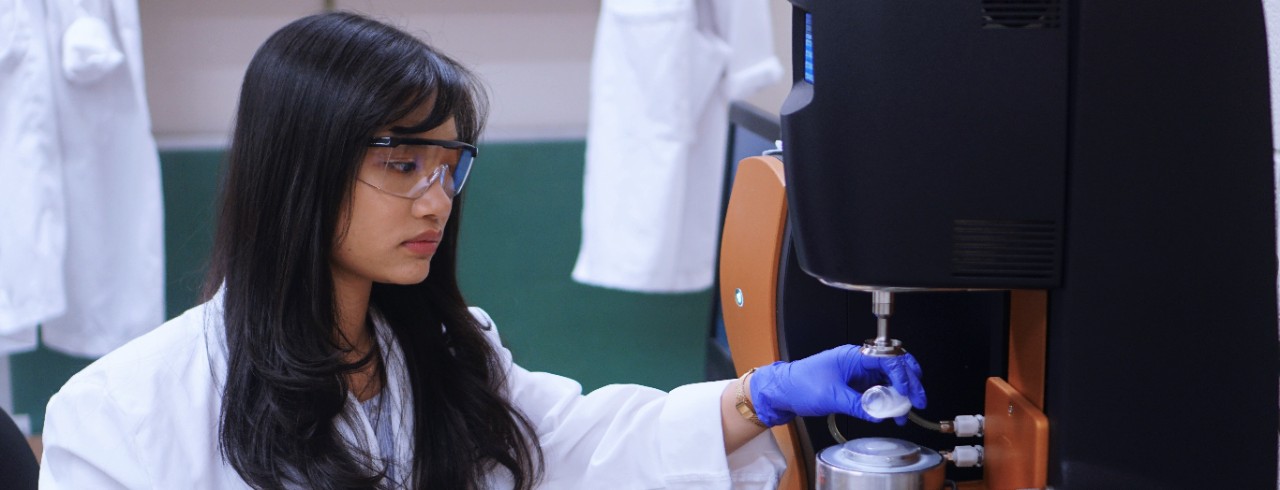
Featured Image: Vu Trang in her labratory at UC. Photo provided/Trang
Impact Lives Here
The University of Cincinnati is leading public urban universities into a new era of innovation and impact. Our faculty, staff and students are saving lives, changing outcomes and bending the future in our city's direction. Next Lives Here.
Related Stories
Emeritus professor honored for gas turbine research
August 17, 2026
Mark Turner has been part of the University of Cincinnati's College of Engineering and Applied Science for 25 years. His work in the field of gas turbine simulation and design continues to leave a significant impact on the industry. He was honored by the American Society of Mechanical Engineers with the International Gas Turbine Institute Scholar Award. Turner is part of the Department of Aerospace Engineering and Engineering Mechanics at UC.
UC expert offers advice to Cincinnati on climate change
August 14, 2026

In an op-ed, UC Associate Professor Bob Hyland talks about ways Cincinnati can become more resilient in face of climate change.
UC named a best employer in Ohio by Forbes
August 14, 2026

Forbes ranks the University of Cincinnati No. 24 on its 2026 America’s Best Employers By State list for Ohio, recognizing UC’s strong workplace culture and employee experience.