Science: UC biologist explains how spiders 'hear' with legs
UC professor George Uetz is a renowned expert on spiders

Science Magazine talked to University of Cincinnati professor George Uetz about how spiders can "hear" with their legs.

George Uetz. Photo/Joseph Fuqua II/UC Creative + Brand
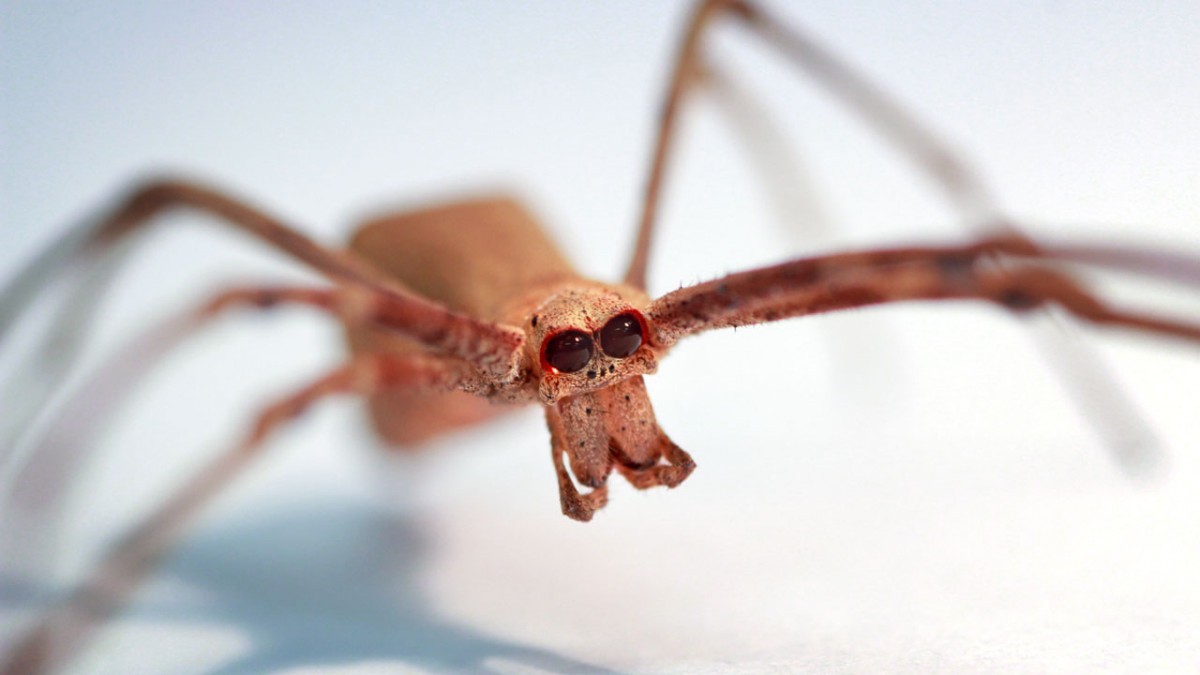
A study on ogre-faced spiders by researchers with Cornell University was published in the journal Current Biology. Cornell found that spiders reacted to certain frequencies of sounds that were similar to those made by the fluttering wings of their preferred prey, moths.
Many spiders have excellent vision, but their ability to sense sound vibrations is far less understood. In his UC biology lab, Uetz and his biology students study "multimodal communication" in which courting wolf spiders use a combination of visual and vibratory cues to attract a mate.
Uetz said Cornell's finding about this new spider superpower is a surprise, given how much we already know about the acuity of spider vision. He was not part of the study.
"They are much more complex than people ever thought they were," Uetz said.
Featured image at top: An ogre-faced spider. Photo/Jay Stafstrom/Cornell University
Related Stories
UC 1819 Innovation Hub ranked No. 23 in Top 100 Best Workplaces for Innovators by Fast Company
September 10, 2026
UC 1819 Innovation Hub is nationally ranked as one of the top 100 Best Workplaces for Innovators.
Could a whale really swallow a person whole?
September 10, 2026

Science News turns to a University of Cincinnati biologist to learn about animals that can swallow people whole as Hollywood gives moviegoers another reason to stay out of the water with the release next month of "Whalefall."
UC student ties his own world record in competitive speedcubing
September 10, 2026

Speedcuber's Digest highlighted University of Cincinnati computer science student's two-time 2x2 speedcubing world recor.d At a recent competition in Mississippi, Sujan Feist recorded a 0.86 second average, tying the previous world record, which he set.