
UC Law alumnus, law library namesake remembered as DAV celebrates 100 years

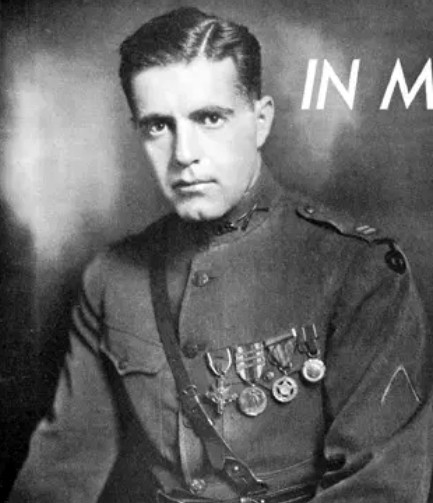
Robert S. Marx / Archive photo
The Disabled American Veterans, a nonprofit organization that works to improve the lives of those who’ve sacrificed for their country, celebrates its 100th anniversary this year. And as The Enquirer details, the organization got its start in 1920 thanks to University of Cincinnati College of Law alumnus Robert S. Marx, for whom UC’s Law Library is named.
On Christmas Day 1919, Marx, a newly elected judge on the Superior Court in Cincinnati, hosted a party at a hotel for more than 100 disabled World War I veterans who were receiving special job training from the Ohio Mechanics Institute.
Marx, a wounded veteran himself, knew the challenges the veterans faced, and the conversation turned to the scarce support available and need for a national organization for disabled veterans. Within a few months, DAV was born as Disabled American Veterans of the World War. Marx served as DAV’s first national commander and biggest promoter, according to The Enquirer.
Today there are nearly 1,300 DAV chapters and 1 million members across the nation.
Read the full story
Watch a one-hour documentary detailing the history of DAV here
Featured image at top: UC College of Law Robert S. Marx Law Library / File photo
Related Stories
UC Foundation celebrates 2026 philanthropy winners
October 23, 2026
The University of Cincinnati Foundation recognized its Outstanding Philanthropic Volunteer Award honorees at the George Rieveschl Recognition Dinner on October 22, 2026.
UC expert explains potential impact of Pennsylvania’s new vape product law
October 22, 2026

UC professor Ashley Merianos speaks to the Pittsburgh Post-Gazette about Pennsylvania’s new vape law, youth vaping prevention, enforcement challenges and possible unintended consequences.
UC Biomedical Engineering student launches mobile healthcare platform
October 22, 2026
As a fifth-year biomedical engineering student at the University of Cincinnati College of Engineering and Applied Science, Amelia Wares has been a trailblazer in nearly every area imaginable — and this is only the beginning of her journey.