WOSU: Ohio fails to pick president for first time since 1960
Political scientist David Niven says Ohio no longer mirrors the overall national vote.

Since 1960 Ohio had been a bellwether for predicting presidential election outcomes, but that’s no longer the case, UC political scientist David Niven tells WOSU radio in a post-election interview.
In the 2020 election Ohio went for Trump, but Biden is the projected winner.
“Not only shouldn’t we have been a toss-up, we weren’t anywhere close to being one," Niven says. "And the future battle for the presidencies is highly unlikely to run through Ohio."
Along with Trump's wins in 2016 and 2020, Ohio has seen Republicans sweep its statewide executive races – governor, attorney general, secretary of state, treasurer and auditor – twice since 2010.
Listen to the entire interview on WOSU.
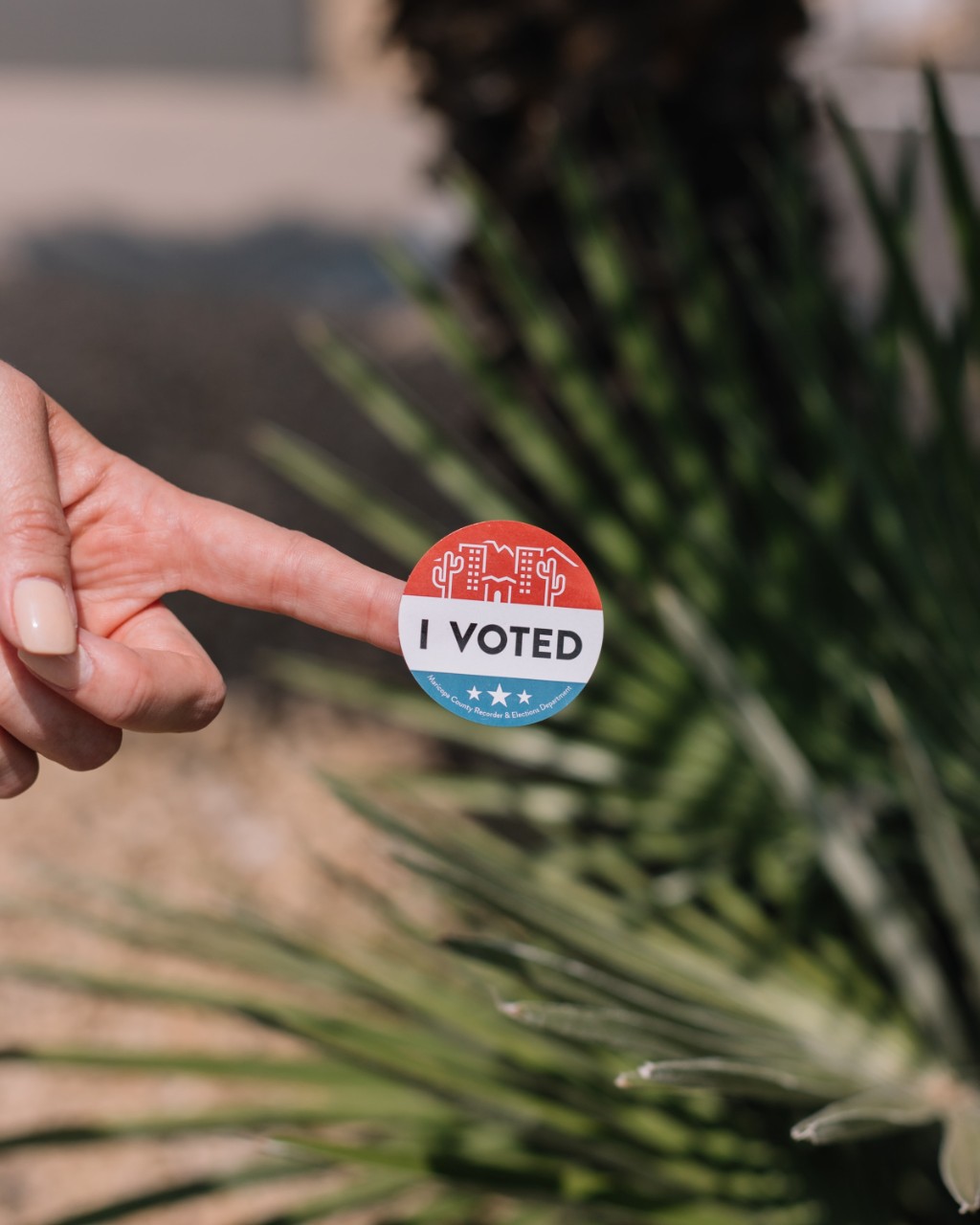
Featured image at top of voting sticker. Photo/Phillip Goldsberry/Unsplash.
Impact Lives Here
The University of Cincinnati is leading public urban universities into a new era of innovation and impact. Our faculty, staff and students are saving lives, changing outcomes and bending the future in our city's direction. Next Lives Here.
Related Stories
Her book drive is changing literacy in Cincinnati
August 31, 2026

WCPO highlights a nonprofit dedicated to childhood literacy that has offers co-op positions to UC students.
Heavy social media use linked to depression
August 31, 2026

U.S. News and World Report, Yahoo! News, MSN, USA Today and other national media highlight a new study by the University of Cincinnati and Northwestern University that found a correlation between heavy social media use and depression in adults.
These teeny spiders are social media stars
August 28, 2026

The New York Times turned to a University of Cincinnati professor to explain the appeal of jumping spiders on social media.