Healthline: COVID-19 increases risk of mental health disorders

A new study of U.S. military veterans found that COVID-19 infection could increase the risk of developing mental health issues, even when compared to non-COVID patients or those who contracted the seasonal flu.
The study enrolled more than 150,000 veterans who had been infected with COVID-19 and compared them to a sample group of nearly 6 million veterans who had not contracted the virus. The participants were tracked over a one-year period.
The group who had recovered from COVID had 15 more cases of depression per 1,000 people, increased likelihood of sleeping problems, higher rates of alcohol and drug misuse and a nearly 50% increase in suicidal thoughts compared to the control group.
Maria Espinola, PsyD, assistant professor in the Department of Psychiatry and Behavioral Neuroscience at the University of Cincinnati College of Medicine, reviewed the study for Healthline and said the findings did not surprise her.
“Smaller studies have been showing a higher prevalence of certain mental health disorders among COVID patients,” Espinola told Healthline. "This study significantly increases our understanding of the problem.
"The findings add weight to the argument for integrated care, which refers to the integration of behavioral health services with general and/or specialty medical services,” Espinola continued.
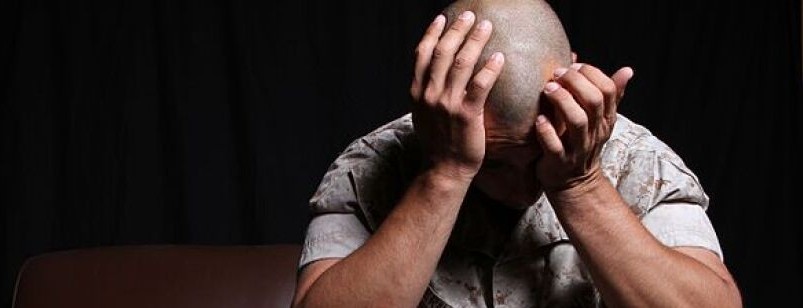
Featured photo at top courtesy of the United States Marine Corps.
Related Stories
Her book drive is changing literacy in Cincinnati
August 31, 2026

WCPO highlights a nonprofit dedicated to childhood literacy that has offers co-op positions to UC students.
Heavy social media use linked to depression
August 31, 2026

U.S. News and World Report, Yahoo! News, MSN, USA Today and other national media highlight a new study by the University of Cincinnati and Northwestern University that found a correlation between heavy social media use and depression in adults.
These teeny spiders are social media stars
August 28, 2026

The New York Times turned to a University of Cincinnati professor to explain the appeal of jumping spiders on social media.