Local 12: Pharmacies adjusting hours due to staffing issues

Like a number of industries, staffing issues are causing many pharmacies to adjust their hours and close for lunch.
Jill Boone, PharmD, clinical professor and director of interprofessional education at the University of Cincinnati's James L. Winkle College of Pharmacy, told Local 12 there is a great need for more pharmacists across the industry. This has led to expanded roles for the current workforce.
Boone said many pharmacies are showing their appreciation for workers through moves such as closing the pharmacy for lunch.
“Pharmacists really served the front line roll during the COVID pandemic. I think there is an appreciation for the value along with other health care workers about how much effort that was put in, and I think there is also recognition that we need to make sure we are taking care of our practitioners,” Boone said.
Despite the current situation, Boone said she is encouraged by the current crop of applicants and students in the College of Pharmacy who will soon join the workforce and help alleviate shortages.
Watch or read the Local 12 story.
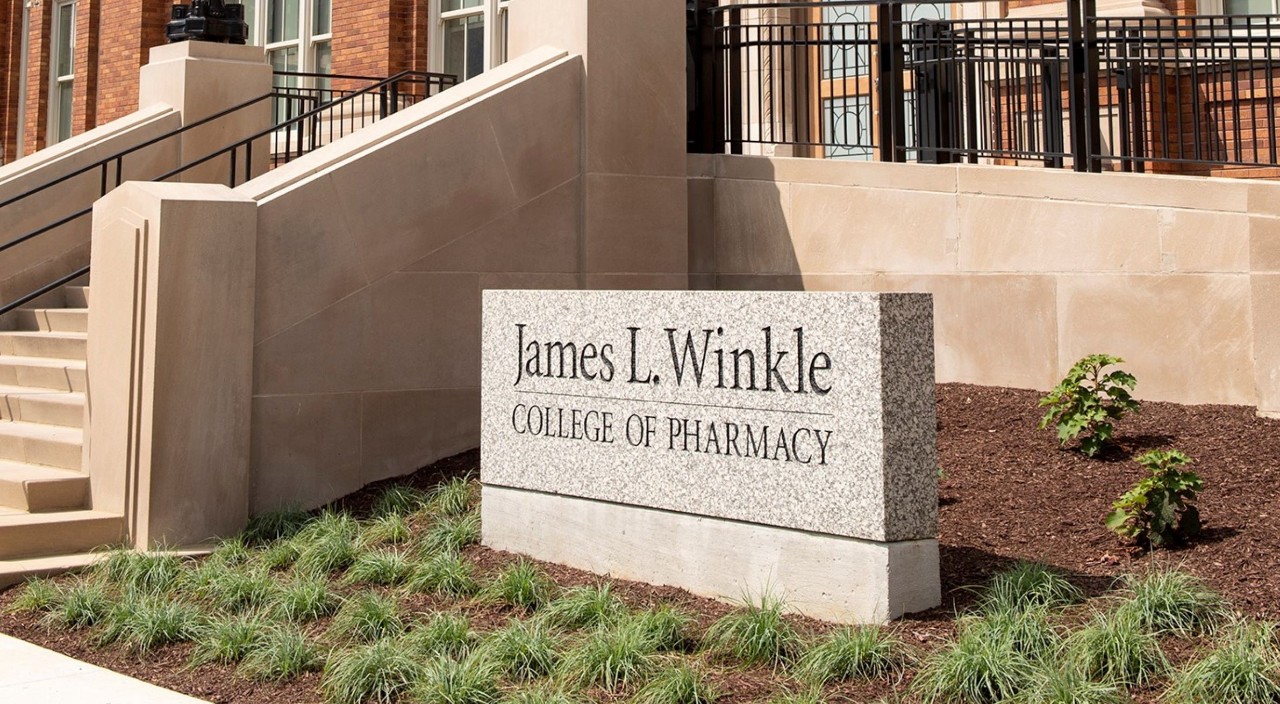
Featured photo at top of exterior of James L. Winkle College of Pharmacy. Photo/University of Cincinnati.
Related Stories
What is a trademark?
August 11, 2026

Sean Owens, an adjunct professor in the Donald P. Klekamp College of Law, discussed trademark law with the Dayton Daily News. Owens is also a partner at intellectual property law firm Wood Herron & Evans in Cincinnati.
UC radiation oncologist speaks with Local 12 news about clinical trial for head and neck cancer treatment
August 10, 2026

Dr. Sara Medek, a UC radiation oncology professor, speaks with Local 12 news about a new clinical trial aimed at reducing radiation in certain areas while still treating cancer effectively but with fewer painful side effects.
Cancer Center director charts future based on collaboration, AI
August 10, 2026

David Gius, MD, PhD, was featured in a Cincinnati Business Courier article and The Cancer Letter’s “The Directors" podcast discussing his priorities and goals as he recently took the helm as director of the University of Cincinnati Cancer Center.