WVXU: Why it gets hotter in the city
UC faculty researcher explains how temps rise in urban environments

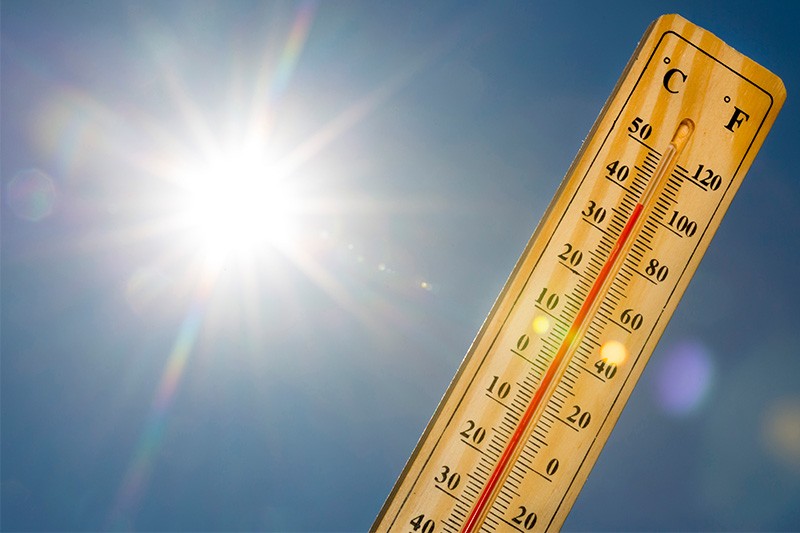
Concrete, asphalt, lack of tree cover are all things that impact temperature, and times of extreme heat are harder on the most vulnerable urban populations, says Pravin Bhiwapurkar an assistant professor in UC’s School of Architecture and Interior Design.
As temperature climb this week, Bhiwapurkar was featured on WVXU to explain why it gets hotter in the city than it does in the suburbs.
Bhiwapurkar’s research focus is on how urban development contributes to the heat island (UHI) effect which modifies outdoor and indoor environments. UHI affects building energy needs, microenvironments as well as human health, especially that of children and the older population.
Bhiwapurkar began working with the city of Cincinnati in 2015 and credits the current administration, as well as previous ones, for taking steps to cool things down.
“By working in various interdisciplinary teams, I helped improve the building performance by integrating environmental technologies early in the design process and creating evidence by employing energy modeling and simulation approaches.”
Impact Lives Here
The University of Cincinnati is leading public urban universities into a new era of innovation and impact. Our faculty, staff and students are saving lives, changing outcomes and bending the future in our city's direction. Next Lives Here.
Related Stories
Is Cincinnati building new homes fast enough?
September 22, 2026

Gary Painter, professor and academic director of the Real Estate Center at UC's Lindner College of Business, offers comments on affordability issues in Cincinnati.
UC climbs to No. 3 in the nation for co-ops and internships in 2027 U.S. News rankings
September 22, 2026
In U.S. News & World Report’s 2027 Best Colleges rankings, the University of Cincinnati rises to No. 3 in the nation for co-ops and internships — No. 1 among public institutions — and posts gains in undergraduate business, computer science and psychology.
'Discovery, mentorship, momentum': UC College of Medicine's graduate programs celebrate year of success
September 22, 2026
From new mentorship honors to a growing research pipeline, see how the University of Cincinnati College of Medicine's graduate programs made this a standout year.