
UC enrolling patients for PTSD clinical trials
Expert says new treatments needed to address certain symptoms

About 8% of Americans will experience post-traumatic stress disorder at some point in their lives, but there are still few effective options to treat the condition.
“There are some medical treatments for PTSD and psychotherapies for PTSD, but patients continue to suffer with symptoms that aren’t responsive to the currently available treatments,” said Lesley Arnold, MD.
June is PTSD Awareness Month, and the University of Cincinnati is currently enrolling patients for clinical trials examining the effectiveness of different medications to better treat PTSD symptoms.
The basics
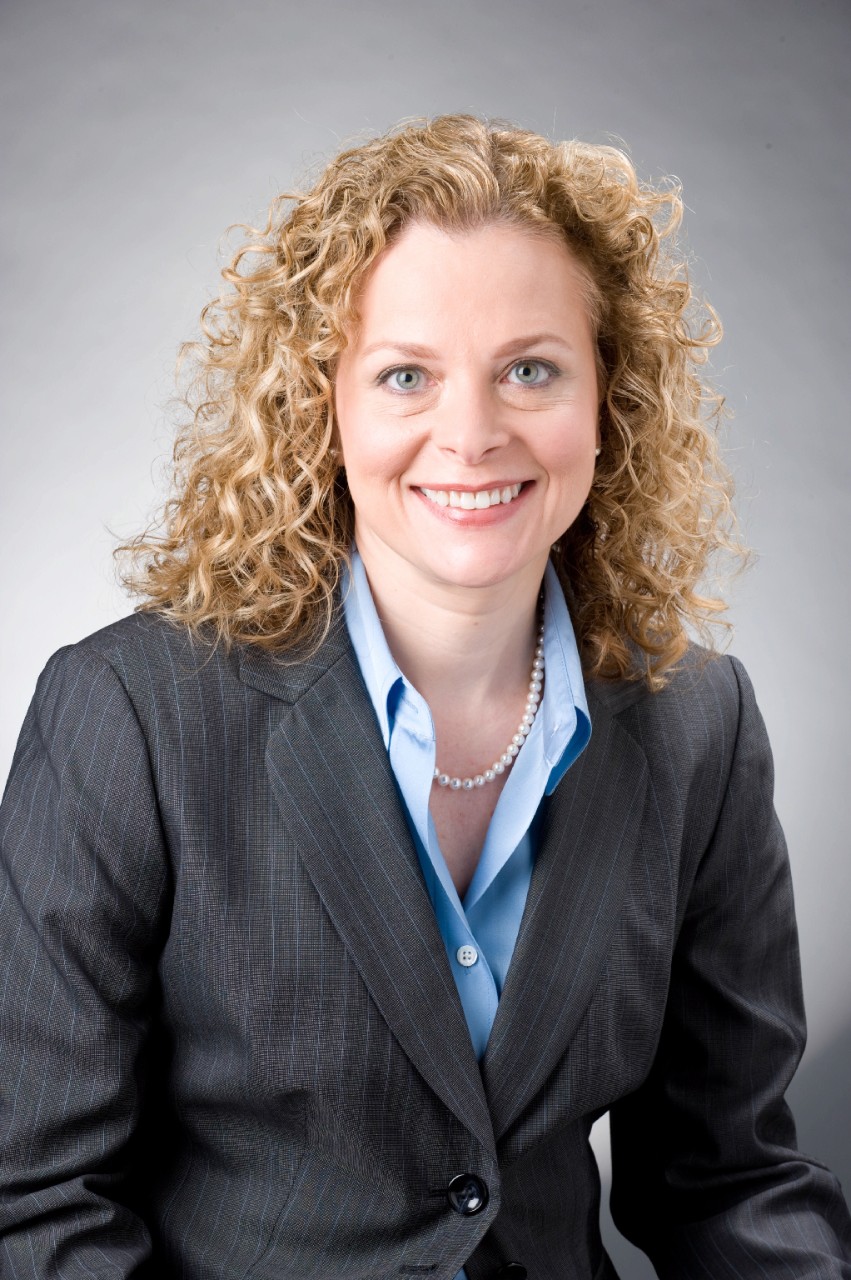
Lesley Arnold, MD. Photo/University of Cincinnati
Arnold said PTSD is a common and often chronic disorder that develops after a traumatic event that is either personally experienced or witnessed by a person.
“People with PTSD often re-experience aspects of the original trauma and can develop symptoms such as avoidance of trauma reminders, negative thoughts and feelings and increased alertness to their surroundings,” said Arnold, director of the Women’s Health Research Program and professor in the Department of Psychiatry and Behavioral Neuroscience in the UC College of Medicine.
Most people who are exposed to a trauma will have an acute stress response in the moment, Arnold said, but about 30% of those who experience a trauma develop PTSD. Symptoms can last for months or years and also include disrupted sleep or nightmares, issues with memory or focus and depression and anxiety.
In people who are at higher risk for exposure to trauma, such as war veterans, PTSD occurs in even higher proportions, Arnold said. The COVID-19 pandemic has also exacerbated symptoms of PTSD for some individuals.
“It led to some isolation and made it difficult for individuals to seek treatment or to continue to engage in treatment,” Arnold said.
New trials
Arnold and her team are focused on testing medication-based treatments that could help alleviate the symptoms of PTSD that have not responded to currently available medications, including sleeplessness and nightmares among others.
“The problem that we have is that there are two FDA medications approved for the treatment of PTSD, but these medications aren’t effective for everybody, and they take a long time to work,” Arnold said.
Each of the clinical trials will test different novel drugs that take new approaches to treat unregulated neurotransmitters in the brain that are involved in PTSD. The randomized trials will measure the effectiveness of the medications compared to a placebo control group.
“We are in urgent need of treatments for PTSD,” Arnold said. “That’s why these trials are so important because they offer a novel approach that we hope to be effective in helping patients overcome the problems associated with PTSD and return to full function.”
This is an exciting time and a hopeful time for people with PTSD because we are actively seeking out better treatments.
Lesley Arnold, MD
Adults, both women and men, over the age of 18 with PTSD are eligible to participate in the trials, with patients with a variety of different trauma experiences being recruited. The trials will involve about three months of participation from patients.
“We’re asking for volunteers to help us with our trials, those individuals who continue to have symptoms of PTSD,” Arnold said. “We are conducting these trials actively, and I would encourage individuals to come forward to help.”
Arnold said there has been an increased interest in finding drug treatments for PTSD in about the last five years.
“This is an exciting time and a hopeful time for people with PTSD because we are actively seeking out better treatments,” she said. “There’s been a growing interest and a recognition of the unmet need in this population, so I’m really gratified to be able to have these trials going on now and to be able to offer some hope to individuals with PTSD.”
For more information on the PTSD trials at UC, call 513-558-6612.
Featured image at top courtesy of iStock.
Next Lives Here
The University of Cincinnati is leading public urban universities into a new era of innovation and impact. Our faculty, staff and students are saving lives, changing outcomes and bending the future in our city's direction. Next Lives Here.
Related Stories
Women consistently experience more pain than men across 11 body parts
October 12, 2026

A large global study spanning 118 countries, published in Nature Medicine, has found that women consistently report more pain than men across 11 bodily sites, including the back, head, face, knees, chest, abdomen and hips. The study also found that, across sexes, the sharpest increases in self-reported pain tend to occur before age 55. These findings may inform a new approach to chronic pain prevention and management throughout the lifespan. Shuchita Garg, MD, an associate professor of clinical medicine at the University of Cincinnati College of Medicine, Division of Chronic Pain, within the Department of Anesthesia, and the medical director of the UC Medical Center Pain Clinic, who was not involved in this study, commented on the findings for Medical News Today (MNT).
2026 Daniel Drake Medals awarded to three pioneering physician-scientists
October 12, 2026
The University of Cincinnati College of Medicine awards its highest honor, the 2026 Daniel Drake Medal, to three leaders in transplantation medicine, rare lung disease and heart health.
Get to know CCM’s newest faculty and staff members
October 12, 2026
UC’s College-Conservatory of Music will welcome a variety of new faculty and staff members to its roster of distinguished performing and media arts experts, researchers and educators this fall.