55KRC: UC studies sickle cell's effect on neurological conditions

Sickle cell disease, a genetic blood disorder that primarily affects people of African ancestry, can cause a variety of symptoms, including muscle pain, nonhealing ulcers, stroke and cognitive impairment.
Hyacinth I. Hyacinth, PhD, MBBS, associate professor of neurology and rehabilitation medicine and the Whitaker and Price Chair in Brain Health in UC’s College of Medicine, joined 55KRC's Simply Medicine program to discuss his research into how sickle cell disease affects stroke and cognitive impairment.
Hyacinth explained that children as young as two with sickle cell disease are at risk for stroke, and children as young as three with sickle cell can have cognitive impairment.
"So that in itself makes it a heartbreaking complication, because when you see a five-year-old with a stroke, it’s heart wrenching," he told Simply Medicine.
Cognitive impairment is in part caused by inflammation in the brain, and Hyacinth's lab recently received new grant funding to test if a drug can help "turn down" the inflammation and reduce cognitive impairment.
Listen to the Simply Medicine interview. (Note: Segment begins around 9:30 mark of program.)
Read more about Hyacinth's research.
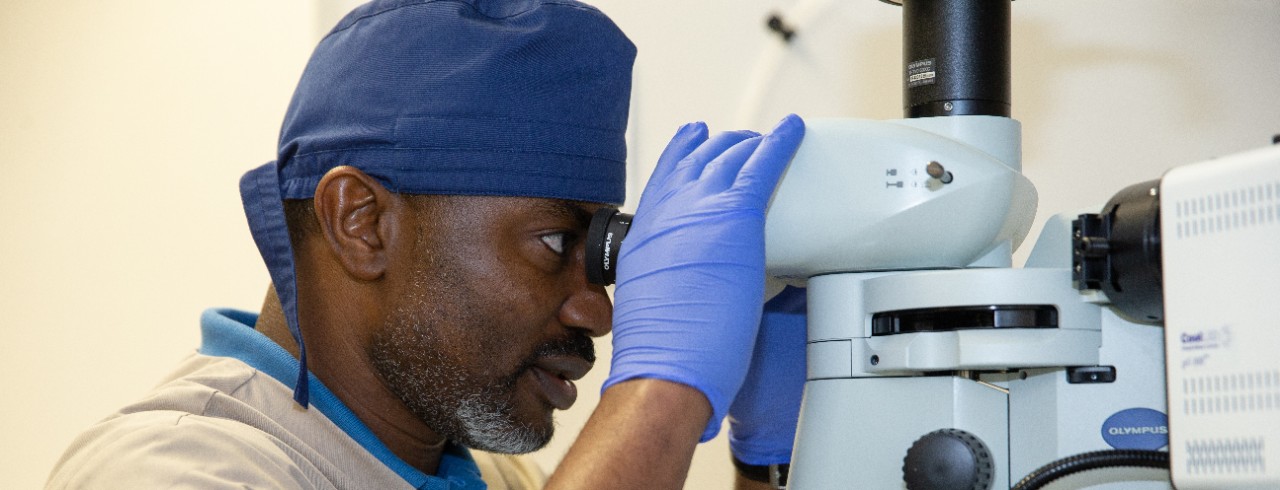
Featured photo at top of Hyacinth working in his lab. Photo/Andrew Higley/UC Marketing + Brand.
Related Stories
Mistakes to avoid when shopping for a product dupe
August 13, 2026

The University of Cincinnati’s Kelly Dobos was featured in an AARP article discussing ways to determine if “dupe” cosmetic products really are comparable to the more expensive name brand.
Ancient warming event hints at potential climate tipping point
August 12, 2026

Researchers say a spike in temperatures during an ice age 304 million years ago could inform what climate scientists are learning about rapidly changing conditions today.
What is a trademark?
August 11, 2026

Sean Owens, an adjunct professor in the Donald P. Klekamp College of Law, discussed trademark law with the Dayton Daily News. Owens is also a partner at intellectual property law firm Wood Herron & Evans in Cincinnati.