
Discover: How ancient Maya practiced sustainable agriculture
Magazine highlights UC's new discoveries about ancient Maya

Discover Magazine highlighted work by the University of Cincinnati that suggests the ancient Maya practiced sustainable forestry and agriculture.
UC researchers used genetic and pollen analyses to provide the most detailed examination to date of the wild and cultivated plants found in the ancient Maya city Yaxnohcah, which was occupied between 1,800 and 3,000 years ago in what is now Mexico’s Yucatan Peninsula.
UC College of Arts and Sciences paleo-ecologist David Lentz told Discover Magazine that the ancient Maya managed their crops and forests in a way that showed consideration for the future.
“Everything the Maya used is still there, and still there in abundance,” Lentz told Discover.
A multidisciplinary team of biologists, anthropologists, geneticists and geographers collected and analyzed 38 soil samples, finding evidence of wild trees and plants growing near the city. The research suggests the ancient Maya left much of the rainforest intact.
The study was published in the journal Frontiers in Ecology and Evolution.
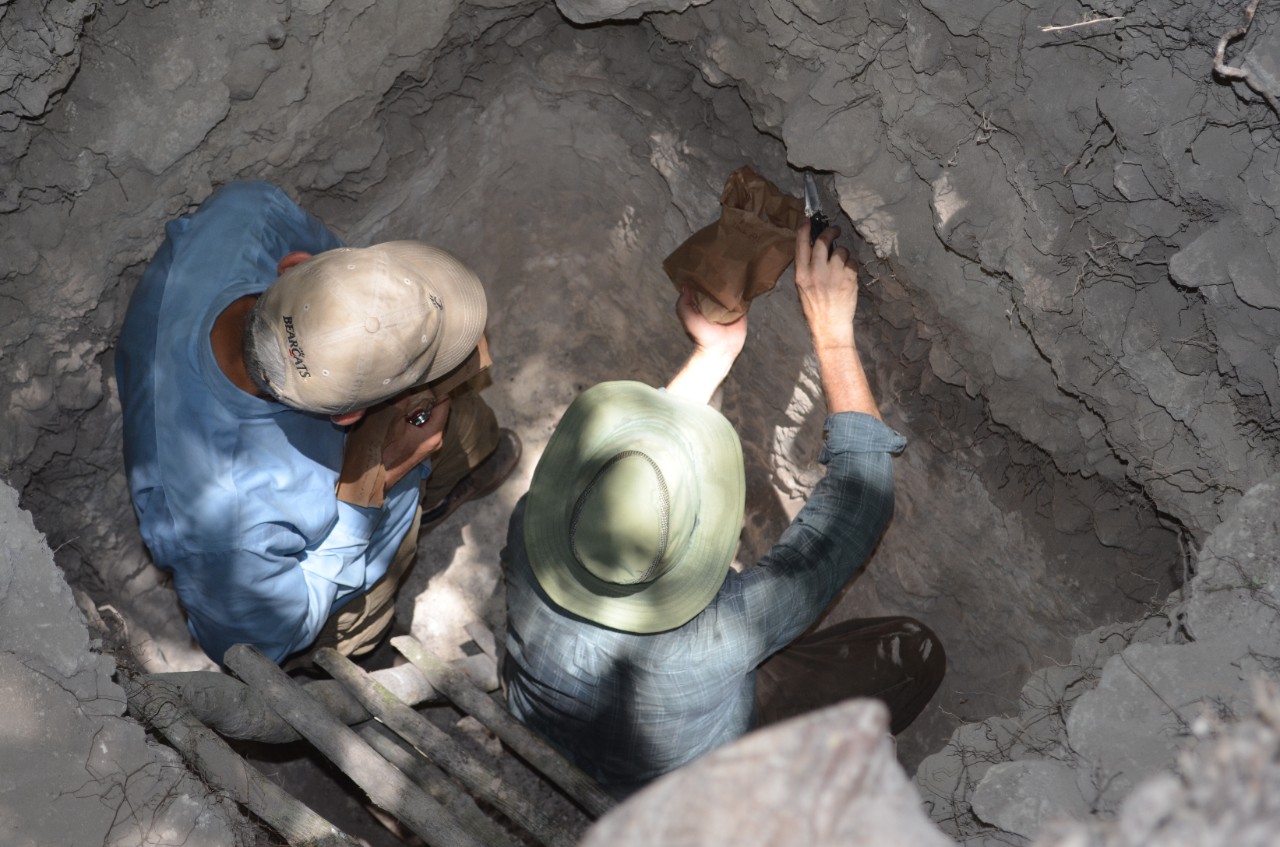
UC professors David Lentz and Nicholas Dunning work at an ancient Maya site at Yaxnohcah. Photo/Provided
Related Stories
From hobbyist photographer to professional educator
October 9, 2026

DAAP alum and photographer HATSUE studied communication design after a pivot in high school from a track toward veterinary school. Today, they teach photography at 1001 Colors white working as an artist and curator in Cincinnati.
UC researcher to launch national study with $2.5 million NIH grant
October 9, 2026

A University of Cincinnati researcher has received a $2.5 million National Institutes of Health grant to conduct research during the next five years. Natalie Kreitzer, MD, a University of Cincinnati College of Medicine physician-researcher, received an R01 independent research grant from the NIH's Eunice Kennedy Shriver National Institute of Child Health and Human Development. The funding will support a test program for caregivers of patients with traumatic brain injury, as reported by the Cincinnati Business Courier.
Simple ways to find a deeper sense of happiness and well being
October 8, 2026

UC assistant professor Suzie White, featured in an AARP story on practical ways to live a happier, healthier life, shared research-backed strategies for increasing well-being through gratitude and service to others. White teaches Happiness in Action, a course that helps students apply the science of happiness in everyday life.