TCTMD: Study finds drug provides no benefit during thrombectomy
UC expert comments on randomized trial results

New results from a randomized clinical trial found that administering a blood thinning drug before treatment for certain patients with strokes did not improve outcomes.
Researchers tested the effectiveness of the drug tirofiban given before endovascular thrombectomies, a minimally invasive procedure that uses a catheter to remove a blood clot from a blood vessel in the brain, for patients with acute ischemic strokes.
The findings of the study did not support the use of the drug before endovascular thrombectomy procedures.
Joseph Broderick, MD, professor in UC’s Department of Neurology and Rehabilitation Medicine in the College of Medicine, director of the UC Gardner Neuroscience Institute and a UC Health physician, was not involved in the study, but provided analysis to TCTMD.
Broderick said he agreed with the study's conclusions, but added there is still value in continuing research into additional therapies during thrombectomy procedures.
"The best use and which populations benefit the most is still an open question,” Broderick told TCTMD. “I think it’s still a fruitful ground for additional treatments, but it also points that maybe we should talk about standardizing or minimizing some of the things like heparin based upon the MR CLEAN-MED study that was reported earlier.”
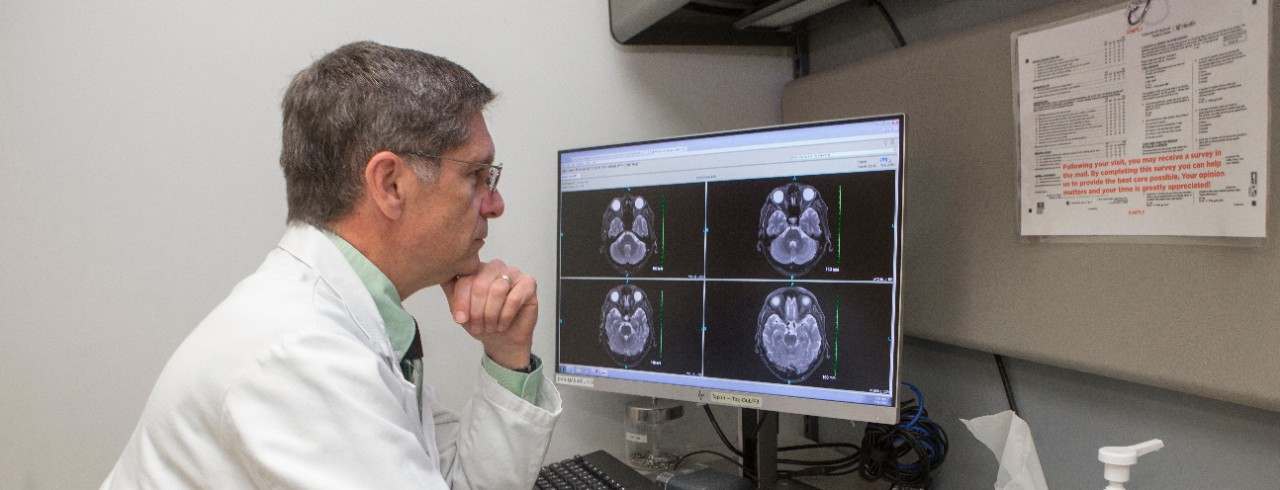
Featured photo at top of Dr. Broderick. Photo/Joseph Fuqua II/University of Cincinnati
Related Stories
Three years, countless stories
May 15, 2026
UC's Klekamp Law celebrates its 193rd Hooding with stories from graduates reflecting on their paths through the college.
Driven by curiosity, guided by care
May 14, 2026
Max Wilson, a University of Cincinnati College of Allied Health Sciences health sciences major on the pre-physician assistant track, found his path expanding beyond the classroom and into hands-on research focused on human performance and patient care.
New cohort of nursing students get ready to join co-ops
May 14, 2026
A new chapter is beginning for more than 100 University of Cincinnati College of Nursing rising seniors as they embark on one of the most distinctive experiences in undergraduate nursing education: the UC Nursing Co-op Program. The incoming cohort will fan out across Cincinnati's premier healthcare institutions, stepping into some of the most dynamic and specialized clinical environments in the region. Placement sites include UC Medical Center (UCMC), West Chester Hospital, Cincinnati Children's Hospital Medical Center (CCHMC) Burnet, College Hill, and Liberty campus.