
This UC nursing student is out for blood donation equality
Cole Williams' Pride and Plasma group advocates for new blood and tissue donation guidelines
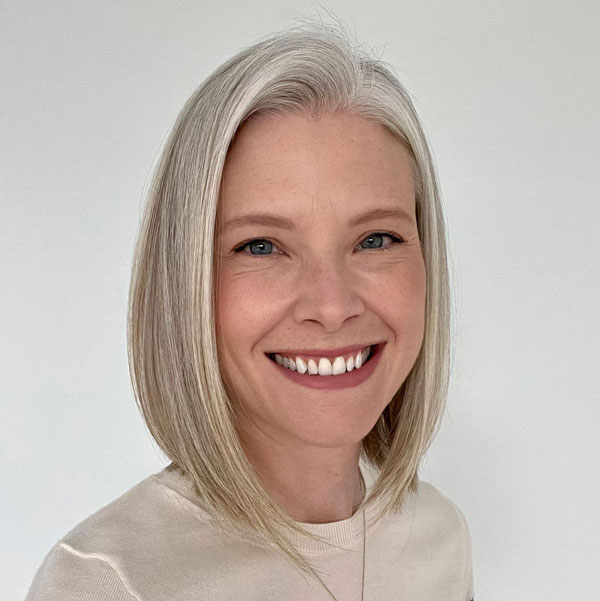

University of Cincinnati student Cole Williams fully embraces the advocacy side of the nursing profession.
The fourth-year nursing major and political science minor has spearheaded on-campus programs that promote wellness, safety and equality. Now, he’s working on a nationwide issue that combines all of those — pushing the federal government to update its guidelines on blood and tissue donations.
In May 2022, Williams co-founded Pride and Plasma, an advocacy group focused on restrictions that exclude most gay and bisexual men from donating blood and tissue. The group was catapulted into the spotlight earlier this year when the U.S. Food and Drug Administration proposed new blood donation guidelines.
Someone needed to put pressure on the FDA to do something.
Cole Williams UC nursing and political science student
For decades, gay and bisexual men were prohibited from donating, until 2015 when the FDA relaxed its guidelines to allow donations from men who had not had sex with other men for the previous year. The period was reduced to three months in 2020 amidst a critical blood shortage caused by the COVID-19 pandemic.
The guidelines are meant to ensure blood is safe for transfusions, but LGBTQ advocates, including Pride and Plasma, say the current guidelines are unscientific and discriminatory.
“Someone needed to put pressure on the FDA to do something. Members of Congress, professional associations, advocacy groups … they would all publish a press release or send a letter to the FDA, but not much more than that,” Williams says. “We needed to try something different.”
Williams, who interned with a U.S. House Representative and nurse, applied his knowledge of health care and government interworkings to create Pride and Plasma’s gameplan. He and other members, which include fourth-year UC nursing and pre-medicine student, Skylar Harris, reached out to 70 blood centers across the country to collect testimony on how they have been impacted by the blood shortage.
“We could go to the FDA and say these blood centers are hurting. … Why aren’t you doing anything to help patients, providers and facilities?”
Alongside a website with resources and a petition for the public to support the cause, Pride and Plasma drafted a 34-page written argument for the FDA. Williams was given five minutes to present during a virtual meeting of the agency’s Blood Products Advisory Committee, convened in December for the first time in 13 months.
“I was talking a mile a minute to get everything through,” Williams says.
About a month later, the FDA announced proposed guidelines that use gender-inclusive, individual risk-based questions to assess donor eligibility and reduce the risk of HIV transmission through transfusion. The recommendations permit donations from anyone who does not report having new or multiple partners along with engaging in anal sex the previous three months. The proposal is up for public comment through March 31. Afterward, the FDA will review and consider comments before it finalizes and implements the guidelines.
You usually don't get these kinds of results so quickly. ... It feels really amazing.
Skylar Harris UC nursing and pre-med student
Williams says this represents a step forward not only for gay and bisexual men, but also for transgender and nonbinary persons.
“No one is really talking about that, but this is a really big win for that community,” he says. Without language specific to men, the guidelines would allow transgender women and non-binary individuals who were assigned male at birth to donate.
Since his presentation in December, Williams has been interviewed by national news organizations, including the Washington Post, CBS News, PBS Newshour and Insider. He says he did not expect to see this kind of progress in eight-months’ time, but feels it lends Pride and Plasma some credibility.
Harris, who took on Midwest outreach efforts for Pride and Plasma, says it feels surreal.
“You usually don’t get these kinds of results so quickly. I think it’s a combination of the people who have worked before us, some of Pride and Plasma’s work and the research that’s out there — it all just came together at the perfect time,” Harris says. “It feels really amazing.”
The group now plans to shift its focus to federal tissue donation guidelines, which do not allow donations from men who have had sex with other men within the previous five years.
“That is mind-boggling, but people just aren’t aware of that, so that’s something we’re really working on,” Williams says.
More Information
UC College of Nursing develops nurse leaders who are empowered to generate, explore and apply nursing knowledge to evolving health care environments.
Learn more about our direct-admission Bachelor of Science in Nursing program.
Related Stories
Simple ways to find a deeper sense of happiness and well being
October 8, 2026

UC assistant professor Suzie White, featured in an AARP story on practical ways to live a happier, healthier life, shared research-backed strategies for increasing well-being through gratitude and service to others. White teaches Happiness in Action, a course that helps students apply the science of happiness in everyday life.
New vending machine helps people with addiction
October 8, 2026

The University of Cincinnati's Daniel Arendt was featured in a Spectrum News report on a new harm reduction vending machine installed at the IPM Food Pantry in partnership with the Hamilton County Mental Health and Recovery Services Board.
UC study correlates increased physical activity with slower Parkinson’s progression
October 7, 2026
Higher levels of physical activity were associated with slower declines in thinking and memory as well as slower worsening of movement symptoms for people with Parkinson’s disease, according to a new study led by University of Cincinnati researchers published Oct. 7, 2026, in Neurology.