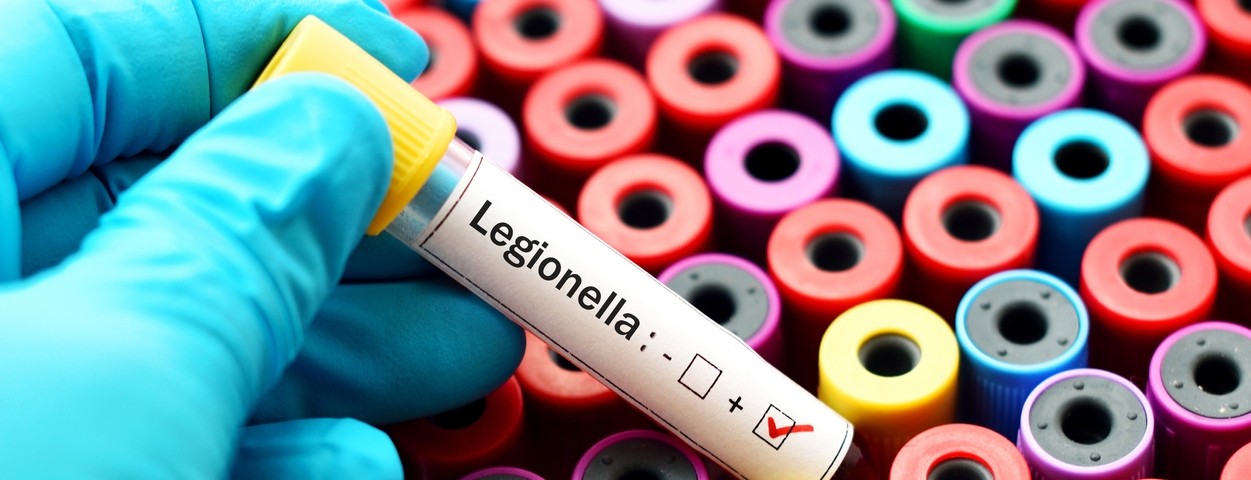
Enquirer: Legionella sprouts in water more than numbers show

After three cases of Legionella were reported at a Cincinnati-area hospital, Carl Fichtenbaum, MD, of the Division of Infectious Diseases at the University of Cincinnati College of Medicine, provided his expertise on the bacteria to the Cincinnati Enquirer.
Patients infected with Legionella bacteria can develop Legionnaires' disease, a pneumonia. Fichtenbaum said Legionella is more common in water systems across the U.S. than you may think.
According to Fichtenbaum, hospitals are often more susceptible to the bacteria due to the many ways water is used at hospitals.
"In factories and other office buildings, people use water to wash their hands, they use water in the toilets, and then maybe they drink some tap water. (Hospitals) need water for a lot of things." Fichtenbaum told the Enquirer. "We need water for ice machines, we need water that goes through ventilator systems, there's water used in operating rooms.
"We're also cutting people open, and people are sick and breathing things in," he continued. "It's a much more complicated environment."
Read the Enquirer story. (Note: Subscription or login may be required to view story.)
Featured photo at top courtesy of iStock.
Related Stories
UC hematology researcher to study bone complications in sickle cell disease
September 25, 2026
University of Cincinnati hematology researcher Jahnavi Gollamudi, MD, has received new grant funding to study how inflammation predicts bone complications in people with sickle cell disease, offering new hope for treatment.
UC Clermont Calico Children's Theatre announces 2026 season
September 24, 2026
Calico Children’s Theatre at the University of Cincinnati Clermont College has announced its slate of performances for the 2026 season.