
NPR: What would happen if student loans were forgiven?
UC economist joins NPR's Marketplace to discuss student loan forgiveness

NPR's Marketplace wanted to know what would happen if some or all student loans were forgiven and turned to experts, including University of Cincinnati economist Michael Jones.
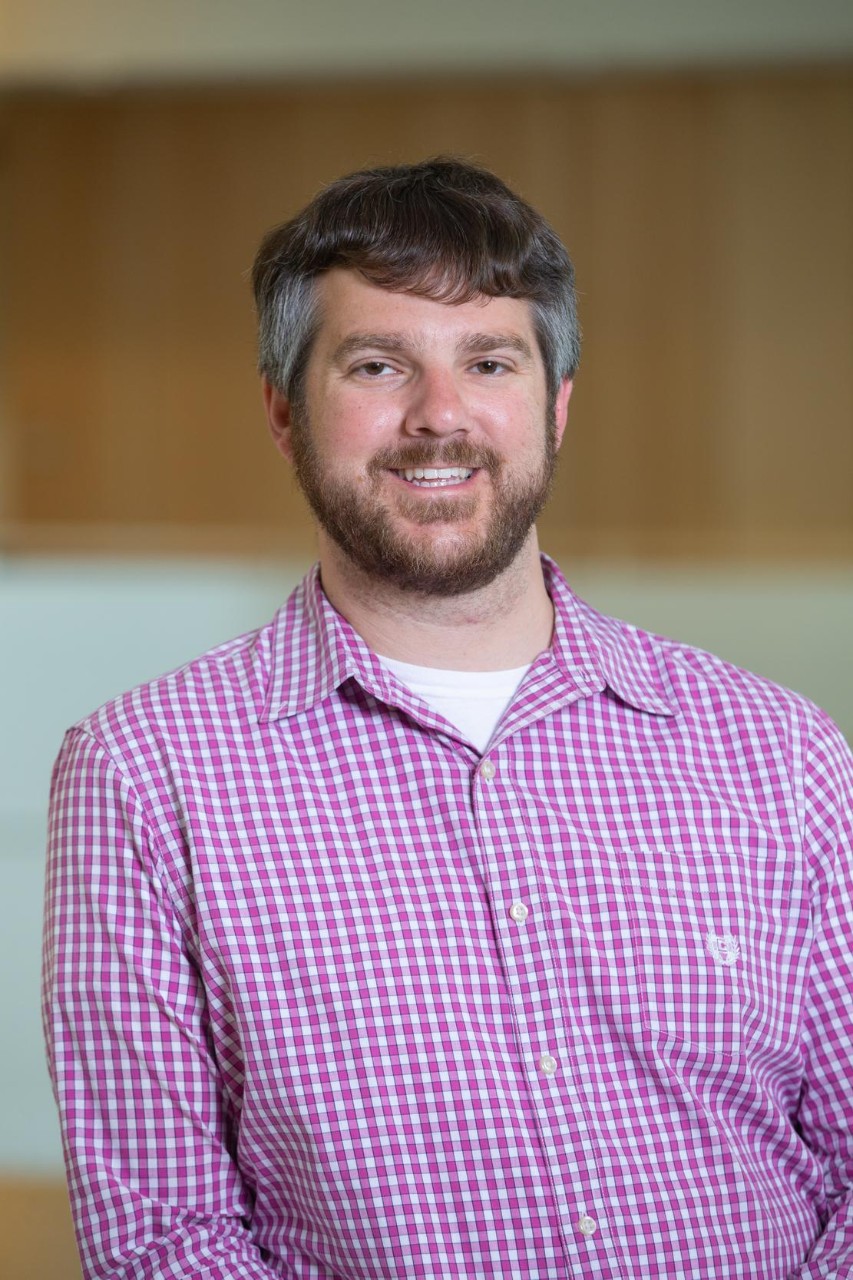
Michael Jones, PhD, associate economics professor-educator and Kautz-Uible Economics Institute Academic Director.
Jones, PhD, the Kautz-Uible Professor of Economics at UC’s Carl H. Lindner College of Business, said the pause on student loan payments in the early days of the COVID-19 pandemic was a relief for millions of people. Now that unemployment has decreased and the economy has strengthened, Jones said, the justification for the pause isn't as strong.
If President Joe Biden's plan to cancel $10,000 to $20,000 of debt for some borrowers was enacted, Jones said, economists worry it could add to inflation.
Another concern of forgiving student debt is “moral hazard,” the idea that students might make riskier choices if they think their debt will end up being forgiven, Jones said.
Featured image at top: Interior of UC's Carl H. Lindner College of Business. Photos/Andrew Higley/UC Marketing + Brand
Impact Lives Here
The University of Cincinnati is leading public urban universities into a new era of innovation and impact. Our faculty, staff and students are saving lives, changing outcomes and bending the future in our city's direction. Next Lives Here.
Related Stories
How can Cincinnati provide more affordable housing? This new lab aims to find out
October 16, 2026

The University of Cincinnati Real Estate Center helped launch a new regional research and development initiative designed to identify, test and scale solutions to the region’s housing challenges called the Housing Innovation Lab. The project is built around a simple idea: What if communities approached housing challenges the way leading companies approach innovation?
Collaboration over consultation
October 16, 2026
New University of Cincinnati research published in the journal Health Expectations found stroke survivors participating in rehab research desire an approach that prioritizes shared decision-making, peer relationships and a focus on what they can accomplish rather than their deficits.
Cincinnati Spotlight features CCM's new Conservatory Series concerts
October 15, 2026

Cincinnati Public Radio features CCM's new Conservatory Series in its latest "Cincinnati Spotlight." The series launches on Wednesday, Oct. 21 with its inaugural "Grand Tradition" concert featuring a variety of CCM's distinguished faculty artists.