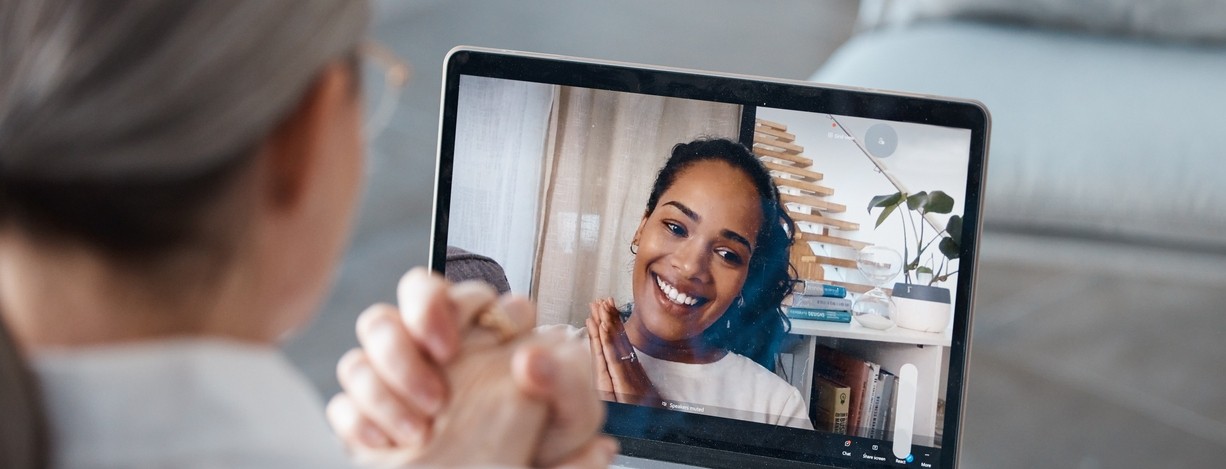
HealthTech: Benefits, privacy and pitfalls of telemental health

Telemental health services quickly expanded at the height of the COVID-19 pandemic, and the majority of patients say they prefer telehealth appointments for regular mental health visits.
The University of Cincinnati's Kate Chard, PhD, professor of psychiatry and behavioral neuroscience, told HealthTech that patients and providers alike enjoy the flexibility and time savings associated with telemental health services.
“Technology helps us see patients more often,” Chard said. "We’ve also found that PTSD patients are less likely to drop out of therapy when we use teletherapy. One of the biggest benefits of telehealth for me is it increases the likelihood that the patient will show up for the appointment.”
Featured photo at top of telemental health appointment courtesy of iStock.
Related Stories
These teeny spiders are social media stars
August 28, 2026

The New York Times turned to a University of Cincinnati professor to explain the appeal of jumping spiders on social media.
An internal divide among unions on AI impacts the Wisconsin gubernatorial race
August 28, 2026

Anne Lofaso, a professor in the Donald P. Klekamp College of Law at UC, spoke with Wisconsin Public Radio, about the schism among unions over AI and whether it is a plus, a negative, or somewhere in between when looking at job creation.
On-site training in Speech & Hearing Clinic sets UC’s programs apart
August 27, 2026
At the University of Cincinnati’s Speech & Hearing Clinic, Doctor of Audiology and Speech-Language Pathology graduate students gain real-world experience while providing free speech and hearing services to the community.